
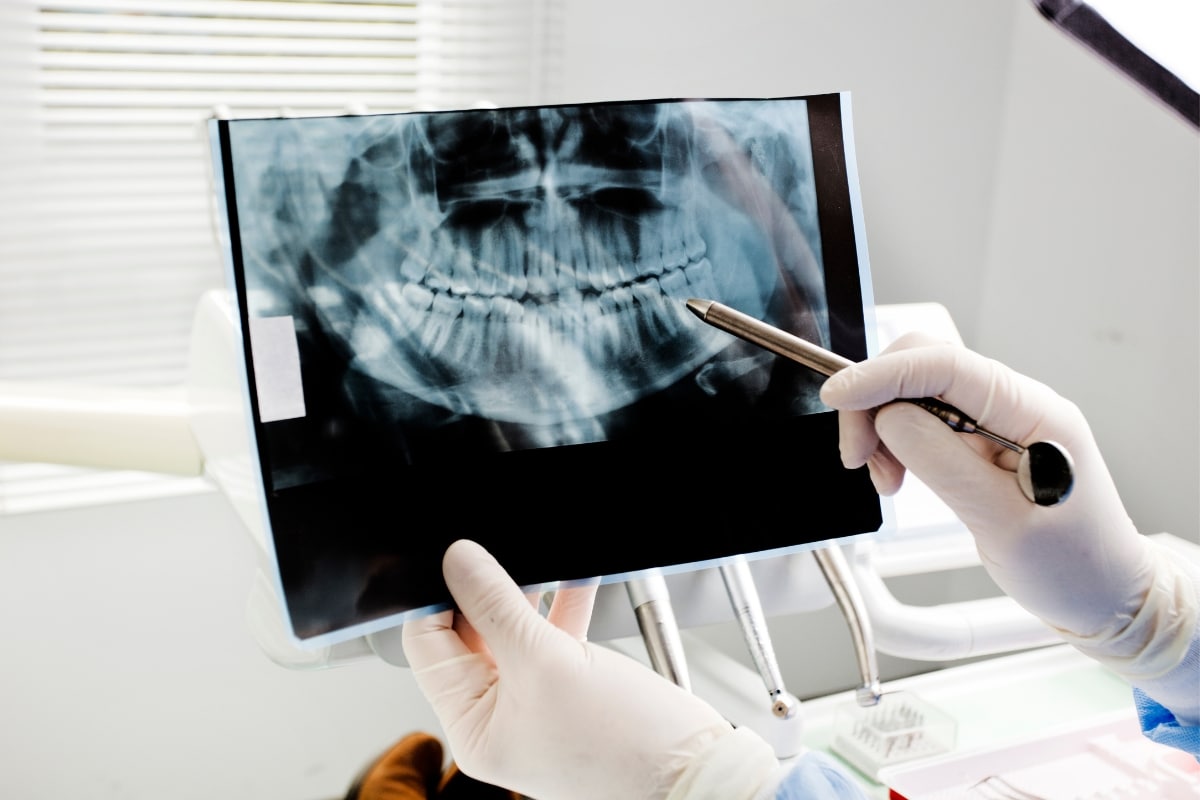
When it comes to protecting your oral health, prevention and early detection are key. General dentistry plays a vital role in keeping your teeth, gums, and jaw healthy—and at the heart of it lies X-rays and diagnostic tools. These essential techniques allow dentists to see beyond what the naked eye can detect, uncovering hidden problems before they turn into painful or costly issues. Understanding how X-rays and diagnostics work can help you feel more confident and informed during your dental visits.
Why X-rays Are Essential in General Dentistry
Your dentist can spot many oral health problems through a visual exam, but some conditions hide beneath the surface. X-rays, also known as radiographs, use low levels of radiation to capture images of the inside of your teeth, jawbone, and surrounding tissues. These images help your dentist identify:
-
Cavities between teeth or under existing fillings
-
Bone loss caused by gum disease
-
Infections or abscesses at the tooth root
-
Impacted teeth, such as wisdom teeth
-
Developmental abnormalities in children and teens
Without X-rays, these issues could go unnoticed until they cause significant damage. By catching them early, your dentist can recommend treatment that is less invasive, less expensive, and more effective.
Types of Dental X-rays and Their Uses
Not all dental X-rays are the same. Depending on your needs, your dentist may recommend one or more of the following:
-
Bitewing X-rays – Show the upper and lower back teeth in one view, ideal for spotting cavities between teeth.
-
Periapical X-rays – Focus on one or two teeth from root to crown, useful for detecting abscesses or root issues.
-
Panoramic X-rays – Capture the entire mouth in a single image, helpful for assessing jaw health, wisdom teeth, and sinus structures.
-
Occlusal X-rays – Show the floor or roof of the mouth, often used to track tooth development in children.
Each type provides unique insights, allowing your dentist to tailor treatments to your specific needs.
Safety and Accuracy of Modern Dental X-rays
Many patients are concerned about radiation exposure during dental X-rays. The truth is, modern dental radiography uses extremely low doses of radiation—often less than what you’re exposed to during a short flight. Digital X-rays, now widely used, further reduce exposure while producing clearer, more detailed images.
Your dentist will only recommend X-rays when necessary and will use protective measures like lead aprons and thyroid collars to ensure your safety. This careful approach ensures you get the diagnostic benefits without unnecessary risk.
Beyond X-rays: Advanced Diagnostic Tools in Dentistry
While X-rays are powerful, they’re just one part of the diagnostic process. Today’s dental offices use a variety of advanced tools to assess your oral health, including:
-
Intraoral cameras – Provide high-resolution images of your teeth and gums, helping you see exactly what your dentist sees.
-
Digital scanners – Capture precise 3D images for creating crowns, bridges, and other restorations.
-
Laser cavity detection – Identifies early decay that may not yet be visible on X-rays.
These tools work together with traditional exams to give your dentist a complete picture of your oral health.
The Role of Diagnostics in Preventive Care
Diagnostics aren’t just for finding problems—they’re also crucial for preventing them. Routine checkups with X-rays and thorough exams allow your dentist to track changes in your teeth and gums over time. This helps them identify trends, such as enamel wear or bone loss, and recommend preventive steps before a condition worsens.
Preventive care guided by accurate diagnostics can help you avoid painful dental emergencies, costly treatments, and long-term damage. It’s one of the reasons regular dental visits are so important, even if your teeth feel fine.
From Diagnosis to Treatment: The Complete Process
Once your dentist gathers diagnostic information, they’ll review the findings with you in detail. You’ll see the X-ray images, photographs, or scan results, and your dentist will explain any concerns. This collaborative approach helps you understand your oral health and make informed decisions about treatment options—whether it’s a simple filling, gum therapy, orthodontics, or restorative procedures.
When diagnostics are combined with a personalized treatment plan, you can expect more precise care, faster healing, and better long-term results.
Your oral health deserves expert attention and advanced diagnostic care. At our dental office, we combine modern technology with compassionate service to help you achieve a healthy, confident smile. Whether you need routine X-rays, a comprehensive exam, or preventive care, we’re here to provide the highest standard of treatment. Visit us at 35 West Combs Road, Suite 102, Queen Creek, AZ 85140 to experience the difference advanced diagnostics can make for your dental health. Book an appointment now and take the first step toward a lifetime of healthy smiles.
