
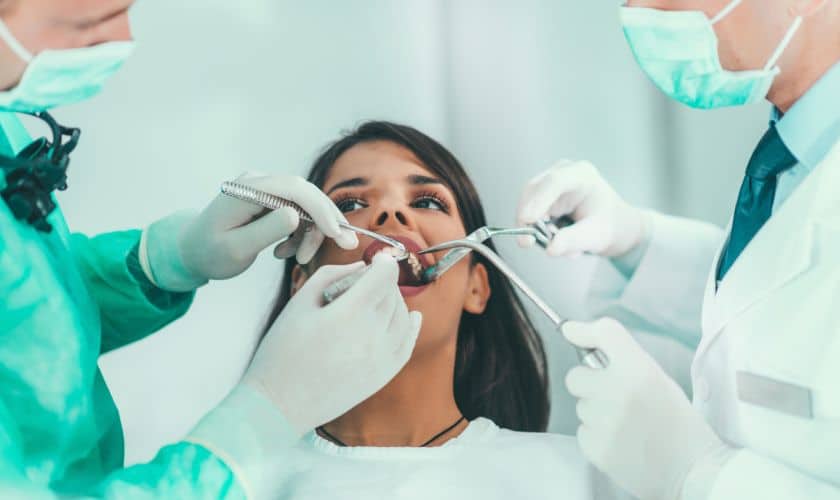
Welcome to our blog! Dental emergencies can be scary and stressful, but knowing when a broken tooth requires immediate attention is crucial for your oral health. Whether you’ve had a sudden accident or have been dealing with an ongoing issue, understanding the signs and symptoms of a dental emergency can help you take prompt action to prevent further damage. In this article, we will explore what qualifies as a dental emergency when it comes to broken teeth and provide tips on how to handle these situations effectively. So let’s dive in and learn more about general dentistry emergencies together!
Types of Dental Emergencies
Accidents happen, and sometimes they can result in dental emergencies. Understanding the different types of dental emergencies can help you determine when immediate care is needed.
One common type of dental emergency is a knocked-out tooth. This typically occurs due to a sports injury or a fall. If this happens, it’s important to seek immediate dental attention as there is a small window of time for successful re-implantation.
Another type of dental emergency is severe tooth pain. This could be caused by an infection or abscess that requires prompt treatment to alleviate the pain and prevent further complications.
A broken tooth is also considered a dental emergency if it causes significant pain or exposes nerve endings. In some cases, the broken tooth may require immediate extraction or repair depending on the severity.
Other potential types of dental emergencies include loose or dislodged teeth, cracked fillings or crowns, and injuries to soft tissues such as lacerations on the lips, gums, or tongue.
Regardless of the type of dental emergency you experience, it’s crucial to contact your dentist right away for guidance on how to proceed. Remember that early intervention can often lead to better outcomes and minimize long-term damage.
By being aware of these various types of dental emergencies and seeking timely treatment when necessary, you can protect your oral health and ensure prompt relief from any discomfort or pain that arises from such situations.
What is a Broken Tooth?
A broken tooth is a dental condition that occurs when the structure of a tooth becomes fractured or severely damaged. It can range from minor chips to more extensive cracks or fractures. When a tooth breaks, it not only affects its appearance but also its functionality and overall oral health.
There are different types of broken teeth, including enamel fractures, dentin fractures, and root fractures. Enamel fractures are the most common type and usually involve only the outer layer of the tooth. Dentin fractures go deeper into the tooth structure, while root fractures occur in the roots below the gumline.
Symptoms of a broken tooth can vary depending on the severity of the breakage. Some people may experience sharp pain when biting or chewing, sensitivity to hot or cold temperatures, swelling around the affected area, or even bleeding if there is an exposed nerve.
Several factors can contribute to a broken tooth, such as trauma from accidents or injuries, biting down on hard objects like ice or candies, grinding or clenching teeth (bruxism), weakened teeth due to decay or previous dental work, and age-related wear and tear.
If you suspect you have a broken tooth, it’s essential to seek immediate dental care for evaluation and treatment. Even if there is no pain initially after breaking your tooth, it’s crucial not to ignore it as untreated dental issues can lead to further complications down the line.
In some cases where there is severe pain accompanied by bleeding from an exposed nerve or significant damage to surrounding tissues like gums and cheeks, it constitutes a dental emergency that requires urgent attention from a dentist. Remember, when it comes to your oral health, prevention is better
A broken tooth can cause various symptoms, which can vary depending on the severity of the break. One common symptom is pain or sensitivity when biting down or chewing. You may also experience sharp pain when your tongue touches the broken area.
Another symptom to watch out for is tooth sensitivity to hot or cold temperatures. If you feel a sudden jolt of pain or discomfort when consuming hot soup or ice cream, it could be a sign that your tooth is fractured.
Swelling and inflammation around the affected tooth are also possible symptoms of a break. This can occur if there is an infection present, which requires immediate dental attention.
In some cases, you may notice rough edges where the tooth has broken off. This can lead to irritation and soreness in your mouth, making it difficult to eat comfortably.
If you experience any of these symptoms, it’s important not to ignore them. Seeking prompt dental care can help prevent further damage and potential complications associated with a broken tooth.
Remember, early intervention plays a crucial role in preserving both your oral health and overall well-being. So don’t hesitate to reach out to your general dentistry provider if you suspect you have a broken tooth!
Common Causes of a Broken Tooth
Accidents happen when we least expect them, and unfortunately, our teeth can sometimes bear the brunt of these mishaps. There are several common causes for a broken tooth that you should be aware of to help protect your dental health.
One major culprit is biting down on something hard or unexpected. Whether it’s chewing ice, crunching on popcorn kernels, or accidentally biting into a bone while eating, these actions can put excessive pressure on your teeth and potentially lead to fractures.
Another common cause is trauma from accidents or injuries. Falls, sports-related impacts, car collisions – all of these incidents can result in chipped or broken teeth. Even simple slips and trips can have dire consequences for your smile.
Additionally, poor oral hygiene habits such as neglecting regular brushing and flossing can weaken tooth enamel over time. Weakened enamel makes teeth more susceptible to breaking with minimal force exertion.
Bruxism (teeth grinding) is another leading cause of broken teeth. This habit often occurs during sleep and puts significant pressure on the teeth over time. The constant grinding wears down the enamel until cracks form.
Old fillings or dental restorations may become weakened or worn out over time, leaving your natural tooth structure vulnerable to breakage.
By understanding the common causes of broken teeth, you can take steps to prevent potential emergencies and protect your oral health in the long run. Stay tuned for our next blog section about when it’s necessary to seek immediate dental care!
When to Seek Immediate Dental Care for a Broken Tooth
When a tooth is broken, it can cause significant pain and discomfort. While some broken teeth may not require immediate dental care, there are certain situations where seeking immediate treatment is necessary.
One instance where immediate dental care is needed for a broken tooth is if the nerve inside the tooth becomes exposed or damaged. This can happen when a large piece of the tooth breaks off or if there is a deep crack in the tooth. An exposed nerve can be incredibly painful and may even lead to infection.
Another reason to seek immediate dental care for a broken tooth is if there is severe bleeding associated with the injury. If you notice excessive bleeding from your mouth after breaking a tooth, it’s important to see your dentist as soon as possible.
Additionally, if you experience any signs of infection such as swelling around the affected area or fever, it’s crucial to seek immediate dental attention. Infections can spread quickly and have serious consequences if left untreated.
While not all cases of broken teeth require emergency dental care, there are certain situations where seeking immediate treatment is essential. If you have an exposed nerve, severe bleeding, or signs of infection related to a broken tooth, don’t hesitate to contact your dentist right away for proper evaluation and treatment.
Preventing Future Dental Emergencies
Preventing future dental emergencies is crucial to maintaining optimal oral health. By taking a proactive approach and following good dental hygiene practices, you can significantly reduce the risk of experiencing any tooth-related emergencies.
One of the most important steps in preventing dental emergencies is practicing regular oral hygiene habits. This includes brushing your teeth twice a day with fluoride toothpaste and flossing daily to remove plaque and food particles that can lead to decay or gum disease.
Visiting your dentist regularly for check-ups and cleanings is also essential in preventing future dental emergencies. These routine appointments allow your dentist to identify any potential issues early on, such as weak areas in the enamel or signs of gum disease, so they can be addressed before they become major problems.
Another aspect of preventing dental emergencies is being mindful of what you eat and drink. Avoid chewing on hard objects like ice or using your teeth as tools to open packages, as this can result in fractures or chips. Limiting sugary foods and drinks can also help prevent cavities which could ultimately lead to more serious dental issues.
Wearing protective gear during sports or activities that pose a risk of facial injuries is another effective way to prevent dental emergencies. A well-fitted mouthguard can provide an extra layer of protection against impact-related injuries that may cause broken teeth.
In addition, if you have any existing dental restorations such as crowns or fillings, it’s important to take care of them properly by avoiding biting down on hard foods or engaging in habits like nail-biting which could damage them.
Taking preventative measures such as maintaining good oral hygiene habits, attending regular check-ups with your dentist, being cautious about what you eat and drink, wearing protective gear when needed, and caring for existing restorations are all key components in avoiding future dental emergencies. By prioritizing these practices, you are investing in the long-term health of your smile!
A broken tooth can be a dental emergency depending on the severity of the situation. It is important to recognize the signs and symptoms of a broken tooth and seek immediate dental care when necessary.
Remember, not all cases of broken teeth require urgent attention. Minor chips or cracks may only need cosmetic treatment or monitoring by your dentist. However, if you experience severe pain, bleeding, exposed nerves, or difficulty eating or speaking due to a broken tooth, it is crucial to seek prompt professional help.
By practicing good oral hygiene habits and avoiding certain activities that can increase the risk of breaking a tooth, such as chewing hard objects or using your teeth as tools, you can take steps towards preventing future dental emergencies.
Regular visits to your general dentistry office for check-ups and cleanings are also essential in maintaining optimal oral health and catching any potential issues before they escalate into emergencies.
If you find yourself with a broken tooth or suspect any other dental emergency, don’t hesitate to contact your dentist immediately. They will be able to provide the appropriate care needed to restore your smile and alleviate any discomfort you may be experiencing.
Remember that prevention is always better than cure when it comes to dental emergencies. Take care of your teeth properly and address any concerns promptly so that you can enjoy a healthy smile for years to come!
(Note: While this article provides general information about recognizing dental emergencies related specifically to broken teeth, always consult with a qualified dentist for personalized advice.)
