
Root canal treatment often evokes fear and anxiety, largely due to misconceptions and myths surrounding the procedure. However, it is a highly effective and relatively painless way to save a tooth that would otherwise need to be extracted. In this blog, we will uncover the truth about root canal treatment, address common myths, explain the procedure, and highlight the benefits.
Understanding Root Canal Treatment
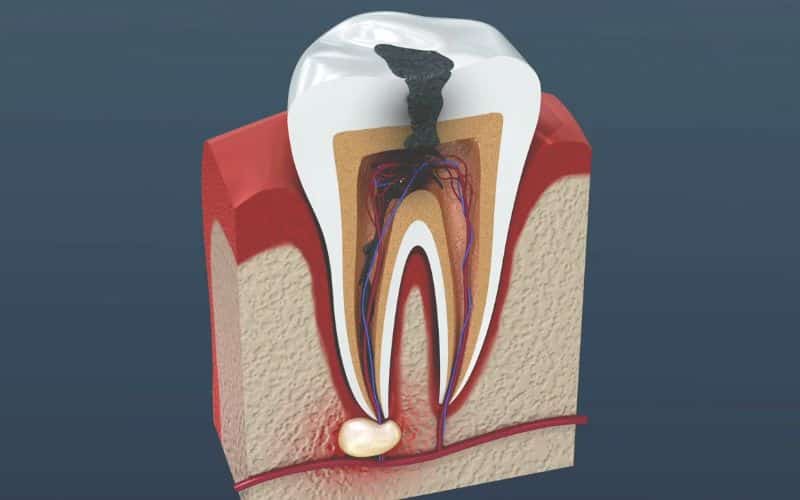
Root canal treatment, also known as endodontic therapy, is a dental procedure designed to treat infection or damage within the tooth’s pulp. The pulp contains nerves, blood vessels, and connective tissue. When it becomes infected or inflamed due to deep decay, repeated dental procedures, or trauma, a root canal treatment is necessary to save the tooth.
Common Myths About Root Canal Treatment
Myth 1: Root Canals Are Extremely Painful
One of the most pervasive myths is that root canal treatments are incredibly painful. In reality, advances in dental technology and anesthesia have made the procedure no more uncomfortable than getting a filling. Most patients report feeling only mild discomfort during the procedure and relief from the pain caused by the infected tooth afterward.
Myth 2: It’s Better to Extract the Tooth
Some people believe that extracting a problematic tooth is a better option than undergoing a root canal. However, preserving your natural tooth is always preferable. Extracting a tooth can lead to additional dental problems, such as shifting teeth, bite issues, and the need for more extensive dental work like implants or bridges.
Myth 3: Root Canals Cause Illness
There is a persistent myth that root canal treatments can cause illness or disease in other parts of the body. This myth originated from outdated research in the early 20th century and has been thoroughly debunked by modern science. Root canal treatments are safe and effective, with no evidence linking them to systemic diseases.
The Root Canal Procedure: Step-by-Step
Understanding what happens during a root canal can help alleviate anxiety and provide clarity about the process.
- Diagnosis and Consultation: Your dentist will take X-rays and examine the tooth to determine the extent of the infection or damage. If a root canal is necessary, they will explain the procedure and answer any questions you may have.
- Anesthesia: Local anesthesia is administered to numb the tooth and surrounding area, ensuring a pain-free experience during the procedure.
- Accessing the Pulp: The dentist creates a small opening in the crown of the tooth to access the pulp chamber and root canals.
- Removing Infected Tissue: Using specialized instruments, the dentist removes the infected or damaged pulp from the pulp chamber and root canals.
- Cleaning and Shaping: The empty pulp chamber and root canals are cleaned, disinfected, and shaped to prepare for filling.
- Filling the Canals: The cleaned canals are filled with a biocompatible material called gutta-percha, which seals the space and prevents further infection.
- Sealing the Tooth: The opening in the crown is sealed with a temporary filling. In some cases, a permanent filling or crown is placed immediately.
- Restoration: In a subsequent visit, if necessary, a permanent crown or filling is placed to restore the tooth’s function and appearance.
Benefits of Root Canal Treatment
Root canal treatment offers several significant benefits:
- Pain Relief: Eliminating the infection and inflammation within the tooth alleviates the pain associated with an infected or damaged pulp.
- Preservation of Natural Teeth: Saving your natural tooth maintains your bite alignment and prevents the need for more extensive dental work.
- Efficient and Cost-Effective: Root canal treatment is often more cost-effective and less time-consuming than extracting the tooth and replacing it with an implant or bridge.
- Enhanced Oral Health: Treating the infection prevents it from spreading to adjacent teeth or other parts of the body.
Post-Treatment Care
After a root canal treatment, proper care is essential to ensure the tooth heals correctly and remains healthy:
- Maintain Good Oral Hygiene: Brush and floss regularly to prevent future infections.
- Avoid Hard Foods: Until the tooth is fully restored, avoid chewing on hard foods that could damage it.
- Follow-Up Visits: Attend follow-up appointments to monitor the healing process and complete the restoration if needed.
- Monitor for Symptoms: Contact your dentist if you experience persistent pain, swelling, or other unusual symptoms.
Conclusion
Root canal treatment is a safe, effective, and often painless procedure that can save your natural tooth and prevent further dental problems. By dispelling common myths and understanding the steps involved, you can approach root canal treatment with confidence and ease. If you have concerns about your dental health or think you might need a root canal, consult with a qualified dentist who can provide personalized care and guidance. Your smile and overall well-being are worth it.
