
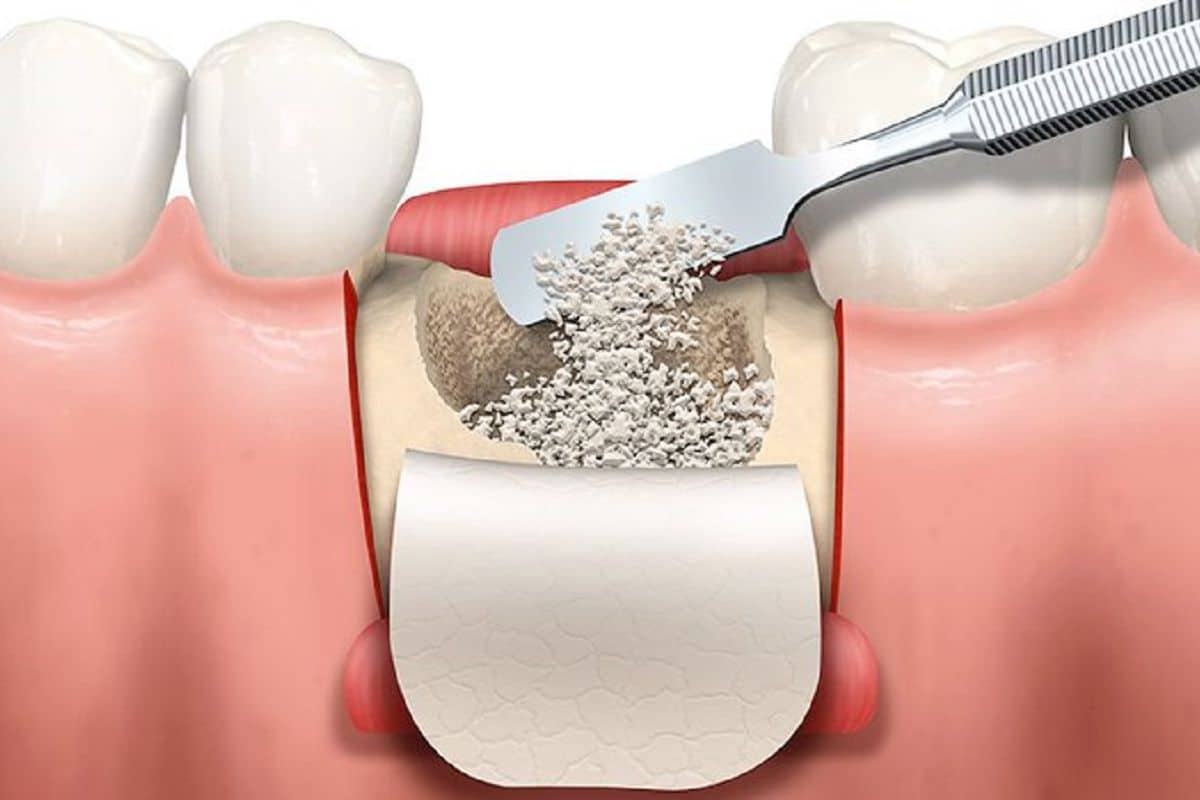
Bone grafting is an essential procedure in modern dentistry, particularly for patients needing dental implants or jawbone restoration. Despite its importance, many myths and misconceptions surround the process, causing unnecessary fear and hesitation. This blog will debunk some of the most common myths about bone grafting and provide accurate information to help patients make informed decisions about their oral health.
Myth 1: Bone Grafting Is Only for Dental Implants
Reality: While bone grafting is often associated with dental implants, it serves many other purposes. It is used to restore jawbone loss due to periodontal disease, trauma, or congenital defects. Bone grafting also helps improve facial structure and support overall oral health.
Myth 2: Bone Grafting Is a Painful and Complicated Procedure
Reality: Many patients assume that bone grafting is an extremely painful and invasive process. In reality, modern techniques and anesthesia make the procedure relatively comfortable. Most patients experience only mild discomfort, which can be managed with prescribed or over-the-counter pain relievers.
Myth 3: Bone Grafting Has a High Failure Rate
Reality: When performed by a skilled dental professional, bone grafting has a high success rate. Factors such as proper post-surgical care, avoiding smoking, and following the dentist’s instructions play a crucial role in ensuring successful integration of the graft.
Myth 4: Bone Grafting Requires a Large Bone Harvest from the Patient’s Body
Reality: While autografts (using the patient’s own bone) are one option, they are not the only choice. Many patients receive allografts (donor bone), xenografts (animal-derived bone), or alloplasts (synthetic materials), which are effective alternatives that eliminate the need for a second surgical site.
Myth 5: The Recovery Process Is Extremely Long and Difficult
Reality: Healing times vary depending on the type of graft and the patient’s overall health, but most patients recover within a few months. During this period, the bone integrates naturally, and dentists provide clear guidelines to ensure a smooth healing process.
Myth 6: Older Patients Cannot Get Bone Grafts
Reality: Age alone does not disqualify a patient from receiving a bone graft. As long as an individual is in good overall health, bone grafting can be successfully performed on older adults to restore lost bone and support dental implants.
Myth 7: Bone Grafting Materials Are Unsafe
Reality: Bone grafting materials go through strict sterilization and testing processes to ensure safety and effectiveness. Whether using the patient’s bone, donor bone, or synthetic grafts, all materials are carefully selected to promote bone regeneration without causing harm.
Myth 8: Bone Grafting Is Only Necessary If You Have Severe Bone Loss
Reality: Even mild to moderate bone loss can impact dental treatments like implants or dentures. Early intervention with bone grafting can prevent further deterioration and provide a stable foundation for future dental work.
Bone grafting is a safe, effective, and widely used procedure in dentistry, but misinformation can cause unnecessary fear. By understanding the realities behind these common myths, patients can confidently explore their treatment options and achieve better oral health. If you’re considering bone grafting, consult with a dental professional to get accurate information tailored to your specific needs.
