
Gum disease, also known as periodontal disease, is a progressive condition that affects the tissues and bone supporting your teeth. In its advanced stages, it can lead to significant bone loss in the jaw, resulting in tooth mobility, tooth loss, and changes in facial structure. Fortunately, modern dentistry offers a powerful solution: bone grafting. This restorative procedure can help repair jaw damage caused by gum disease, laying the foundation for a healthier, stronger smile.
In this blog, we’ll explore how gum disease causes jawbone loss, how bone grafting works, and why it’s a vital step in restoring both function and aesthetics to your mouth.
Understanding the Link Between Gum Disease and Jawbone Loss
Gum disease is caused by the buildup of plaque—a sticky film of bacteria—on the teeth and gumline. If not removed through proper oral hygiene, plaque hardens into tartar and causes the gums to become inflamed, leading to gingivitis, the earliest stage of periodontal disease. If left untreated, gingivitis can progress to periodontitis, which affects the deeper structures supporting the teeth.
How Periodontitis Affects the Jawbone:
-
The bacteria in plaque release toxins that irritate the gums.
-
Inflammation damages the soft tissue and destroys the ligaments that hold teeth in place.
-
Over time, the body begins to break down the bone that supports the teeth as a response to the ongoing infection.
As the bone deteriorates, teeth may become loose or fall out, and the overall structure of the jaw can weaken. The loss of bone volume also makes it difficult to place dental implants or other restorative appliances.
What Is Bone Grafting?
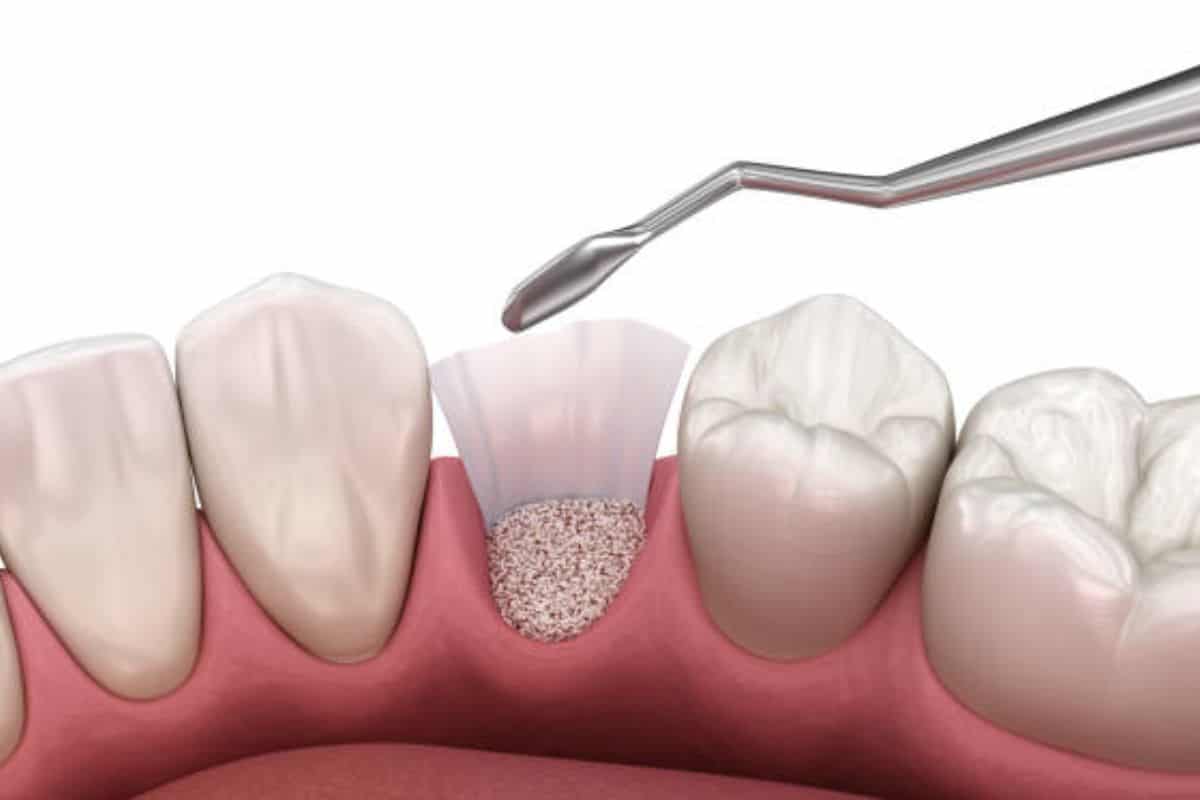
Bone grafting is a surgical procedure that adds or regenerates bone in areas where it has been lost. It’s commonly used in dental treatments to rebuild the jawbone so it can properly support teeth or dental implants.
The bone used in grafting may come from:
-
Autografts – your own bone, typically from the chin or hip
-
Allografts – donor bone from a human tissue bank
-
Xenografts – bone from animal sources, often bovine
-
Alloplasts – synthetic bone-like materials
Your dentist or oral surgeon will determine the best type of graft material based on your unique needs and the extent of your bone loss.
How Bone Grafting Repairs Gum Disease-Related Jaw Damage
When gum disease leads to bone loss, bone grafting helps regenerate the lost tissue by providing a scaffold for new bone cells to grow. The process not only improves jaw stability but also restores the foundation needed for future dental treatments.
Key Benefits of Bone Grafting:
-
Restores lost bone volume
-
Prevents further bone deterioration
-
Strengthens the jaw to support dental implants
-
Improves facial structure and appearance
-
Reduces the risk of further tooth loss
Grafting is often done in conjunction with periodontal therapy to stop the spread of infection and prepare the mouth for long-term restoration.
Types of Bone Grafts for Gum Disease Repair
There are several types of bone grafting procedures used to address bone loss caused by periodontal disease:
1. Socket Preservation
This graft is placed immediately after tooth extraction to prevent bone loss and maintain the structure of the socket.
2. Ridge Augmentation
Used when the alveolar ridge (jawbone ridge) has lost width or height due to long-term bone loss. This procedure rebuilds the jaw to support implants or dentures.
3. Sinus Lift
When bone loss occurs in the upper jaw near the molars and premolars, a sinus lift is performed to add bone to the sinus floor and support implants.
4. Periodontal Bone Grafting
This is performed specifically to regenerate bone lost due to gum disease. It may be combined with guided tissue regeneration techniques that use membranes to encourage bone growth.
The Bone Grafting Procedure: What to Expect
The bone grafting process typically involves the following steps:
-
Consultation and Imaging: Your dentist will evaluate your bone loss using X-rays or 3D imaging to determine the grafting needs.
-
Preparation and Anesthesia: The area will be numbed using local anesthesia. Sedation may be available for patients with anxiety.
-
Graft Placement: The dentist places the bone material in the area of bone loss and may use membranes or special proteins to promote healing.
-
Healing and Integration: The body gradually absorbs the graft and replaces it with new, healthy bone over the next 3–6 months.
After the graft has fully healed and integrated, further dental work—such as implant placement—can be safely performed.
Recovery and Aftercare
Recovery from bone grafting varies based on the size of the graft and the patient’s overall health, but most people can return to normal activities within a few days.
Post-Op Care Tips:
-
Take prescribed antibiotics or pain medication as directed
-
Avoid hard or crunchy foods during healing
-
Keep the area clean and avoid touching the graft site
-
Avoid smoking, as it impairs healing and increases infection risk
-
Attend follow-up visits to monitor healing progress
Good oral hygiene and regular dental checkups are essential to ensure long-term success and prevent future bone loss.
Who Needs Bone Grafting After Gum Disease?
You may be a candidate for bone grafting if you:
-
Have advanced gum disease with visible bone loss
-
Are missing teeth and want to restore jawbone strength
-
Plan to receive dental implants in the future
-
Have facial changes due to bone loss (sunken cheeks or jawline)
-
Are experiencing loose teeth or shifting bite patterns
Early intervention is key. The sooner jawbone damage is addressed, the better the outcome.
Long-Term Impact on Oral Health
Bone grafting is more than a cosmetic procedure—it restores function, supports future dental work, and prevents ongoing deterioration. Without bone regeneration, patients may continue to lose teeth or face difficulties with chewing, speaking, and facial aesthetics.
With advancements in dental technology, bone grafting has become a routine and highly successful procedure for reversing the effects of periodontal disease. When combined with ongoing gum care, it offers patients a second chance at a healthy, stable smile.
Restore Your Smile from the Foundation Up
Gum disease may silently damage the jawbone, but you don’t have to let it define your dental future. Bone grafting is a proven solution that rebuilds lost bone, restores function, and supports lasting oral health. If you’ve suffered from gum disease and are concerned about jawbone loss, early intervention is key to preventing further complications.
Take control of your oral health today. Book an appointment now to find out if bone grafting is right for you and begin your journey toward a stronger, healthier smile.
