
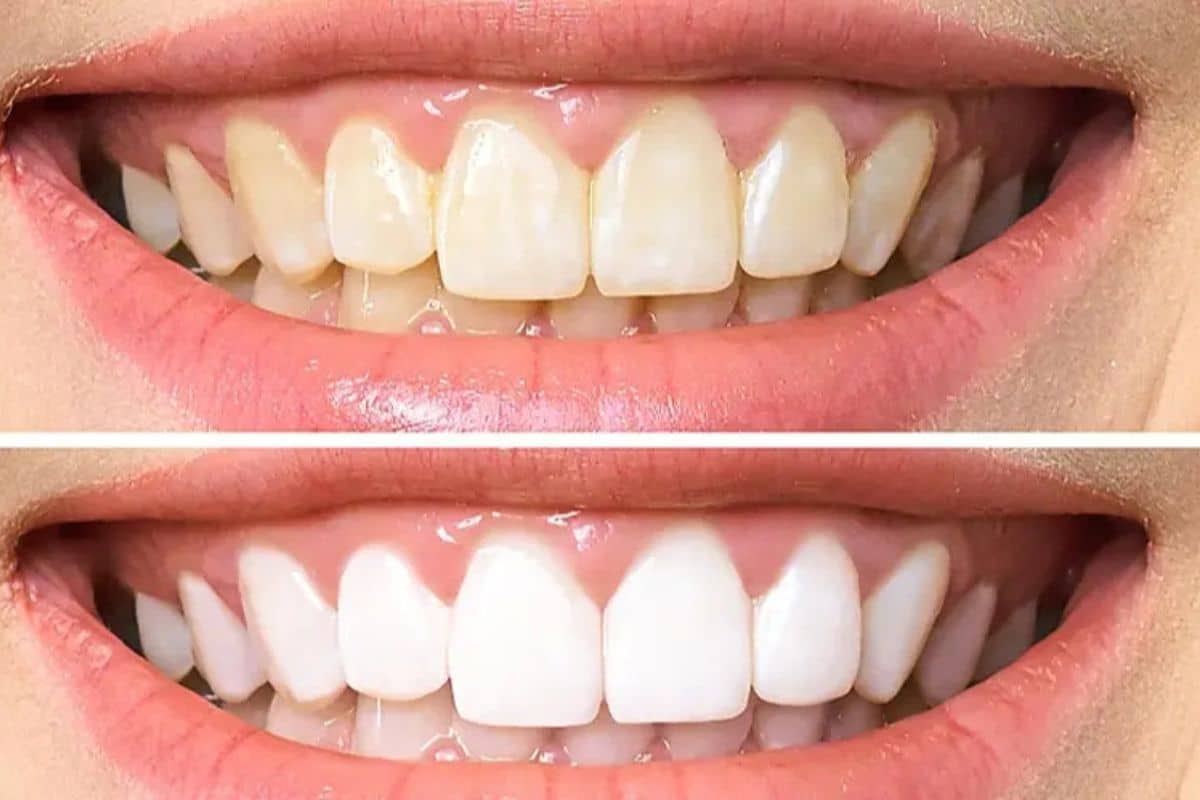
A bright, white smile is often associated with confidence, good hygiene, and health. But over time, teeth can become discolored due to various factors like coffee, tea, wine, tobacco, and aging. While professional whitening treatments offer fast and effective results, many people look for natural alternatives that are more affordable and gentle on teeth.
If you’re wondering how to whiten your teeth naturally, you’re in luck. Several home remedies can help reduce stains and lighten your teeth over time. In this blog, we’ll explore six effective natural methods for teeth whitening, their benefits, and precautions you should keep in mind.
1. Baking Soda and Hydrogen Peroxide Paste
One of the most popular DIY methods for teeth whitening is using a combination of baking soda and hydrogen peroxide. Baking soda acts as a mild abrasive, helping to scrub away surface stains, while hydrogen peroxide has natural bleaching properties.
How to use:
-
Mix 1 teaspoon of baking soda with 2 teaspoons of hydrogen peroxide to form a paste.
-
Brush your teeth gently with the paste for 1–2 minutes.
-
Rinse thoroughly with water.
Tip: Use this remedy 2–3 times a week to avoid damaging your enamel. Overuse can lead to sensitivity and enamel erosion.
2. Oil Pulling with Coconut Oil
Oil pulling is an ancient Ayurvedic practice that involves swishing oil in your mouth to remove bacteria and promote oral health. Coconut oil is especially popular due to its pleasant taste and natural antibacterial properties. While it may not bleach your teeth like peroxide, many people report a noticeable whitening effect over time due to its cleaning power.
How to use:
-
Take 1 tablespoon of organic coconut oil.
-
Swish it around in your mouth for 10–15 minutes.
-
Spit it out (not in the sink to avoid clogging) and rinse your mouth with warm water.
-
Brush your teeth as usual.
Tip: Consistency is key—try oil pulling daily to see gradual improvement.
3. Brushing with Activated Charcoal
Activated charcoal is known for its ability to absorb toxins and stains. When used correctly, it can help lift stains from your teeth without harsh chemicals. However, it’s important to choose a fine powder specifically made for dental use.
How to use:
-
Wet your toothbrush and dip it into activated charcoal powder.
-
Brush your teeth gently for 2 minutes.
-
Rinse thoroughly until all the charcoal is gone.
Caution: Use this method only 1–2 times a week. Excessive use may wear down enamel or irritate gums.
4. Apple Cider Vinegar (ACV) Rinse
Apple cider vinegar contains acetic acid, which can help break down plaque and stains. It also has natural antibacterial properties that promote a healthier mouth. However, ACV is acidic and can erode enamel if not diluted properly.
How to use:
-
Dilute 1 part ACV with 2 parts water.
-
Swish in your mouth for 30 seconds.
-
Rinse your mouth with water and brush your teeth afterward.
Caution: Limit this method to a couple of times a week to protect enamel. Always rinse thoroughly after use.
5. Eating Raw Fruits and Vegetables
Crunchy fruits and vegetables like apples, celery, and carrots help scrub your teeth naturally as you chew. Some fruits also contain enzymes that promote teeth whitening. For example:
-
Strawberries contain malic acid, which may help remove surface stains.
-
Pineapple contains bromelain, an enzyme known for stain removal.
How to use:
-
Include these fruits and vegetables in your daily diet.
-
Mash strawberries into a pulp and mix with baking soda for an occasional whitening paste.
Tip: Always rinse your mouth after eating acidic fruits to prevent enamel damage.
6. Banana Peel Rub
While this method may sound surprising, banana peels contain minerals like potassium and magnesium that may help reduce staining. Though scientific evidence is limited, some people report mild whitening effects with regular use.
How to use:
-
Peel a ripe banana.
-
Rub the inside of the peel gently against your teeth for 1–2 minutes.
-
Wait a few minutes, then brush your teeth as usual.
Tip: This method is safe and non-abrasive, so it can be done a few times a week.
Things to Keep in Mind Before Trying Natural Whitening Methods
While natural remedies can be effective, they may not work as quickly or dramatically as professional whitening treatments. Here are some things to remember:
-
Avoid overuse. Even natural products can harm your enamel if used too often.
-
Be patient. Natural whitening takes time and consistency.
-
Consult your dentist. Before starting any whitening routine, it’s best to get professional guidance—especially if you have sensitive teeth or dental restorations like crowns or veneers.
-
Maintain good oral hygiene. Brush and floss daily and avoid foods and drinks that stain your teeth, like coffee, red wine, and dark berries.
When to Consider Professional Whitening
If natural remedies don’t provide the results you’re looking for, professional whitening treatments may be your best option. Dentists offer in-office and at-home solutions that are safe, effective, and tailored to your unique needs. These options deliver faster and more noticeable results, especially for deep or stubborn stains.
Whitening your teeth naturally is possible with the right approach and consistent care. From baking soda to coconut oil and fresh fruits, these home remedies can help brighten your smile gradually while supporting your overall oral health. However, it’s essential to use them with caution and combine them with daily brushing, flossing, and healthy habits.
If you’re not getting the results you want—or if you’re unsure which method is right for you—don’t hesitate to seek expert advice. Book an appointment now with your local dental professional and take the first step toward a brighter, whiter smile.
