
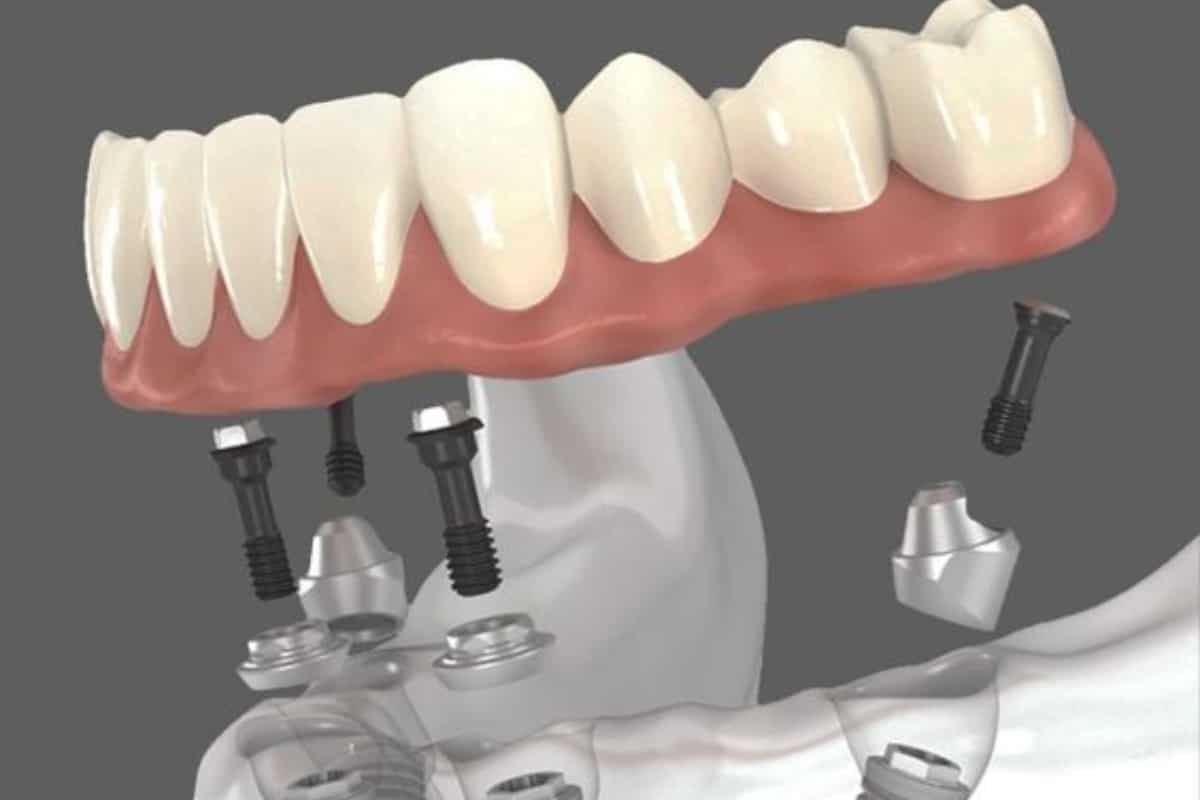
All-on-4 dental implants have revolutionized the way people restore full arches of missing teeth. This advanced solution provides a stable, natural-looking smile supported by just four strategically placed implants. While the procedure is known for its efficiency and immediate results, understanding the recovery timeline is essential for a smooth healing process and long-term success.
In this blog, we break down the week-by-week recovery timeline for All-on-4 dental implants, highlighting what patients can expect, how to manage healing, and when they’ll return to normal function.
What Are All-on-4 Dental Implants?
Before diving into recovery, it’s helpful to briefly understand the procedure. All-on-4 implants use four titanium posts surgically placed into the jawbone to support a full arch of prosthetic teeth. This treatment is ideal for patients with multiple missing teeth or failing dentition and can often be completed in a single day, including tooth extractions and temporary prosthesis placement.
Because the implants are placed at precise angles, they offer excellent stability and often eliminate the need for bone grafting. Still, healing is an essential phase of the overall treatment.
Week-by-Week Recovery Timeline
Week 1: Initial Healing Phase
-
What to Expect:
The first week focuses on healing from the surgical procedure. You may experience swelling, bruising, minor bleeding, and mild discomfort. These are normal symptoms and typically peak within the first 48 hours, then begin to subside. -
Care Instructions:
Stick to a liquid or soft food diet (e.g., smoothies, mashed potatoes, soups). Avoid hot, spicy, or crunchy foods. Follow your dentist’s post-op instructions carefully, including taking prescribed medications, rinsing with salt water, and avoiding smoking. -
Tip:
Rest and allow your body to heal. Use cold compresses to reduce swelling.
Week 2: Reduced Swelling and Discomfort
-
What to Expect:
By the second week, pain and swelling should significantly decrease. You may feel more comfortable speaking and chewing soft foods. Sutures (if non-dissolvable) may be removed around this time. -
Care Instructions:
Continue soft foods. You can begin gentle brushing around the surgical area with a soft-bristled toothbrush. Avoid disturbing the implant sites. -
Tip:
Stay hydrated and maintain good oral hygiene to support healing.
Weeks 3–4: Osseointegration Begins
-
What to Expect:
During this stage, the implants begin fusing with your jawbone—a process called osseointegration. Though you may feel much better, the implants are still healing internally and shouldn’t be stressed. -
Care Instructions:
Gradually introduce slightly firmer soft foods (scrambled eggs, steamed vegetables, soft pasta). Avoid biting with the front teeth and stick to the sides or back of the mouth. -
Tip:
Stay patient—this is a crucial time for your implants to anchor securely.
Week 5–6: Strengthening and Stability
-
What to Expect:
Most visible symptoms will be gone, and patients often report feeling “normal.” However, osseointegration continues below the surface, so care should still be taken. -
Care Instructions:
Your dentist may schedule a checkup to evaluate your progress and adjust your temporary prosthesis if needed. Keep following dietary restrictions and avoid any hard or crunchy foods. -
Tip:
Don’t rush to eat harder foods—even if you feel great. The bone-implant connection is still maturing.
Weeks 7–12: Continued Healing and Assessment
-
What to Expect:
By now, your gums are well-healed, and osseointegration is progressing steadily. Your dentist will monitor your bone health and implant stability. -
Care Instructions:
If progress is on track, you may slowly reintroduce a more varied diet. Continue practicing excellent oral hygiene, including brushing around the prosthesis and using an antimicrobial rinse if advised. -
Tip:
Keep attending all follow-up visits for professional monitoring.
3–6 Months: Final Restoration Placement
-
What to Expect:
After three to six months, the implants should be fully integrated. At this point, your dentist will replace the temporary teeth with your permanent, custom-made prosthetic arch, tailored for ideal aesthetics and function. -
Care Instructions:
Once the final teeth are in place, maintain daily hygiene and schedule routine cleanings. Your dentist may also provide a nightguard to protect against teeth grinding. -
Tip:
Enjoy your new smile! But remember, maintaining it means consistent care and checkups.
Tips for a Smooth Recovery
-
Avoid smoking or alcohol, which can hinder healing.
-
Take all prescribed medications and antibiotics as directed.
-
Use a soft diet for the first several weeks.
-
Keep the surgical site clean, but gentle.
-
Contact your dentist if you experience unusual pain, swelling, or bleeding.
Plan for Long-Term Success
The recovery timeline for All-on-4 dental implants is a process that requires patience, proper care, and consistent dental follow-ups. While the initial healing happens within a few weeks, full integration and restoration can take a few months. However, the result—a stable, confident, and functional smile—is well worth the wait. If you’re ready to take the next step toward restoring your smile, book an appointment now and speak with a trusted implant provider about your personalized treatment plan.
