
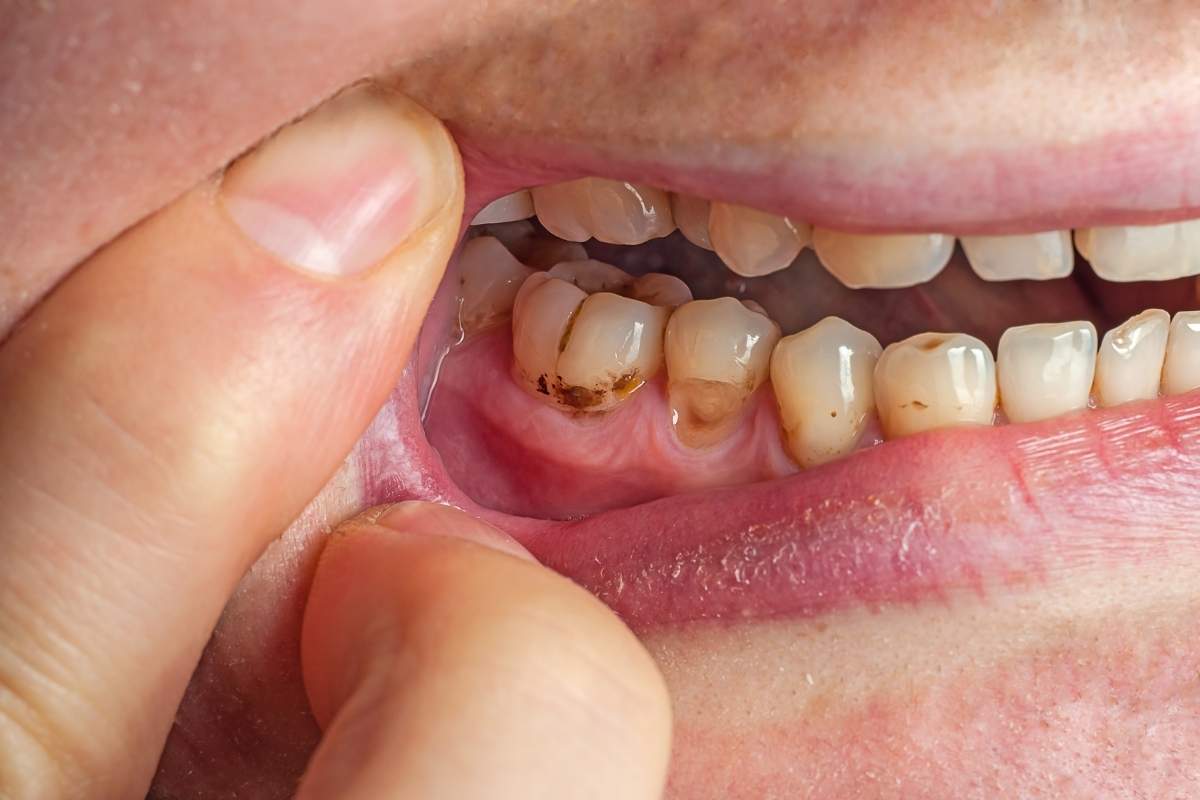
Sugar is delicious—but it’s not always friendly to your teeth. From sodas and candies to even some seemingly healthy snacks, sugar plays a major role in dental decay. At Ironwood Dental Care, Dr. Brent Stanley and our dedicated team educate patients about how sugar affects oral health and provide effective solutions to prevent cavities. Understanding the risks and learning protective strategies can help you keep your smile healthy for years to come.
How Sugar Harms Teeth
When you eat sugar, the bacteria naturally present in your mouth feed on it. This process produces acids that attack the enamel—the hard, protective layer of your teeth. Over time, these acids can cause:
- Tooth decay and cavities—small holes or structural damage in your teeth.
- Enamel erosion—weakening the tooth’s surface and making it more sensitive.
- Gum inflammation—Plaque buildup near the gums can lead to gingivitis.
The more often sugar touches your teeth, the higher the risk. This is why frequent snacking on sugary foods and drinks is particularly harmful.
Risks and Effects of Sugar on Oral Health
Sugar doesn’t just create cavities; it affects your overall dental health in several ways:
- Increased plaque buildup—Sugar feeds bacteria that produce sticky plaque, which clings to teeth and gums.
- Higher risk of gum disease—Persistent plaque can lead to gingivitis and, if untreated, periodontitis.
- Bad breath—Acid-producing bacteria thrive on sugar, creating unpleasant odors.
- Tooth sensitivity—Acid erosion from sugar can wear down enamel, exposing the sensitive inner layers.
- Potential for extensive dental work—Untreated cavities may require fillings, crowns, or even root canals.
How to Protect Your Teeth from Sugar Damage
The good news is that sugar-related damage is largely preventable. Here are strategies recommended by Dr. Brent Stanley at Ironwood Dental Care:
- Moderate your sugar intake—limit candies, sodas, and sweetened beverages. Even natural sugars in fruit juices should be consumed in moderation.
- Rinse or brush after sugary foods—brushing within 30 minutes helps remove food particles and neutralize acids.
- Use fluoride toothpaste—fluoride strengthens enamel and makes teeth more resistant to acid attacks.
- Floss daily—removes plaque and trapped sugar from between teeth.
- Drink plenty of water—water helps wash away sugars and maintain saliva flow, which naturally protects teeth.
- Schedule regular dental checkups—professional cleanings remove plaque buildup that brushing and flossing alone can’t reach.
When to Visit a Dentist
Even with the best habits, sugar can still cause hidden damage. If you notice tooth sensitivity, discoloration, or early signs of decay, it’s essential to see a Gilbert dentist promptly. At Ironwood Dental Care, Dr. Brent Stanley offers comprehensive evaluations, preventive care, and restorative treatments to keep your smile healthy.
Early detection is key—catching cavities and enamel erosion early can prevent more extensive, costly procedures down the road. Our team works closely with patients to create personalized care plans, addressing both immediate dental concerns and long-term oral health goals.
Educational Tips from Dr. Brent Stanley
Dr. Stanley emphasizes that understanding the connection between sugar and cavities is the first step to prevention:
- Read labels carefully—sugar can hide in sauces, breads, and beverages.
- Encourage family dental health—teaching children proper oral hygiene early reduces the risk of sugar-related cavities.
- Don’t ignore discomfort—even minor sensitivity or occasional bleeding gums may signal the beginning of decay.
By adopting consistent oral hygiene practices, moderating sugar intake, and relying on professional dental care, patients can enjoy sweet treats without compromising their smile.
Conclusion
Sugar can have a significant impact on dental health, but its effects are preventable with proper care, awareness, and professional guidance. We help patients understand the risks of sugar, implement protective habits, and provide treatments to restore and maintain healthy teeth.
Book your appointment today or visit our dental office at 3875 E Williams Field Rd #102, Gilbert, AZ 85295, and let Dr. Brent Stanley and the team at Ironwood Dental Care protect your smile from sugar-related damage.
FAQs
1. How does sugar cause cavities?
Sugar feeds bacteria in your mouth, producing acids that erode enamel and lead to tooth decay and cavities.
2. Can I eat sugar and still have healthy teeth?
Yes, by limiting sugar intake, practicing good oral hygiene, and visiting your dentist regularly, you can minimize the risk of cavities.
3. What are the early signs of sugar-related tooth damage?
Early signs include tooth sensitivity, discoloration, white spots, or bleeding gums during brushing or flossing.
4. How can a Gilbert dentist help prevent cavities?
A dentist can provide professional cleanings, fluoride treatments, personalized oral hygiene guidance, and early detection of cavities to prevent further damage.
