
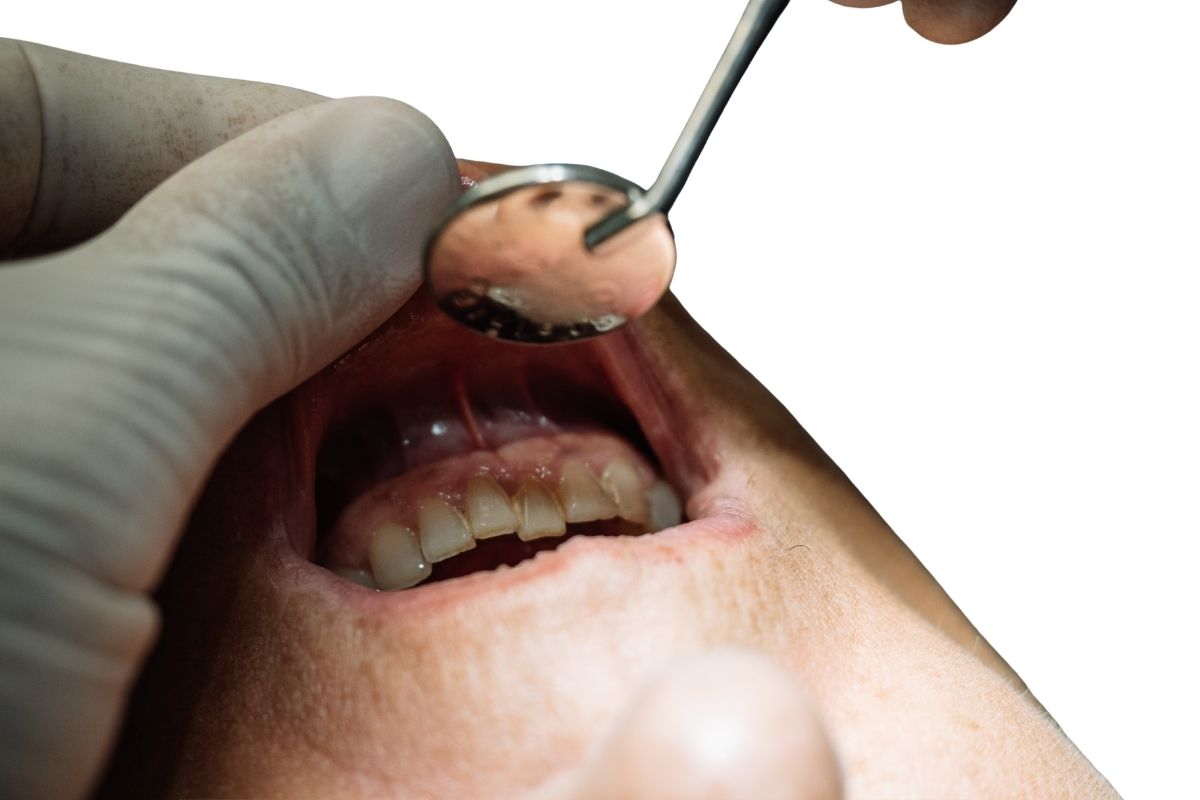
Tooth decay is one of the most common oral health problems in the United States—but the good news is that cavities are largely preventable. With the right habits, regular dental visits, and a few dentist-approved strategies, you can protect your smile and avoid the discomfort, cost, and inconvenience of restorative treatments.
According to the Centers for Disease Control and Prevention, cavities affect millions of children and adults every year. However, most cases develop gradually and can be stopped before they begin with proper care and preventive dentistry.
At Ironwood Dental Care – Cooley Station, Dr. Brent Stanley in Gilbert, AZ, patients receive personalized guidance and preventive treatments designed to keep their teeth strong and healthy for years to come. If you want to learn how to stop cavities before they start, the following dentist-approved tips can make a significant difference in your daily oral care routine.
What Causes Cavities?
Before preventing cavities, it helps to understand how they form.
Cavities develop when bacteria in your mouth break down sugars from foods and beverages. This process produces acids that gradually wear away tooth enamel. Over time, these acids create tiny holes in the teeth, which eventually become cavities.
Several factors can increase your risk of tooth decay, including:
- Poor oral hygiene habits
- Frequent snacking or sugary drinks
- Dry mouth
- Lack of fluoride
- Deep grooves in molars
- Infrequent dental visits
The key to preventing cavities is disrupting this cycle before enamel damage occurs.
1. Brush Properly Twice a Day
Brushing your teeth is the foundation of cavity prevention. However, brushing incorrectly—or not long enough—can leave plaque behind.
Dentists recommend brushing at least twice a day for two minutes using fluoride toothpaste. Proper brushing removes plaque buildup and food particles that feed cavity-causing bacteria.
Follow these brushing tips:
- Use a soft-bristle toothbrush
- Brush gently in circular motions
- Reach the gumline and back molars
- Replace your toothbrush every 3–4 months
Electric toothbrushes can also help improve brushing effectiveness, especially for children and individuals with limited dexterity.
2. Don’t Skip Flossing
While brushing cleans the surfaces of your teeth, flossing removes plaque and food debris between teeth where toothbrush bristles cannot reach.
When plaque accumulates between teeth, cavities often develop in these tight spaces.
Dentists recommend flossing at least once daily. If traditional floss feels difficult to use, alternatives such as floss picks or water flossers can make the process easier.
Consistent flossing reduces the risk of both cavities and gum disease.
3. Use Fluoride to Strengthen Enamel
Fluoride is one of the most powerful tools for preventing tooth decay. It strengthens tooth enamel and helps repair early stages of acid damage before cavities form.
Many preventive dental products contain fluoride, including:
- Toothpaste
- Mouthwash
- Professional dental treatments
- Community drinking water in many areas
Dentists may also recommend professional fluoride applications during routine checkups to provide additional protection for patients at higher risk of cavities.
4. Limit Sugary and Acidic Foods
Your diet plays a major role in oral health. Sugary foods and drinks feed the bacteria that produce enamel-damaging acids.
Common cavity-causing foods include:
- Candy and chocolate
- Soda and sports drinks
- Sweetened coffee beverages
- Sticky snacks like caramel or dried fruit
This doesn’t mean you have to eliminate these treats, but moderation and timing matter.
Helpful tips include:
- Avoid frequent snacking
- Drink water after sugary foods
- Choose healthier snacks like cheese, nuts, or vegetables
- Consume sweets with meals rather than between meals
Reducing sugar exposure helps lower the risk of enamel erosion and cavities.
5. Drink Plenty of Water
Water is one of the easiest ways to support oral health.
Drinking water throughout the day helps with the following:
- Rinse away food particles
- Reduce acid buildup
- Keep the mouth hydrated
- Support saliva production
Saliva plays a crucial role in cavity prevention because it neutralizes acids and naturally protects enamel.
If possible, choose fluoridated water for additional cavity protection.
6. Consider Dental Sealants
Dental sealants are thin protective coatings applied to the chewing surfaces of molars. These back teeth often have deep grooves where plaque and food particles collect.
Sealants create a protective barrier that prevents bacteria from settling into these areas.
Sealants are especially beneficial for:
- Children and teenagers
- Adults with deep molar grooves
- Patients prone to cavities
The application process is quick, painless, and highly effective for preventing decay in hard-to-reach areas.
7. Schedule Regular Dental Checkups
Even with excellent oral hygiene habits, professional dental care remains essential for cavity prevention.
Routine dental visits allow dentists to
- Detect early signs of tooth decay
- Remove plaque and tartar buildup
- Provide fluoride treatments
- Monitor overall oral health
The American Dental Association recommends visiting a dentist at least twice a year for checkups and professional cleanings.
Early detection can stop cavities before they progress into more serious dental problems.
8. Treat Dry Mouth Early
Saliva is a natural defense against cavities. It washes away food particles, neutralizes acids, and helps repair enamel.
When saliva production decreases, cavity risk increases.
Dry mouth may be caused by:
- Certain medications
- Medical conditions
- Smoking or tobacco use
- Dehydration
If you frequently experience dry mouth, your dentist may recommend:
- Drinking more water
- Sugar-free gum or lozenges
- Specialized mouth rinses
- Lifestyle adjustments
Addressing dry mouth early helps maintain a healthy balance in your oral environment.
9. Protect Children’s Teeth Early
Children are especially vulnerable to cavities because their developing teeth may be more susceptible to decay.
Parents can help protect their child’s smile by:
- Teaching proper brushing and flossing habits
- Limiting sugary snacks and drinks
- Scheduling early dental visits
- Considering dental sealants
Establishing healthy oral habits early sets the foundation for lifelong dental health.
10. Watch for Early Signs of Cavities
Cavities often develop slowly, and early signs can be subtle.
Symptoms may include:
- Tooth sensitivity
- Mild toothache
- White spots on enamel
- Visible holes or dark spots on teeth
If you notice any of these symptoms, schedule a dental evaluation promptly. Early treatment can prevent the need for more extensive procedures later.
The Importance of Preventive Dentistry
Preventive dentistry focuses on protecting your teeth before problems arise. With consistent care and regular dental visits, many patients can avoid cavities entirely.
At Ironwood Dental Care – Cooley Station, Dr. Brent Stanley’s patients receive comprehensive preventive care tailored to their unique needs. From professional cleanings to fluoride treatments and personalized oral hygiene advice, the goal is to help every patient maintain a healthy, cavity-free smile.
Protect Your Smile Before Cavities Start
Cavities may be common, but they are largely preventable with the right daily habits and professional dental care. By brushing and flossing consistently, limiting sugar intake, staying hydrated, and scheduling regular dental checkups, you can significantly reduce your risk of tooth decay.
Preventive dentistry not only protects your smile but also saves time, money, and discomfort in the future.
If you want to keep your teeth healthy and cavity-free, schedule your appointment today and visit our dental office at 3875 E Williams Field Rd #102, Gilbert, AZ 85295.
FAQs
1. Can cavities heal on their own?
Early enamel damage may be reversed with fluoride and proper oral care. However, once a cavity forms, it typically requires professional dental treatment.
2. How often should I visit the dentist to prevent cavities?
Most dentists recommend checkups and cleanings every six months to detect and prevent tooth decay early.
3. Are dental sealants only for children?
No. While commonly used for children and teens, adults with deep molar grooves may also benefit from dental sealants.
4. Does drinking water help prevent cavities?
Yes. Drinking water helps wash away food particles, reduces acids, and supports saliva production, which protects teeth from decay.
5. What foods help prevent cavities?
Foods like cheese, yogurt, leafy greens, nuts, and crunchy vegetables can support oral health and reduce cavity risk.
