
When a tooth is lost, many people focus on replacing the visible part of the tooth. However, what lies beneath the surface—the jawbone—is just as important. Without sufficient bone, replacing a missing tooth with dental implants can become challenging or even impossible.
That’s where bone grafting comes in. This advanced dental procedure rebuilds and strengthens the jawbone, creating a stable foundation for dental implants and helping restore both oral health and facial structure.
At Ironwood Dental Care – Cooley Station, Dr. Brent Stanley’s patients receive expert care using modern techniques to restore lost bone and prepare the mouth for long-lasting tooth replacement solutions. If you’ve been told you don’t have enough bone for implants, bone grafting may be the solution that makes your dream smile possible. 
What Is Bone Grafting?
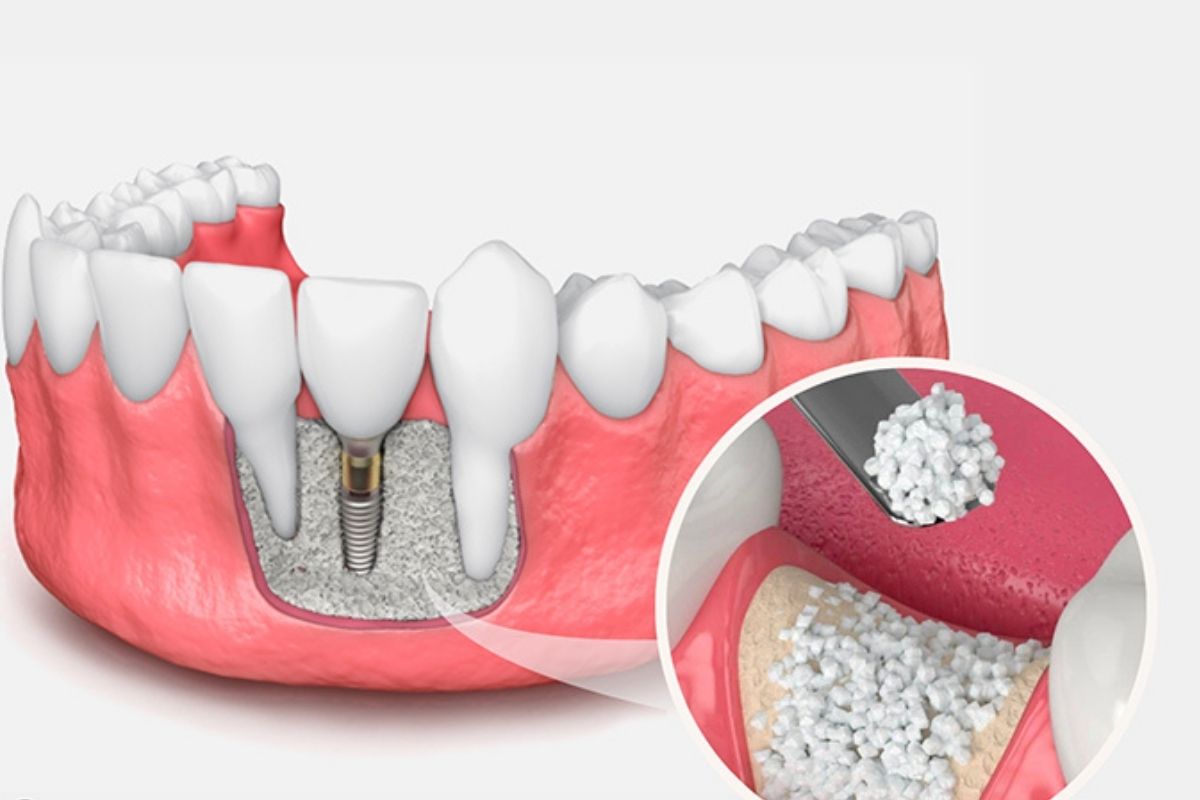
Bone grafting is a dental procedure that rebuilds or replaces bone tissue in the jaw. This treatment is commonly performed when bone has deteriorated due to tooth loss, gum disease, or trauma.
When a tooth is missing for a long period, the jawbone in that area begins to shrink because it no longer receives stimulation from the tooth root. Over time, this bone loss can lead to:
- Difficulty placing dental implants
- Changes in facial structure
- Shifting of nearby teeth
- Reduced oral function
A bone graft restores lost bone by placing specialized grafting material in the area where bone is missing. Over time, the body naturally integrates the graft and produces new bone tissue.
Why Bone Loss Happens After Tooth Loss
Many patients are surprised to learn how quickly bone loss can occur after losing a tooth. In fact, the jawbone can lose significant volume within the first year.
Common causes of jawbone loss include:
1. Missing Teeth
When a tooth root is no longer present, the bone in that area begins to resorb because it no longer receives stimulation.
2. Gum Disease
Advanced periodontal disease can destroy the supporting bone around teeth.
3. Trauma or Injury
Accidents or injuries can damage the jawbone structure.
4. Long-Term Denture Use
Traditional dentures rest on top of the gums and do not stimulate the bone, which can lead to gradual bone loss.
Bone grafting helps restore lost bone and allows patients to pursue more permanent solutions like dental implants.
Types of Bone Grafts Used in Dentistry
Depending on the patient’s needs, dentists may use different types of bone grafting materials. These materials are designed to support new bone growth and provide structural support.
Common options include:
Autograft
Bone taken from another part of the patient’s own body.
Allograft
Donor bone obtained from a tissue bank and processed for safe use.
Xenograft
Bone derived from animal sources that is specially treated and purified.
Synthetic Bone Graft
Biocompatible materials designed to mimic natural bone structure.
During your consultation, Dr. Brent Stanley will evaluate your oral health and recommend the best grafting approach for your needs.
When Is Bone Grafting Needed?
Bone grafting is commonly recommended before or during dental implant treatment. However, it can also benefit patients experiencing significant bone loss.
Situations where bone grafting may be recommended include:
- Preparing for dental implants
- Replacing bone lost from gum disease
- Repairing jaw damage after injury
- Supporting dentures or bridges
- Preserving bone after tooth extraction
In some cases, dentists perform socket preservation, which places bone graft material immediately after a tooth extraction to prevent bone loss.
The Bone Grafting Procedure: What to Expect
Many patients worry that bone grafting may be painful or complicated, but the procedure is typically straightforward and comfortable.
Step 1: Consultation and Evaluation
The dentist evaluates your oral health using digital X-rays or 3D imaging to determine the extent of bone loss.
Step 2: Local Anesthesia
The treatment area is numbed to ensure comfort during the procedure.
Step 3: Placement of Bone Graft Material
The grafting material is carefully placed in the area where bone is missing.
Step 4: Healing and Bone Regeneration
Over several months, the body naturally integrates the graft and generates new bone tissue.
This process creates a strong, stable foundation for dental implants or other restorative treatments.
Recovery After Bone Grafting
Recovery from bone grafting is usually mild and manageable. Most patients return to normal activities within a day or two.
Common recovery experiences include:
- Mild swelling
- Minor discomfort
- Temporary sensitivity
Patients are typically advised to:
- Avoid strenuous activity for a few days
- Eat soft foods during initial healing
- Follow oral hygiene instructions carefully
- Attend follow-up appointments
Complete bone integration may take 3 to 6 months, depending on the size and location of the graft.
Benefits of Bone Grafting
Bone grafting offers numerous benefits that go beyond preparing for dental implants.
Restores Jawbone Strength
Rebuilds lost bone and improves structural support.
Makes Dental Implants Possible
Creates the foundation needed for successful implant placement.
Preserves Facial Structure
Prevents the sunken facial appearance associated with bone loss.
Improves Long-Term Oral Health
Helps maintain proper bite alignment and tooth stability.
For many patients, bone grafting is the first step toward a healthier, more functional smile.
Why Choose Dr. Brent Stanley for Bone Grafting?
Choosing an experienced dentist is essential when considering advanced procedures like bone grafting.
Patients trust Dr. Brent Stanley because of his commitment to patient-centered care and modern dental techniques.
Benefits of choosing this practice include:
- Advanced dental technology
- Personalized treatment planning
- Comfortable and compassionate care
- Expertise in restorative and implant dentistry
The goal is not only to restore bone but also to help patients regain confidence in their smiles.
Take the First Step Toward Restoring Your Smile
If you’ve been told you don’t have enough bone for dental implants or you’ve experienced bone loss due to missing teeth or gum disease, bone grafting could be the solution that restores both your oral health and your confidence.
Schedule your appointment today and visit our dental office at 3875 E Williams Field Rd #102, Gilbert, AZ 85295. Our team is ready to help you rebuild your smile and achieve long-lasting dental health.
Connect With Us on Social Media
Stay connected with our dental team, see patient success stories, and get helpful oral health tips by following us online:
These platforms provide updates, educational content, and insights into the latest dental treatments offered at our practice.
FAQs
1. Is bone grafting painful?
Bone grafting is typically performed under local anesthesia, so patients feel little to no pain during the procedure. Mild discomfort after treatment can usually be managed with over-the-counter medications.
2. How long does a dental bone graft take to heal?
Healing time varies depending on the size of the graft, but most bone grafts take 3 to 6 months to fully integrate with the natural bone.
3. Do I always need bone grafting before dental implants?
Not always. If the jawbone is strong and dense enough, implants can be placed without grafting. However, patients with bone loss often benefit from grafting first.
4. Is bone grafting safe?
Yes. Dental bone grafting is a well-established and highly successful procedure that has been used in dentistry for decades.
5. Can bone grafting be done after tooth extraction?
Yes. In many cases, dentists place a bone graft immediately after a tooth extraction to prevent bone loss and preserve the socket for future dental implants.
