
Maintaining a healthy smile goes beyond brushing and flossing at home. One of the most common questions patients ask is, “How often should I go to the dentist?” The answer isn’t one-size-fits-all. While many people are told to visit the dentist every six months, your ideal schedule may vary depending on your oral health, lifestyle, and specific dental needs.
We’ll break down recommended dental visit frequencies, factors that influence your schedule, and why regular checkups at Ironwood Dental Care – Cooley Station are essential for long-term oral health.
Why Regular Dental Visits Matter
Routine dental checkups are essential for more than just keeping your teeth clean. They help prevent serious dental issues before they start and ensure early detection when problems arise.
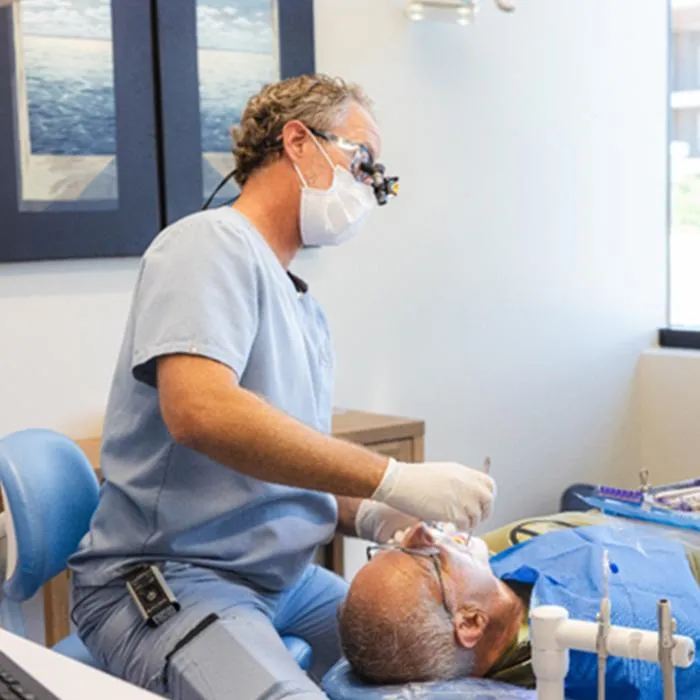
Here’s what happens during a typical dental visit:
- Professional cleaning to remove plaque and tartar buildup
- Thorough oral examination
- Screening for cavities, gum disease, and oral cancer
- X-rays (if needed) to detect hidden issues
Skipping dental visits may seem harmless, but it can lead to untreated problems like cavities, gum disease, and even tooth loss.
The Standard Recommendation: Every 6 Months
For most people, visiting the dentist in Gilbert every six months is considered the gold standard.
Why twice a year?
- Plaque hardens into tartar within months and requires professional removal
- Early signs of decay or gum disease can be caught quickly
- Preventive care saves money in the long run
This schedule works well for individuals with generally good oral health and no major dental concerns.
When You May Need More Frequent Visits
Not everyone fits into the “twice-a-year” category. Some individuals benefit from more frequent dental checkups—every 3 to 4 months.
You may need more frequent visits if you:
- Have a history of gum disease
- They are prone to cavities
- Smoke or use tobacco products
- Have diabetes or other systemic health conditions
- Wear braces or other orthodontic appliances
- Experience frequent plaque buildup
Frequent visits allow your dentist to monitor your condition closely and provide timely treatments.
When You Might Need Fewer Visits
On the other hand, some people with excellent oral hygiene and low risk for dental issues may only need to visit once a year.
You might qualify for fewer visits if you:
- Have no history of cavities or gum disease
- Maintain excellent oral hygiene habits
- Follow a healthy, low-sugar diet
- Don’t smoke or use tobacco
However, it’s important to follow your dentist’s recommendation rather than deciding on your own.
Dental Visits by Age Group
Children (Ages 1–12)
Children should start seeing a dentist by their first birthday and continue with visits every six months. Early visits help:
- Monitor tooth development
- Prevent cavities
- Build positive dental habits
Teens
Teenagers are at higher risk for cavities due to diet and inconsistent oral hygiene. Regular checkups every six months—or more frequently if needed—are recommended.
Adults
Most adults benefit from twice-yearly visits, but lifestyle factors like stress, diet, and smoking may require more frequent care.
Seniors
Older adults may face issues like gum recession, dry mouth, and tooth loss. Regular visits are crucial to maintaining oral health and overall well-being.
Signs You Should See a Dentist Sooner
Even if you’re on a regular schedule, certain symptoms mean you shouldn’t wait for your next appointment.
Watch for these warning signs:
- Tooth pain or sensitivity
- Bleeding or swollen gums
- Persistent bad breath
- Loose or shifting teeth
- Mouth sores that don’t heal
These symptoms could indicate underlying issues that require immediate attention.
The Link Between Oral Health and Overall Health
Your oral health is closely connected to your overall health. Studies show links between gum disease and conditions like:
- Heart disease
- Diabetes
- Respiratory infections
- Pregnancy complications
Regular dental visits help reduce inflammation and bacteria in your mouth, supporting better overall health.
What Happens If You Skip Dental Visits?
Skipping routine dental care can lead to serious consequences over time:
- Cavities worsen and may require fillings, crowns, or root canals
- Gum disease progresses, potentially leading to tooth loss
- Oral infections can spread to other parts of the body
- Higher treatment costs due to delayed care
Preventive visits are always more affordable and less invasive than restorative treatments.
How to Maximize Your Dental Visits
To get the most out of your dental appointments:
- Brush twice daily with fluoride toothpaste
- Floss every day
- Limit sugary foods and drinks
- Follow your dentist’s recommendations
- Keep a consistent appointment schedule
Consistency is key when it comes to oral health.
Personalized Dental Care: The Best Approach
The ideal dental visit frequency varies from person to person. Your dentist will consider factors like the following:
- Your oral health history
- Current dental condition
- Lifestyle habits
- Medical conditions
This personalized approach ensures you receive the right level of care for your needs.
Take Control of Your Oral Health Today
Regular dental visits are one of the simplest and most effective ways to protect your smile and overall health. Whether you need checkups every six months or more frequently, staying consistent with your appointments can prevent problems and save you time, money, and discomfort in the long run.
If you’re due for a dental visit or experiencing any oral health concerns, now is the perfect time to take action. Schedule your appointment today with Ironwood Dental Care – Cooley Station and experience personalized, high-quality care. Visit us at 3875 E Williams Field Rd #102, Gilbert, AZ 85295, and let our experienced team help you maintain a healthy, confident smile for years to come.
