You just got a brand-new smile, and now you’re staring at your plate, wondering if you can eat that crunchy apple or sip your morning coffee without causing damage. Does it sound familiar? If you’ve recently received dental veneers in Queen Creek, this is probably the first question running through your mind. The good news is that having porcelain dental shells does not mean giving up your favorite meals forever. But they do come with a few food rules worth knowing, especially in the weeks right after placement. These dental restorations are thin, durable shells bonded to the front of your teeth. While they are built to last 10–15 years with proper care, they can chip, stain, or loosen when exposed to the wrong foods. According to the American Academy of Cosmetic Dentistry, veneer procedures are among the most requested cosmetic dental treatments in the U.S., with millions of Americans choosing them each year to improve their smile. That number is growing right here in the East Valley and across Arizona. At Ironwood Dental Care, Dr. Stanley and the team work closely with every veneer patient to make sure your smile stays beautiful long after your appointment. Whether you are a few days post-treatment or you have had your porcelain dental shells for years, knowing what to eat and what to skip makes all the difference. Ready to protect your investment and keep smiling with confidence? Keep reading.
So, Can You Eat Normally With Veneers?
Yes, mostly. Most everyday foods are completely fine with veneers. You can enjoy grilled chicken, pasta, eggs, fish, soft fruits, cooked vegetables, and plenty more without any concern. These dental shells are securely bonded to your teeth and designed to withstand regular chewing. The real issue comes with certain hard, sticky, crunchy, or highly pigmented foods. These can put stress on the bonding, cause cracking, or lead to staining over time. The right adjustments go a long way in keeping your tooth restorations looking and feeling their best.
Foods You Can Safely Enjoy With Veneers
Consider it your veneer-friendly grocery list. These foods are safe, nutritious, and won’t put your smile at risk:
Soft Proteins
• Grilled or baked chicken and fish • Eggs (scrambled, poached, or boiled) • Tofu and legumes • Soft-cooked ground meat
Cooked or Steamed Vegetables
• Steamed broccoli, zucchini, and carrots • Mashed potatoes and sweet potatoes • Roasted squash and cauliflower • Soft leafy greens like spinach
Dairy Products and Soft Grains
• Yogurt, soft cheese, and milk • Oatmeal and cream of wheat • Soft bread and pasta • Rice (well-cooked)
Soft Fruits
• Bananas, mangoes, and melons • Peeled peaches and pears • Berries (in moderation, see staining note below) • Avocado If you’re looking for a complete guide to veneer-compatible meal planning or have questions about your specific dietary habits, our dental care team in Queen Creek is always here to help.
Foods to Avoid With Veneers
Protecting your dental shells means being aware of a few key food categories that can cause damage. Here’s what to steer clear of or at least limit significantly.
Hard and Crunchy Foods
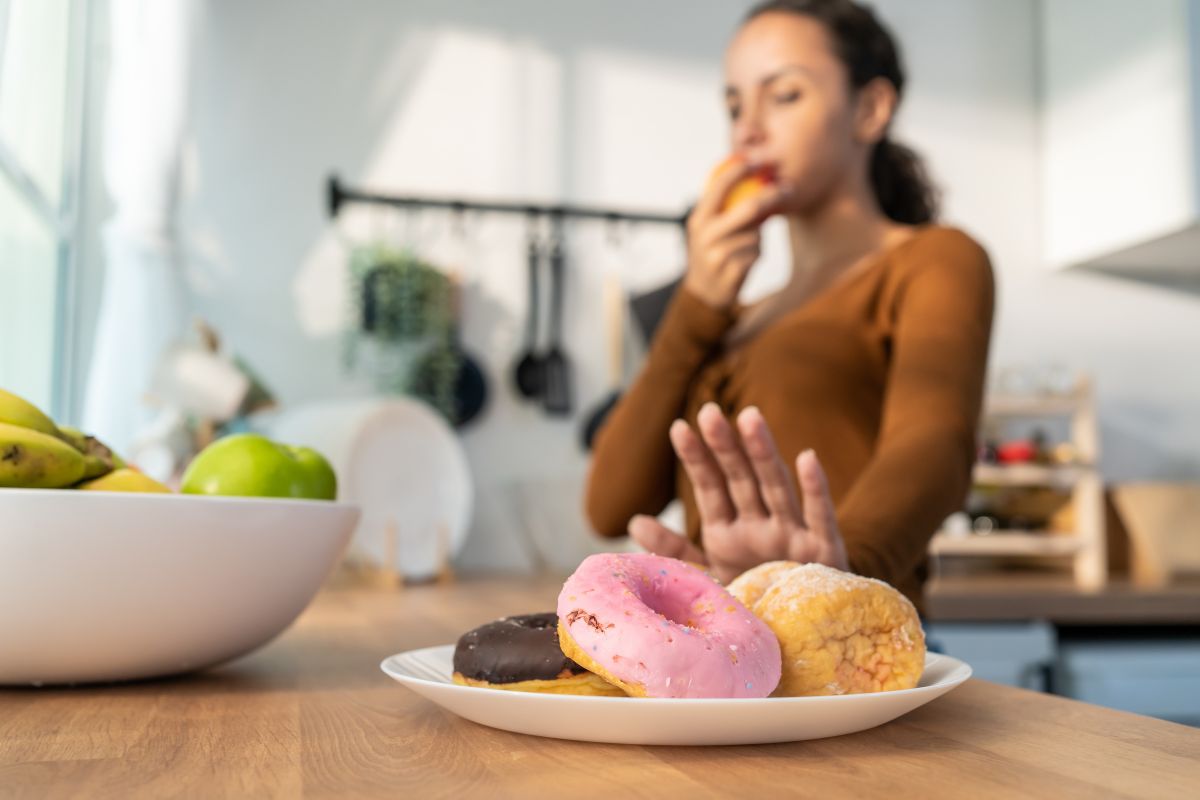
Hard foods are one of the biggest threats to these restorations. Biting into something hard can crack or chip the porcelain shell. Avoid or use caution with: • Raw carrots, apples, and celery, cut them into small pieces instead • Hard candies and lollipops • Popcorn (the kernels and unpopped pieces are risky) • Ice, never chew it • Crusty bread and bagels • Nuts and seeds in large amounts
Sticky and Chewy Foods
Sticky foods can pull at the bonding material holding your tooth shells in place. Repeated exposure can weaken the bond over time. Watch out for: • Caramel, taffy, and gummy candies • Dried fruits like raisins and dried mangoes • Chewy energy bars • Peanut butter in thick spoonfuls • Toffee and nougat
Staining Foods and Drinks
Porcelain veneers resist staining better than natural enamel, but the bonding material at the edges can still discolor with prolonged exposure. Limit these: • Coffee and tea, rinse your mouth with water after drinking • Red wine • Dark sodas and sports drinks • Tomato-based sauces • Soy sauce and balsamic vinegar • Berries in large quantities (blueberries, blackberries)
Acidic Foods and Drinks
Highly acidic foods won’t damage the veneer itself, but they can erode the natural tooth structure underneath and weaken the bond over time. Limit your intake of: • Citrus fruits and juices (lemon, lime, orange, grapefruit) • Vinegar-based dressings and marinades • Pickled foods • Carbonated drinks
What About Alcohol?
Alcohol can soften the bonding resin used to secure veneers. While an occasional drink is generally fine, heavy or frequent alcohol consumption is a risk factor for veneer loosening. Mouthwashes containing alcohol can have a similar effect. Ask your dentist about alcohol-free alternatives.
What to Eat Right After Getting Veneers
The first 24 to 48 hours after veneer placement are a critical period. The bonding cement is still setting, and your teeth may feel sensitive. During this time, stick to very soft foods only. Good choices in the first two days include: • Yogurt and smoothies • Mashed potatoes and soup • Scrambled eggs • Soft-cooked pasta • Pudding and applesauce Also, avoid very hot or very cold foods and drinks right after the procedure. Temperature sensitivity is common in the first few days following veneer placement.
Everyday Habits That Help Your Veneers Last Longer
What you eat is just part of the picture. These daily habits make a big difference, too: • Brush with a non-abrasive toothpaste and a soft-bristled toothbrush • Floss daily around the veneer margins • Use a straw when drinking coffee, wine, or dark sodas • Rinse with water after consuming staining foods or drinks • Wear a nightguard if you grind your teeth; this is a common veneer concern • Schedule regular cleanings with your dentist every six months • Avoid using your teeth as tools (opening packages, biting nails) Did you know that porcelain dental shells placed and maintained properly can last well over a decade? Regular check-ins with your dentist are one of the most reliable ways to catch small issues before they become big ones.
Your Smile Deserves Ongoing Care. We’re Here for You
Living with porcelain dental shells doesn’t mean living with restrictions; it means making smarter choices. Most of your favorite foods are still on the table. You just need to know which ones to enjoy with care and which ones to set aside. At Ironwood Dental Care, we believe that great dental care doesn’t stop the day you leave the chair. If you have questions about your diet after these dental restorations, notice any changes in how your tooth shells fit or look, or just need a routine cleaning, we’re right here for you. We proudly serve patients with dental veneers in Queen Creek and the surrounding East Valley communities, including San Tan Valley, Gilbert, Chandler, and Maricopa. Visit our dental office in Queen Creek and let Dr. Stanley and the Ironwood Dental Care team give your smile the attention it deserves.
Frequently Asked Questions (FAQs)
1. Can I eat normally right after getting veneers? In the first 24–48 hours, it is best to stick to very soft foods while the bonding cement fully sets. After that initial period, you can return to most regular foods. If you are unsure what is safe at each stage, your dentist can walk you through a recovery-friendly eating plan. 2. Do veneers stain easily? They resist staining better than natural enamel, but the composite bonding at the edges can discolor with prolonged exposure to dark beverages and sauces. Rinsing with water after consuming staining foods and drinks helps minimize this risk over time. 3. Can I drink coffee with veneers? Yes, but in moderation. Using a straw and rinsing your mouth with water afterward can reduce the staining impact. Your dentist can also recommend polishing or cleaning routines to keep your veneers looking bright. 4. How long do veneers last if I eat right? With the right diet and proper oral hygiene, porcelain tooth shells can last 10 to 15 years or longer. Regular dental check-ups play a major role in extending the life of your veneers and catching any early signs of wear. 5. Are there any foods that will definitely break veneers? Very hard foods like ice, hard candies, and nutshells carry a real risk of chipping or cracking porcelain veneers. It is not worth the risk; please replace these with safer alternatives, and your veneers will appreciate it. 6. Can veneers fall off from eating? It is uncommon, but sticky or very hard foods can put stress on the bond holding your veneer in place. If a veneer ever feels loose or shifts position, contact your dentist right away; prompt care prevents further complications. 7. Should I change my diet permanently after getting veneers? Not dramatically. Most everyday foods are perfectly fine. The key is to be mindful of foods that pose a real risk, hard, sticky, or heavily pigmented items, and to reduce them rather than eliminate your whole diet. Small habits make a big long-term difference. 8. What toothpaste is safe for veneers? Use a non-abrasive, fluoride toothpaste and a soft-bristled toothbrush. Avoid whitening toothpastes with harsh abrasives, as they can scratch the surface of your veneers. Your dentist can recommend the right products for your specific situation. 9. When should I see my dentist after getting veneers? Schedule a follow-up visit a few weeks after placement, and then continue with regular six-month cleanings. If you notice any changes in bite, sensitivity, or appearance, do not wait; reach out to your dental care team promptly.
