
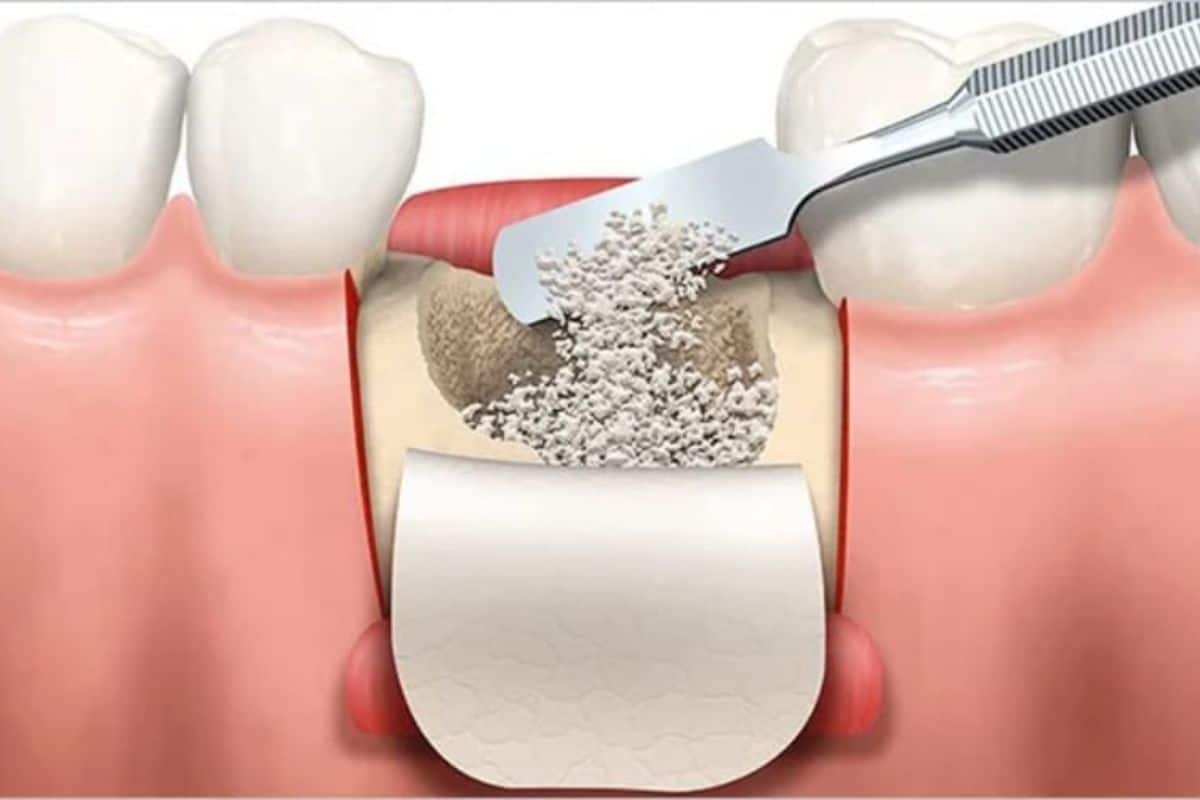
If you’ve recently undergone a dental bone graft or are planning to have one, knowing how to care for yourself afterward is crucial. A dental bone graft is often necessary when there is insufficient jawbone to support dental implants or after tooth extraction to prevent bone loss. The success of the procedure depends not only on your dentist’s skill but also on how well you follow recovery guidelines.
In this blog, we’ll cover essential do’s and don’ts to help ensure a smooth, complication-free healing process.
What Is a Dental Bone Graft?
A dental bone graft is a surgical procedure that involves placing bone or a bone-like material into your jaw to restore volume and strength. This is typically done to:
-
Prepare the jaw for dental implants
-
Prevent bone loss after tooth extraction
-
Repair bone damage due to trauma or periodontal disease
Once placed, the graft material acts as a scaffold for new bone growth and gradually integrates with your natural bone over a few months.
Why Recovery Matters
Healing well after a bone graft is essential. If the graft fails to integrate or becomes infected, it can delay future dental work and may require additional procedures. By following post-op care closely, you support your body’s natural healing process and improve the chances of long-term success.
✅ DO: Follow Post-Op Instructions Carefully
Your dentist or oral surgeon will provide detailed post-operative instructions. These may include medication schedules, hygiene protocols, and activity restrictions. It’s vital to follow these instructions exactly as prescribed, even if you feel fine.
✅ DO: Take All Prescribed Medications
You may be prescribed antibiotics to prevent infection and pain relievers to manage discomfort. Take all medications on time and complete the full course of antibiotics. Do not stop taking them early, even if symptoms improve.
✅ DO: Apply Ice to Reduce Swelling
Swelling is common after a bone graft, particularly in the first 48 hours. Use an ice pack on the outside of your cheek near the graft area. Apply it for 15–20 minutes at a time with breaks in between. This will help minimize swelling and bruising.
✅ DO: Eat Soft, Nutrient-Rich Foods
A soft food diet is recommended for the first few days after surgery. Opt for foods that require minimal chewing, such as:
-
Mashed potatoes
-
Yogurt
-
Applesauce
-
Smoothies (no straws)
-
Scrambled eggs
-
Oatmeal or soft cereals
Avoid hot, spicy, or crunchy foods, which can irritate the surgical site.
✅ DO: Keep Your Head Elevated
When resting or sleeping, use an extra pillow to keep your head elevated. This helps reduce swelling and bleeding. Avoid lying flat on your back during the initial recovery period.
✅ DO: Rinse Gently with Salt Water (As Advised)
Your dentist may recommend saltwater rinses starting 24 to 48 hours after surgery. Mix a teaspoon of salt in a glass of warm water and rinse gently. This helps keep the area clean without disturbing the graft.
❌ DON’T: Disturb the Surgical Area
Avoid touching the graft site with your fingers or tongue. Don’t poke or prod the area, and avoid vigorous spitting or rinsing. Any disruption can dislodge the graft or sutures and interfere with healing.
❌ DON’T: Use Straws or Suck Liquids
Using a straw or creating suction in your mouth can dislodge the blood clot that forms over the graft site. This can lead to complications like dry socket or graft failure. Always sip liquids from a glass or cup.
❌ DON’T: Smoke or Use Tobacco
Smoking significantly impairs healing by reducing blood flow to the surgical area. It also increases the risk of infection and bone graft failure. Avoid all tobacco products for at least two weeks after surgery—or better yet, quit permanently.
❌ DON’T: Engage in Intense Physical Activity
For the first few days, avoid heavy lifting, strenuous exercise, or bending over. Physical exertion can increase blood pressure and lead to bleeding or swelling at the graft site. Resume light activities only after your dentist gives you the green light.
❌ DON’T: Skip Follow-Up Appointments
Regular follow-up appointments are essential to monitor the healing process and ensure the graft is integrating properly. Your dentist will check for signs of infection, assess gum health, and decide when it’s safe to proceed with further dental treatment.
Additional Recovery Tips
-
Stay hydrated: Drink plenty of water, but avoid sugary, caffeinated, or alcoholic beverages.
-
Avoid alcohol: Alcohol can interfere with medications and delay healing.
-
Use a soft-bristled toothbrush: Be gentle when brushing near the surgical site to avoid disrupting healing tissue.
-
Rest and relax: Give your body time to recover. The better you rest, the quicker you’ll heal.
When to Contact Your Dentist
While mild discomfort, swelling, and bruising are normal, certain symptoms may indicate a problem. Contact your dentist immediately if you experience:
-
Severe or worsening pain not relieved by medication
-
Excessive or prolonged bleeding
-
Fever or chills
-
Pus or foul odor from the site
-
Visible bone graft material coming out
-
Swelling that increases after the third day
Prompt attention to these signs can help prevent serious complications.
A dental bone graft can significantly improve your oral health and pave the way for treatments like dental implants. By taking proper care of yourself during recovery, you give your graft the best chance to heal and integrate successfully. Remember, your efforts during this time are just as important as the surgery itself.
Always communicate openly with your dental team, ask questions if you’re unsure, and don’t hesitate to reach out if anything doesn’t feel right. With the right care, you’ll be on your way to a stronger, healthier smile in no time.
