
If you’ve been recommended a dental crown, you may be wondering about the procedure itself, the level of discomfort you might experience, and what your recovery will be like. Dental crowns are a common restorative treatment designed to protect and restore damaged or weakened teeth, but many patients have concerns about the potential pain involved. In this blog, we’ll discuss what to expect before, during, and after getting a dental crown, and how you can ensure a smooth and comfortable recovery.
What Is a Dental Crown?
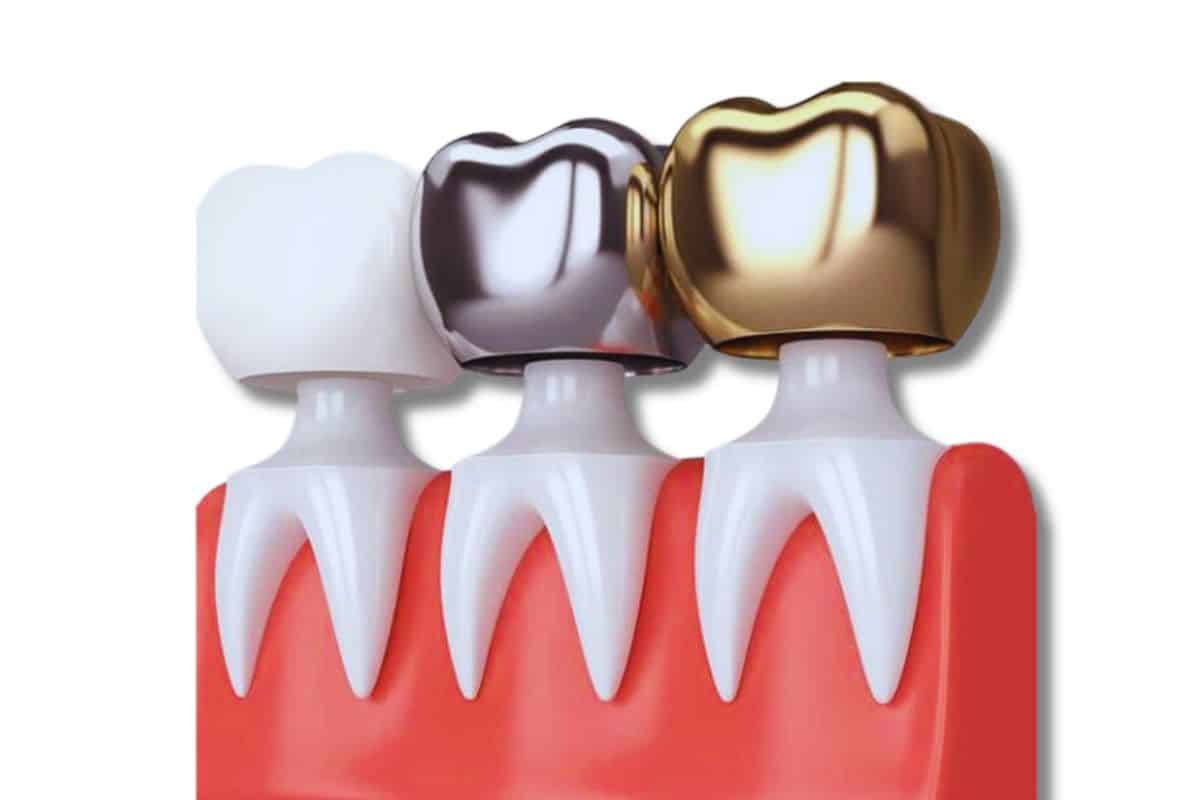
A dental crown is a tooth-shaped cap that fits over a damaged or decayed tooth to restore its shape, size, and strength. Crowns are often used when a tooth has undergone extensive decay, has been weakened by a large filling, or is cracked or fractured. Crowns can be made from various materials, including porcelain, ceramic, metal, or a combination of these, each offering different benefits in terms of appearance and durability.
Is the Procedure for Getting a Crown Painful?
The thought of dental work can sometimes trigger anxiety, but the good news is that getting a dental crown is generally not painful. Here’s what you can expect during the procedure:
Before the Procedure: Anesthesia to Keep You Comfortable
The first thing to know is that you will be numbed before the procedure begins. Local anesthesia is administered to the area around the tooth being treated, ensuring that you won’t feel any pain during the procedure. You may feel some pressure or slight vibrations as the dentist works on your tooth, but there should be no sharp pain.
For patients who experience dental anxiety, sedation options may also be available to help you relax. Talk to your dentist about your concerns to determine if sedation is the right option for you.
During the Procedure: A Step-by-Step Process
The dental crown process typically involves two visits to the dentist:
- Preparation Visit:
During the first visit, the dentist will clean the affected tooth, remove any decay, and shape it to fit the crown. This process may require some trimming of the tooth, which can cause mild discomfort, but anesthesia will prevent pain. Once the tooth is shaped, impressions are taken to create a custom crown. - Placement Visit:
At your second visit, the dentist will place the permanent crown over your tooth. The fit is checked, and any necessary adjustments are made. The crown is then bonded to the tooth using a dental adhesive.
While the procedure itself isn’t painful, you might experience some mild discomfort after the local anesthesia wears off.
What About After the Procedure?
After getting a dental crown, it’s normal to experience some mild discomfort or sensitivity, but it should be manageable. Here’s what you can expect and how to deal with any discomfort:
Mild Sensitivity
It’s common for your tooth and gums to feel sensitive for a few days after the procedure. This is especially true if the tooth had significant decay or damage that was addressed during the crown preparation. Sensitivity to hot or cold temperatures may also occur. This discomfort should gradually subside within a few days to a week.
Soreness in the Gums
The area around the tooth may feel sore or tender due to the local anesthesia and the slight irritation from the dental work. This is usually mild and can be alleviated with over-the-counter pain relievers such as ibuprofen or acetaminophen.
Discomfort from the Bite
In some cases, your bite may feel a little off after the crown is placed. This can happen if the crown is too high or too low, causing uneven pressure when you chew. If you experience this, contact your dentist to have the crown adjusted for proper alignment.
How Long Does Recovery Take?
The recovery time after getting a dental crown is typically quick. Most patients return to normal activities immediately after the procedure, although it’s best to avoid chewing hard or sticky foods for the first 24 hours. This allows the dental adhesive to fully set and ensures that the crown stays in place.
If your dentist used a temporary crown between visits, you may need to be more cautious with food choices until the permanent crown is placed. Be sure to follow any specific instructions your dentist gives you regarding post-procedure care.
Managing Pain and Discomfort During Recovery
While most patients experience only mild discomfort after getting a crown, there are steps you can take to manage any pain or sensitivity:
- Over-the-Counter Pain Relievers:
Non-prescription medications like ibuprofen or acetaminophen can help manage any discomfort in the days following the procedure. Be sure to follow the recommended dosage instructions. - Avoiding Hard and Sticky Foods:
For the first few days, try to avoid hard or sticky foods that might irritate your new crown or put undue pressure on it. - Salt Water Rinse:
A warm saltwater rinse can help soothe any inflammation or irritation around the gums after the procedure. Rinse several times a day to keep the area clean and promote healing. - Cold Compress:
If you experience swelling or discomfort, applying a cold compress to the outside of your face near the treated area can reduce swelling and numb the area.
When to Contact Your Dentist
While discomfort after a crown procedure is common, certain signs may indicate that there’s a problem and require immediate attention:
- Severe pain or throbbing
- The crown feels loose or falls off
- Unusual swelling or bleeding in the gums
- Difficulty chewing or biting due to misalignment
If you notice any of these issues, contact your Gilbert dentist right away to ensure that the crown is functioning properly.
In general, the process of getting a dental crown is not painful, especially with the use of local anesthesia and modern techniques that prioritize patient comfort. While you may experience some mild discomfort or sensitivity afterward, this is temporary and can be managed with simple pain relief methods.
The benefits of a dental crown far outweigh the short-term discomfort, as crowns restore the function and appearance of damaged teeth, improving both your oral health and your smile. If you have any concerns or questions about the procedure or recovery, don’t hesitate to speak with your dentist to ensure a smooth and comfortable experience.
