
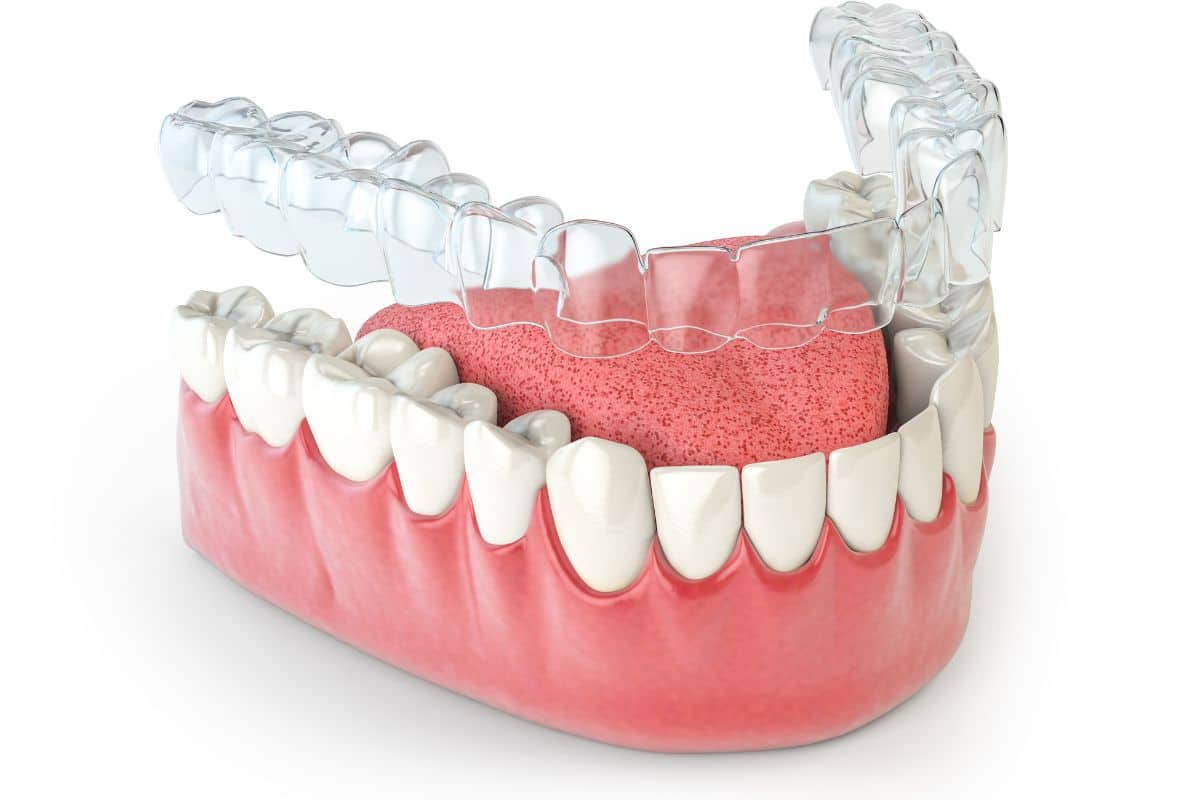
Invisalign aligners are a discreet and effective way to straighten teeth, but like any orthodontic treatment, proper care is essential to maintain gum health. Gum recession—a condition where the gum tissue pulls away from the teeth—can occur if oral hygiene and aligner care are neglected. Here’s how you can prevent gum recession while using Invisalign and maintain a healthy smile.
1. Maintain Excellent Oral Hygiene
Proper cleaning of your teeth and gums is crucial during Invisalign treatment.
- Brush after meals: Use a soft-bristled toothbrush and fluoride toothpaste to remove food particles and plaque. Pay special attention to the gumline.
- Floss daily: Plaque buildup between teeth can contribute to gum irritation and recession. Floss at least once a day to remove debris.
- Use mouthwash: An antimicrobial mouthwash can help reduce bacteria in your mouth, promoting healthy gums.
2. Clean Your Aligners Regularly
Invisalign aligners can trap bacteria if not cleaned properly, potentially leading to gum issues.
- Rinse your aligners frequently: Rinse them with lukewarm water before reinserting to remove saliva and food particles.
- Brush your aligners gently: Use a soft brush and clear, non-abrasive soap or an Invisalign cleaning solution to clean them daily.
- Avoid hot water: High temperatures can warp the aligners, affecting their fit and function.
3. Wear Aligners as Directed
Properly following your orthodontist’s instructions ensures your treatment progresses smoothly and reduces the risk of gum problems.
- Avoid overwearing aligners: Removing aligners for meals and oral hygiene breaks prevents bacterial buildup that could harm your gums.
- Do not skip aligner changes: Worn or ill-fitting aligners can exert uneven pressure on your teeth, potentially irritating your gums.
4. Address Teeth Grinding or Clenching
Bruxism (teeth grinding or clenching) can worsen gum recession by putting excessive pressure on your teeth and gums.
- Monitor for signs: If you notice jaw pain, headaches, or worn aligners, consult your orthodontist.
- Consider night guards: If bruxism is an issue, your orthodontist may recommend a customized guard to protect your teeth and gums.
5. Visit Your Dentist Regularly
Routine dental visits are essential to prevent and address gum recession during Invisalign treatment.
- Schedule regular cleanings: Professional cleanings remove plaque and tartar, reducing the risk of gum disease.
- Monitor gum health: Your dentist can identify early signs of gum recession or inflammation and recommend solutions.
6. Avoid Harmful Habits
Certain habits can contribute to gum recession.
- Quit smoking: Smoking weakens gum tissue, making it more susceptible to recession.
- Limit sugary and acidic foods: These can contribute to gum irritation and decay.
- Avoid aggressive brushing: Use gentle strokes and avoid using hard-bristled toothbrushes that can wear away gum tissue.
7. Pay Attention to Gum Health Changes
During Invisalign treatment, monitor your gums for signs of potential problems.
- Look for symptoms: Redness, swelling, bleeding, or gum sensitivity can indicate gum disease or irritation.
- Act quickly: If you notice changes in your gum health, consult your dentist or orthodontist immediately.
With proper care, Invisalign can transform your smile while keeping your gums healthy. By maintaining good oral hygiene, cleaning your aligners, and addressing potential issues promptly, you can prevent gum recession and enjoy a confident, radiant smile.
For personalized advice on your Invisalign treatment, don’t hesitate to reach out to Ironwood Dental Care. Your gum health is key to your overall smile success!
