
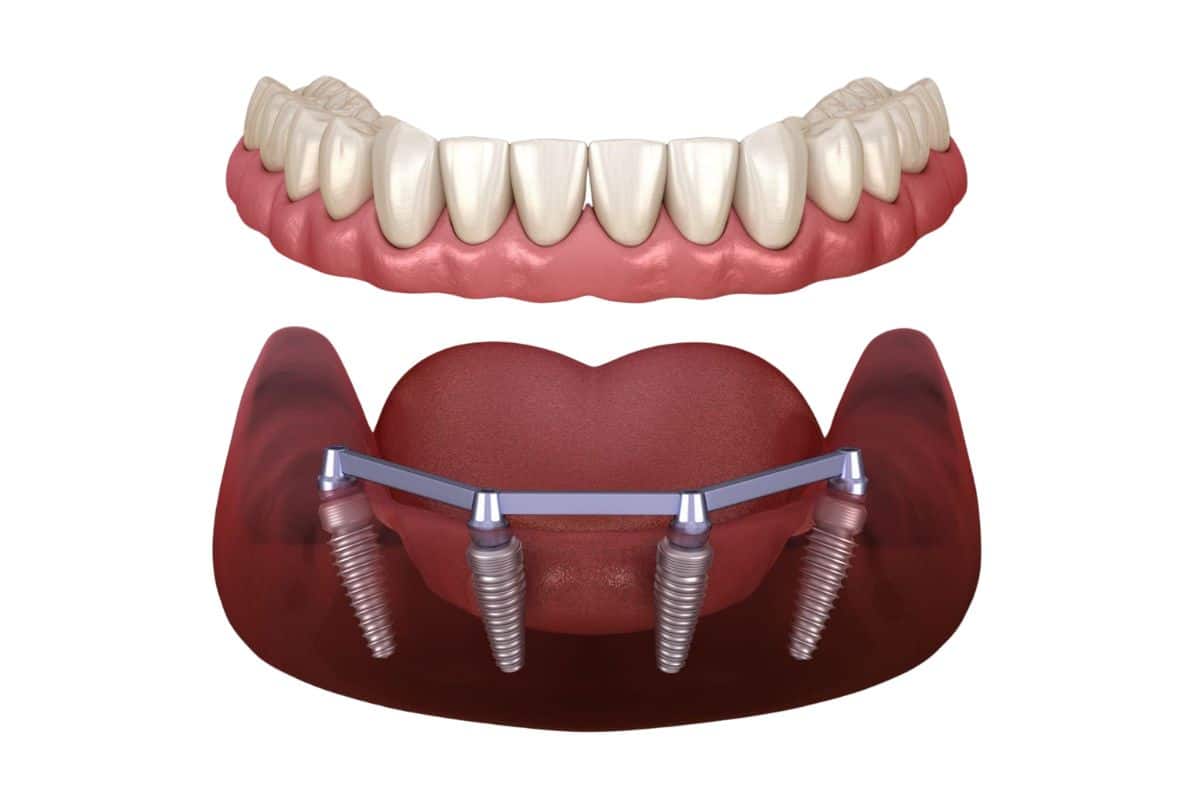
If you’re considering All-on-4 dental implants or have already scheduled your surgery, you’re probably wondering what the recovery process will be like. All-on-4 is a revolutionary technique that replaces a full arch of missing teeth using four strategically placed implants. While the results can be life-changing, proper recovery is crucial to achieving the best outcomes.
In this blog, we’ll walk you through everything you need about recovering after All-on-4 surgery—from the immediate post-op period to long-term healing and care.
What to Expect Immediately After Surgery
1. Initial Recovery Period (First 24–48 Hours)
After your surgery, you’ll likely feel groggy due to sedation or anesthesia. It’s normal to experience:
-
Swelling in the cheeks and jaw
-
Mild bleeding or oozing at the surgical site
-
Bruising on the face
-
Discomfort or pain, which can be managed with prescribed or over-the-counter pain medication
Most patients are sent home the same day with post-op instructions and temporary teeth in place.
2. Rest is Crucial
Take it easy for at least 48 hours. Avoid heavy lifting, bending, or strenuous activities that could increase blood pressure and lead to more bleeding or swelling.
Managing Discomfort and Swelling
Swelling usually peaks around day 2 or 3 and gradually decreases afterward. You can manage swelling and discomfort with the following tips:
-
Apply ice packs: Use an ice pack on the outside of your cheek for 15–20 minutes during the first 24–48 hours.
-
Elevate your head: Sleep with your head slightly elevated to reduce inflammation.
-
Take medications as prescribed: Follow your dentist’s or oral surgeon’s instructions carefully.
Diet During Recovery
Your new teeth may look and feel great, but it’s essential to protect the surgical site as it heals.
Recommended Diet:
-
Days 1–3: Stick to a liquid or very soft diet (smoothies, broths, yogurt, mashed potatoes).
-
Weeks 1–2: Gradually introduce soft foods like scrambled eggs, soft pasta, and cooked vegetables.
-
Weeks 3–4: Continue with soft foods but begin to diversify your meals as tolerated.
Avoid hard, crunchy, or sticky foods for at least 2–3 months to protect the implants during the crucial osseointegration phase (when bone fuses with the implants).
Oral Hygiene After All-on-4 Surgery
Keeping your mouth clean is critical to avoid infections and support healing.
Best Practices:
-
Rinse gently: Use a prescribed or saltwater rinse to reduce bacteria without disturbing the surgical site.
-
Avoid brushing near the surgical area for the first few days.
-
Resume gentle brushing after 3–4 days with a soft-bristled toothbrush.
-
Avoid mouthwashes with alcohol, as they can irritate tissues and slow healing.
Your dentist may provide special cleaning tools to help maintain hygiene around your implants.
Follow-Up Visits
Post-op follow-up appointments are necessary to monitor your healing and ensure the implants are integrating correctly. During these visits, your dentist may:
-
Remove stitches (if non-dissolvable)
-
Examine the surgical sites for signs of infection
-
Adjust your temporary teeth for a better fit and comfort
Typically, after 3–6 months of healing, you’ll receive your final permanent teeth once the implants have fully integrated with your jawbone.
Possible Complications to Watch For
While All-on-4 has a high success rate, no surgery is without risk. Contact your dentist if you experience:
-
Excessive bleeding beyond the first 24 hours
-
Persistent or worsening pain
-
Signs of infection, such as pus, fever, or foul odor
-
Loose implants or temporary teeth
Prompt attention to any issues can prevent more serious complications.
Long-Term Care and Maintenance
Once fully healed and fitted with your permanent prosthetics, All-on-4 implants require routine maintenance just like natural teeth.
Tips for Long-Term Success:
-
Brush twice daily using a soft brush and non-abrasive toothpaste
-
Use a water flosser or interdental brushes to clean around implants
-
Visit your dentist every 6 months for professional cleanings and check-ups
-
Avoid smoking, which can increase the risk of implant failure
-
Wear a nightguard if you grind your teeth during sleep
With proper care, your All-on-4 implants can last 20 years or more.
Emotional and Functional Recovery
Besides physical healing, recovery also involves adjusting emotionally and functionally to your new teeth.
Emotional Recovery:
It’s common to feel overwhelmed or emotional after major dental work. Give yourself time to adapt and focus on the long-term benefits—restored confidence, improved speech, and the ability to eat a wider range of foods.
Functional Recovery:
Speech and eating may feel awkward initially. Most patients adapt within a few weeks with practice and patience.
All-on-4 dental implants offer a durable, life-changing solution for those with missing or failing teeth. While the recovery process requires time, patience, and proper care, the rewards are well worth the effort. Knowing what to expect can help ease anxiety and prepare you for a smooth healing journey.
Always follow your dental team’s instructions closely and attend all scheduled follow-ups to ensure your implants remain strong and functional for years to come.
Ready to take the next step?
If you’re considering All-on-4 implants, consult with a qualified implant dentist or oral surgeon to discuss whether you’re a good candidate and what to expect during your unique recovery process.
