
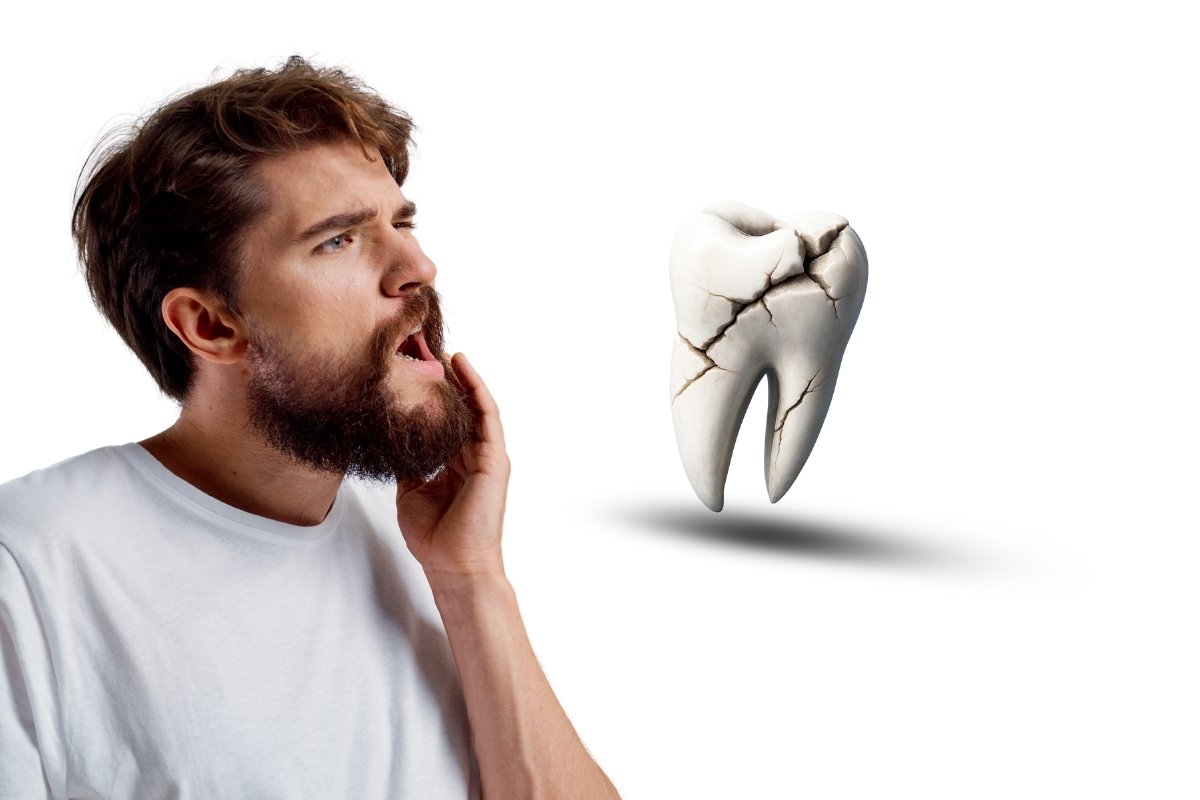
Cracked teeth are a common dental problem that can lead to severe pain, sensitivity, and even tooth loss if left untreated. Choosing the right treatment is essential for protecting your oral health and preserving your natural smile. Two common dental solutions for cracked teeth are root canals and crowns, but understanding their differences and benefits can help you make an informed decision.
Understanding Cracked Teeth
A cracked tooth occurs when a fracture develops in the enamel, the protective outer layer of the tooth. Cracks can range from tiny hairline fractures to deeper splits that extend into the pulp—the soft tissue inside the tooth that contains nerves and blood vessels. Symptoms may include pain while chewing, sensitivity to hot or cold, and sometimes swelling or infection if bacteria reach the inner pulp.
Not all cracked teeth require immediate intervention, but untreated cracks can worsen over time, leading to decay, infection, or even tooth loss. This is where dental treatments like root canals and crowns come into play.
What is a Root Canal?
A root canal is a procedure designed to treat infection or damage in the pulp of a tooth. During the treatment, your dentist removes the infected pulp, cleans the inside of the tooth, and seals it to prevent further infection.
Benefits of a Root Canal:
- Preserves the natural tooth structure.
- Relieves pain caused by infection or inflammation.
- Prevents the spread of infection to surrounding teeth or gums.
However, while a root canal eliminates infection, it doesn’t restore the strength of a cracked tooth. A tooth that has undergone a root canal can become more brittle over time and may require additional protection to prevent further damage.
What is a Crown?
A dental crown is a custom-made cap that fits over a damaged or weakened tooth. Crowns are typically made of porcelain, ceramic, or metal and provide both aesthetic and structural protection.
Benefits of a Crown:
- Shields protect cracked or weakened teeth from further damage.
- Restores chewing function and appearance.
- Distributes bite forces evenly to prevent additional fractures.
Crowns are often used in conjunction with root canal treatment for cracked teeth that have compromised pulp. After the root canal removes infection, a crown strengthens the tooth and protects it from future fractures.
Root Canal vs Crown: Which Offers Better Protection?
The answer depends on the severity and location of the crack:
- Minor Cracks: If the crack doesn’t reach the pulp, a crown alone may suffice to prevent further damage.
- Deep Cracks Affecting the Pulp: A root canal is necessary to remove infection, followed by a crown to provide structural protection.
- Multiple Cracks or Weak Teeth: Combining a root canal and a crown is often the most reliable solution for long-term durability.
In general, crowns provide superior protection for cracked teeth by reinforcing the structure, while root canals address underlying infection. Many dentists recommend combining the two treatments for optimal results.
When to See a Dentist
If you experience persistent pain, sensitivity, or visible cracks, it’s crucial to seek professional care promptly. Early intervention can save your tooth and prevent costly complications later.
You can visit our office at 35 W Combs Rd #102, Queen Creek, AZ 85140 for a comprehensive evaluation. Our experienced dental team will assess your cracked tooth and recommend the treatment that offers the best protection for your smile. Don’t wait for a cracked tooth to become a serious problem. Schedule a consultation at our dental office to explore whether a root canal, crown, or a combination of both is the right solution for you. Safeguard your teeth and enjoy long-lasting oral health with expert dental care.
FAQs
1. Can a cracked tooth heal on its own?
No, cracked teeth do not heal naturally. Early treatment is essential to prevent infection, worsening fractures, or tooth loss.
2. How long does a crown last on a treated tooth?
With proper care, dental crowns can last 10–15 years or longer. Regular dental checkups and good oral hygiene are key to longevity.
3. Is a root canal painful?
Modern root canal procedures are performed under local anesthesia, making them virtually painless. Most patients report relief from pain after the treatment.
