
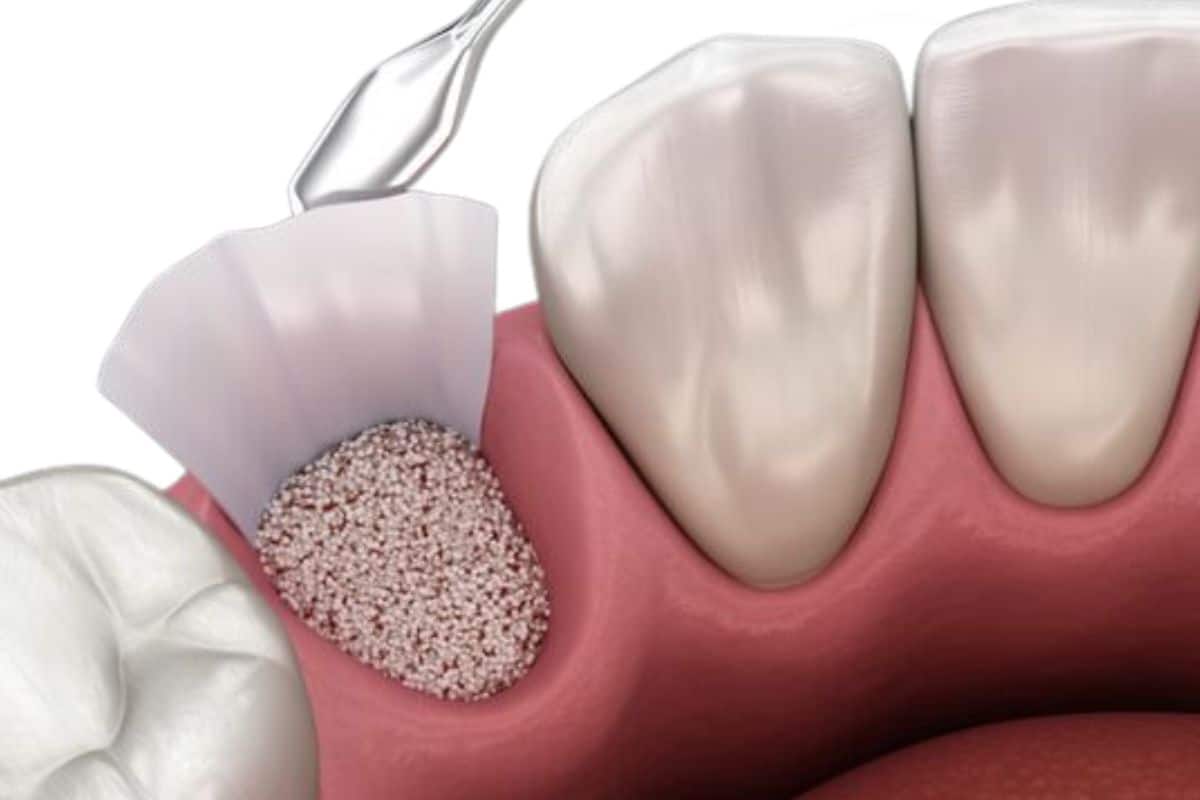
Bone grafting is a common procedure in orthopedic surgery, used to replace or repair damaged or missing bone. Whether due to trauma, disease, or bone degeneration, bone grafts help promote healing, stabilize joints, or restore function in areas where bone is insufficient. There are different types of bone grafts, each with its unique applications, advantages, and considerations. In this blog, we’ll explore the main types of bone grafts used in orthopedic surgery and when they might be needed.
What is a Bone Graft?
A bone graft involves transplanting bone tissue or a bone substitute to support bone regeneration or repair. The goal of a bone graft is to create a stable framework for new bone growth, providing structural support, filling voids, or stimulating bone healing in areas that are too damaged or weak to heal on their own.
Bone grafts are often used in cases such as:
- Fracture Repair: When a fracture is too complex or slow to heal, a bone graft can be used to stimulate new bone growth and provide stability.
- Spinal Fusion: In spinal surgery, bone grafts can help fuse vertebrae to reduce pain from degenerative disc disease or other spine conditions.
- Joint Reconstruction: Bone grafts can be used to repair or rebuild damaged joints, such as in knee, hip, or shoulder surgeries.
- Bone Defects: Bone grafting is often necessary when there is a defect due to trauma, infection, or disease (such as osteomyelitis or bone tumors).
Types of Bone Grafts in Orthopedic Surgery
There are four main types of bone grafts used in orthopedic surgery:
1. Autograft (Autogenous Bone Graft)
An autograft is bone tissue taken from the patient’s own body. It is usually harvested from a donor site, such as the hip (iliac crest), ribs, or another part of the body where bone is abundant. The harvested bone is then transplanted to the site that needs grafting.
- Advantages:
- Autografts contain living bone cells (osteocytes) and growth factors that promote new bone formation (osteogenesis).
- There is no risk of immune rejection because the graft comes from the patient’s own body.
- Autografts are considered the gold standard for bone grafting because they provide the best results in terms of bone healing.
- Disadvantages:
- Harvesting the bone from the patient requires an additional surgical procedure, which can lead to pain, infection, or complications at the donor site.
- There is a limited amount of bone available for harvesting.
- Common Uses: Autografts are often used in spinal fusions, fracture repair, and reconstructive surgeries where bone growth is crucial.
2. Allograft
An allograft involves using bone tissue from a donor (another person), usually obtained from a tissue bank. The donor bone is thoroughly processed, sterilized, and tested to ensure its safety before being transplanted into the patient.
- Advantages:
- Allografts do not require harvesting bone from the patient, eliminating the need for a second surgical site.
- They are available in larger quantities and a variety of shapes and sizes.
- They are particularly useful for large bone defects or when autograft tissue is insufficient.
- Disadvantages:
- Allografts do not contain living bone cells, so they rely on the patient’s own body to integrate and replace the graft with new bone over time.
- There is a small risk of immune rejection or transmission of infection, although this is rare due to the rigorous screening process.
- Common Uses: Allografts are commonly used in joint reconstruction, spinal fusions, and to fill large bone defects after trauma or tumor removal.
3. Xenograft
Xenografts are bone grafts derived from animal sources, typically from cows (bovine) or pigs (porcine). The animal bone is treated and sterilized to ensure that it is safe for human use.
- Advantages:
- Xenografts provide a readily available source of bone material for grafting.
- They can be used in situations where large quantities of bone are needed.
- Disadvantages:
- Like allografts, xenografts do not contain living bone cells, so the patient’s body must slowly replace the graft material with new bone over time.
- There is a small risk of immune reaction or transmission of diseases, although modern processing techniques minimize this risk.
- Common Uses: Xenografts are more commonly used in dental and maxillofacial surgeries but may also be used in orthopedic procedures that require bone void filling.
4. Synthetic Bone Graft
Synthetic bone grafts are man-made materials designed to mimic the structure and function of natural bone. They can be made from various materials, including ceramics (like calcium phosphate or hydroxyapatite), bioactive glass, or polymers. Synthetic grafts provide a scaffold for new bone growth (osteoconduction).
- Advantages:
- Synthetic bone grafts eliminate the risk of disease transmission or immune rejection.
- They are readily available and can be manufactured in large quantities and different forms (such as granules, blocks, or putty).
- Some synthetic materials can be bioactive, meaning they can stimulate bone healing and growth.
- Disadvantages:
- Synthetic grafts do not contain living bone cells, so they may not promote bone growth as effectively as autografts.
- Some synthetic materials may degrade over time and need to be replaced with natural bone.
- Common Uses: Synthetic bone grafts are often used in spinal surgeries, fracture repair, and joint reconstruction where smaller bone defects need filling.
Choosing the Right Bone Graft
The type of bone graft used in an orthopedic procedure depends on several factors, including:
- Size and Location of the Bone Defect: Larger defects may require allografts or synthetic materials, while smaller defects might be treated with autografts.
- Patient’s Health Condition: Certain conditions, like osteoporosis or autoimmune diseases, may affect the body’s ability to integrate a graft.
- Surgeon’s Preference and Experience: Surgeons may have preferences based on their experience with specific types of bone grafts and their success rates.
Bone grafting is a vital part of many orthopedic procedures, offering a solution for repairing or rebuilding bone that is damaged, missing, or weakened. With various types of bone grafts available—including autografts, allografts, xenografts, and synthetic grafts—surgeons can choose the best option based on the patient’s needs and the specific condition being treated. If you or your child is facing a procedure that requires a bone graft, consult your orthopedic surgeon about which type of graft is most appropriate for your situation and how it can aid in the recovery process.
