
Dental implants are one of the most effective and long-lasting solutions for replacing missing teeth. They offer unmatched stability, natural appearance, and functional benefits—but not every patient is immediately ready for the procedure. One of the most common prerequisites for successful implant placement is bone grafting. If your dentist has recommended bone grafting before getting dental implants, it’s important to understand why this step is necessary and how it contributes to the long-term success of your restoration.
This blog explores what bone grafting is, why it’s needed, the different types of grafts, and what to expect during the process.
What Is Bone Grafting?
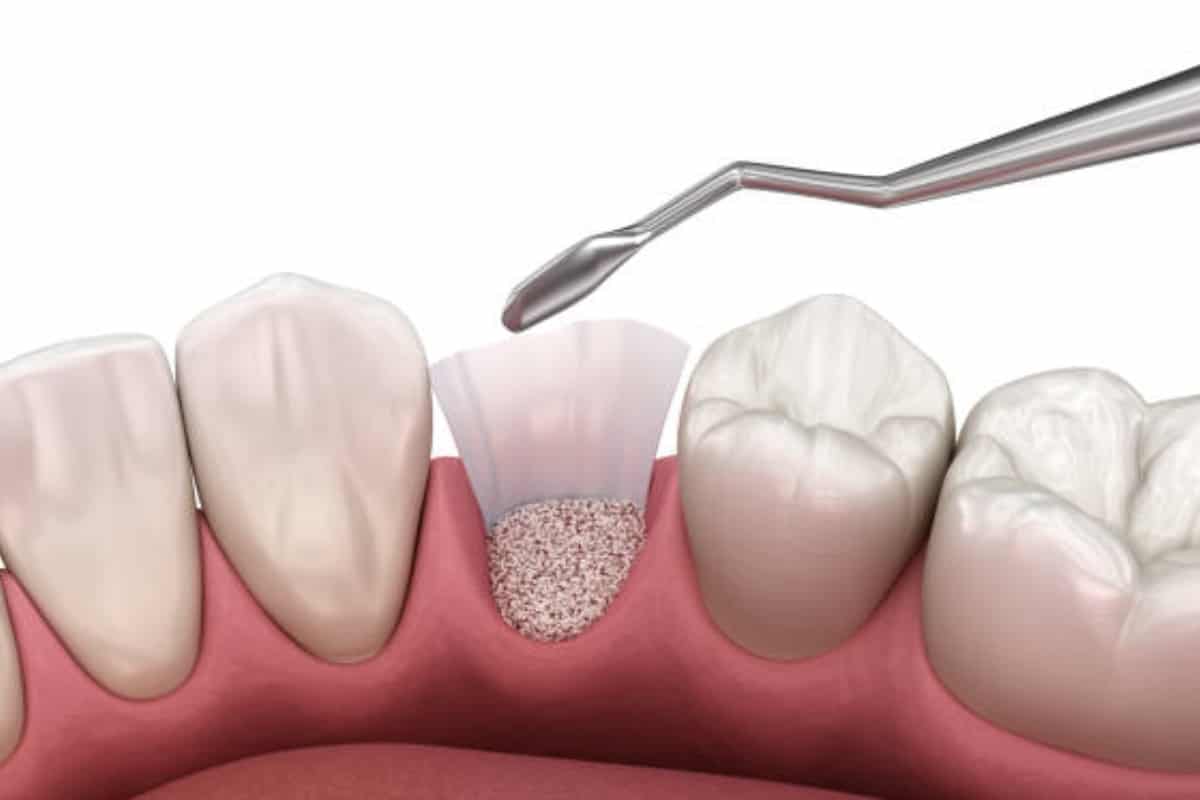
Bone grafting is a dental procedure used to restore or regenerate bone in areas where it has deteriorated or is lacking in volume. In the context of dental implants, the goal of bone grafting is to create a strong and stable foundation in the jaw to support the implant post.
When a tooth is lost, the jawbone underneath begins to shrink—a process known as bone resorption. Over time, this can lead to a significant loss of bone height and width, making it impossible to place an implant securely. Bone grafting helps rebuild this lost bone, allowing for safe and successful implant placement in the future.
Why Is Bone Grafting Necessary Before Dental Implants?
1. Insufficient Bone Volume
To place a dental implant, there must be enough bone in the jaw to support it. Without sufficient volume, the implant may not integrate properly with the jawbone, leading to implant failure. Bone grafting increases bone mass in areas that have become too thin or soft.
2. Preventing Implant Complications
Dental implants rely on a process called osseointegration—where the titanium post fuses with the jawbone. If the bone structure isn’t adequate, the implant may become loose, unstable, or even fall out over time. Bone grafting helps avoid these complications by ensuring a solid base.
3. Restoring Bone Lost from Gum Disease or Trauma
Bone loss doesn’t only occur from tooth extraction. Periodontal disease, facial trauma, or severe infection can also deteriorate bone. Grafting rebuilds these areas and prepares them for future restorative procedures.
4. Improving Facial Aesthetics and Oral Health
When bone volume is lost in the jaw, it can change your facial structure—leading to sunken cheeks and a prematurely aged appearance. Bone grafting helps preserve your facial contours and supports adjacent teeth, improving overall oral health and aesthetics.
Types of Bone Grafts Used in Dental Implant Procedures
There are several types of bone grafts used depending on the patient’s condition, preferences, and the dentist’s recommendation:
-
Autograft: Bone is taken from your own body, often from the chin or hip.
-
Allograft: Donor bone sourced from a tissue bank.
-
Xenograft: Bone from an animal source, typically bovine (cow).
-
Alloplast: Synthetic materials used to stimulate bone growth.
Each type has its own advantages, and your dentist or oral surgeon will choose the most suitable option based on your individual needs.
What to Expect During the Bone Grafting Procedure
Bone grafting is typically performed under local anesthesia, sometimes with sedation for comfort. The procedure involves:
-
Making a small incision in the gum tissue.
-
Placing the grafting material into the targeted area.
-
Securing the graft and suturing the gums.
-
Allowing several months for the graft to integrate and regenerate bone.
Healing time can range from 3 to 6 months, depending on the extent of grafting and the patient’s overall health. Once the graft has healed and sufficient bone has formed, the site is ready for implant placement.
Is Bone Grafting Painful?
Most patients report minimal discomfort during and after the procedure. Any pain can typically be managed with over-the-counter or prescribed pain medication. Mild swelling and soreness are normal and usually subside within a few days. Your dentist will provide post-op care instructions to ensure a smooth recovery.
Who Needs Bone Grafting Before Dental Implants?
You may need bone grafting if:
-
You’ve had a missing tooth for several months or years.
-
You’ve experienced trauma or infection in the jaw area.
-
You suffer from advanced gum disease.
-
A previous dental extraction left a significant bone void.
-
A 3D scan or X-ray shows insufficient bone for implant support.
Your dentist will perform a thorough evaluation, including imaging, to determine if bone grafting is necessary before moving forward with implants.
Invest in the Foundation of a Lasting Smile
While bone grafting may sound intimidating, it’s a routine and highly beneficial procedure that paves the way for long-term success with dental implants. By rebuilding lost bone, it allows you to enjoy the full benefits of implant dentistry—stability, function, and a beautiful smile. If you’re considering implants and want to know whether bone grafting is right for you, don’t wait. Book an appointment now to schedule a personalized consultation and get the expert care your smile deserves.
