
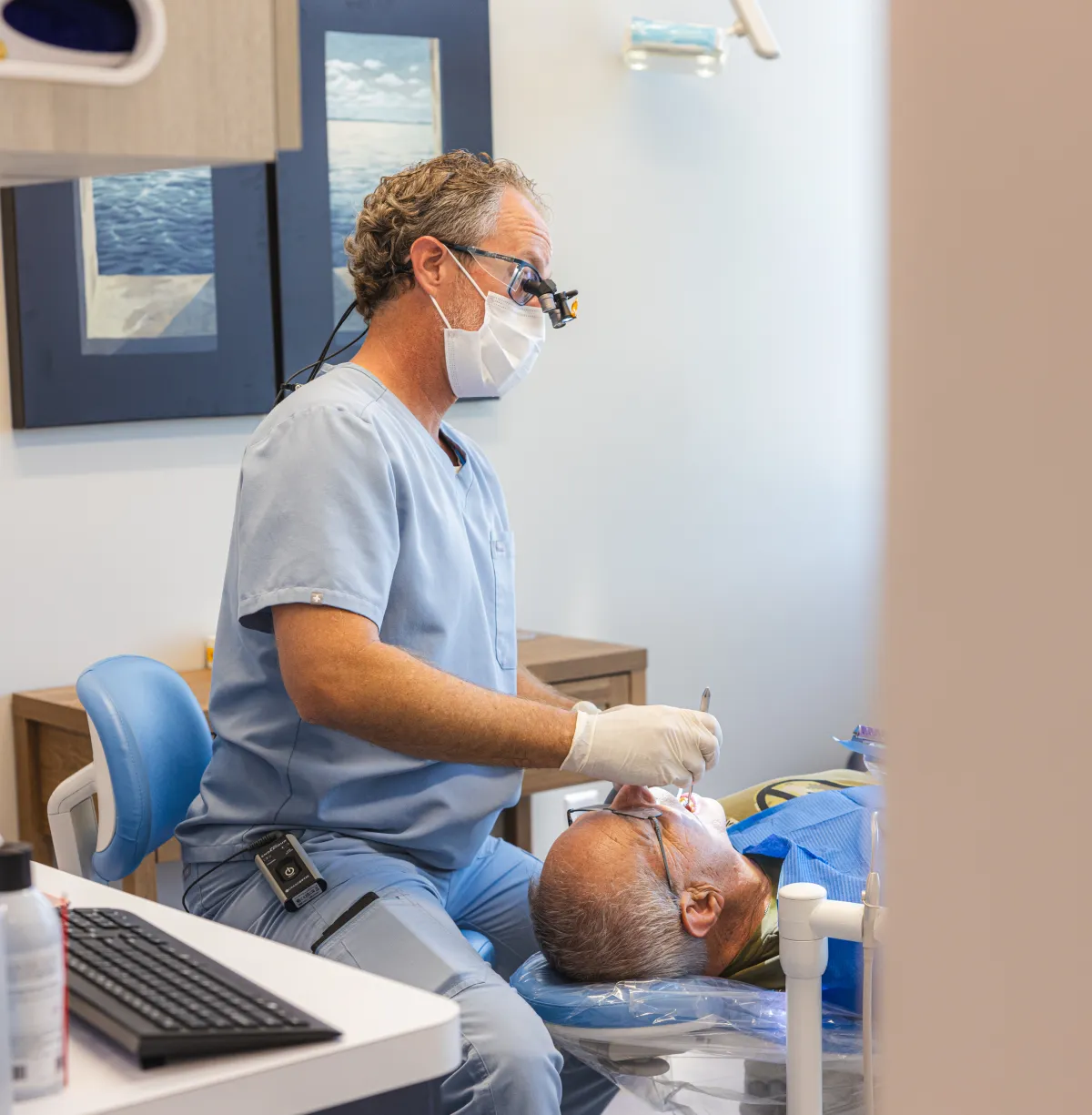
Dental emergencies can strike at any moment, causing excruciating pain and requiring immediate attention. In such critical situations, the services of an emergency dentist become invaluable. In this blog, we’ll cover the role of an emergency dentist, the types of dental emergencies they handle, and why you should be aware of this essential service. Emergency dentists are equipped to manage a range of urgent issues, from severe toothaches to traumatic injuries. Understanding how to identify these emergencies and knowing when to seek professional help can make a significant difference in preserving your dental health.
Understanding The Role Of An Emergency Dentist
An emergency dentist is a dental professional who specializes in providing immediate care for urgent dental issues outside of regular office hours. These professionals are equipped to handle a range of dental emergencies, offering swift and effective solutions to alleviate pain, prevent further damage, and save teeth.
Common Dental Emergencies:
- Severe Toothache: A sudden and intense toothache can be debilitating. It may be indicative of an underlying issue such as an infection or a damaged tooth. An emergency dentist can identify the cause of the pain and provide appropriate treatment to relieve discomfort.
- Knocked-Out Tooth: Accidents happen, and a knocked-out tooth requires immediate attention. The chances of saving the tooth increase significantly if re-implantation is done within the first hour. An emergency dentist is trained to handle such situations promptly.
- Cracked or Broken Teeth: Facial trauma or biting into hard objects can result in cracked or broken teeth. Emergency dentists can assess the extent of the damage and employ techniques like bonding or crowns to restore the tooth’s structure.
- Lost Dental Crown or Filling: A lost dental crown or filling can expose the sensitive inner layers of the tooth, leading to pain and increased vulnerability. Emergency dentists can replace or repair these restorations to protect the tooth.
- Abscess or Infection: Dental infections can be extremely painful and may lead to systemic health issues if left untreated. An emergency dentist can drain abscesses and prescribe antibiotics to address the infection promptly.
When To Seek The Services Of An Emergency Dentist
- Unbearable Pain: Persistent and severe tooth pain that over-the-counter medications cannot alleviate is a clear sign to seek emergency dental care. Ignoring such pain may lead to complications.
- Trauma or Injury: If you experience a blow to the face or mouth resulting in a knocked-out tooth or damaged dental structures, it’s crucial to visit an emergency dentist immediately.
- Swelling or Bleeding Gums: Swollen or bleeding gums can be indicative of an underlying issue, such as an infection or gum disease. Emergency dentists can address the root cause and provide appropriate treatment.
- Sudden Changes In Oral Health: Any abrupt changes in your oral health, such as the onset of persistent bad breath, swelling, or unusual sensitivity, should be promptly evaluated by an emergency dentist.
Why Residents Should Know About Emergency Dentistry
Having access to emergency dental services is vital for maintaining oral health and addressing urgent issues promptly. Dental emergencies can happen at any time, and knowing where to turn for immediate care can make a significant difference in preserving oral function and preventing long-term damage.
Residents should familiarize themselves with local emergency dentists, such as those in the Queen Creek emergency dentist network, to ensure they have a reliable source of urgent dental care when needed. Proximity to emergency dental services is essential, as it allows for swift intervention in critical situations.
Understanding the role of an emergency dentist and recognizing when to seek their services is crucial for maintaining optimal oral health. Dental emergencies can be unpredictable, and having access to prompt and professional care can make all the difference in preserving your smile. By staying informed and knowing where to turn in times of need, residents can ensure that their dental emergencies are addressed efficiently and effectively.
