
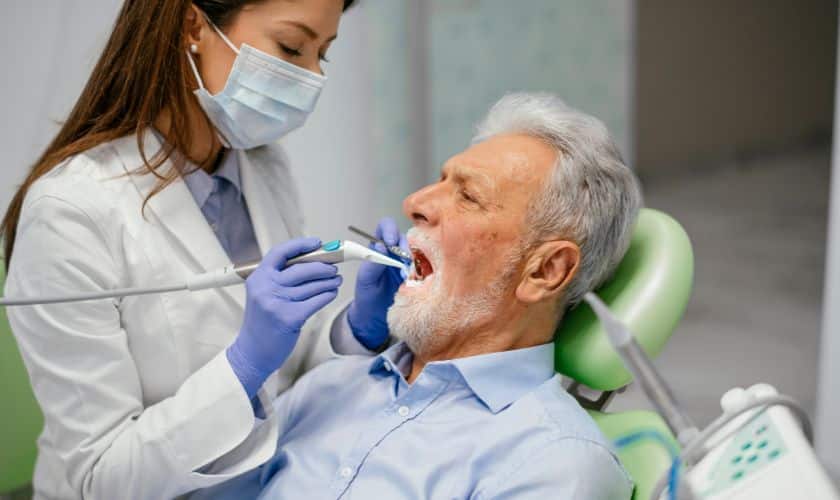
Dental emergencies can be distressing, often accompanied by pain that requires immediate attention. When faced with dental discomfort before reaching an emergency dentist, it’s essential to know how to manage the pain effectively. In this comprehensive guide, we’ll explore valuable tips for alleviating dental pain and promoting comfort until you can receive professional emergency dentistry.
Recognizing Dental Emergencies: Identifying Urgent Situations
Understanding what constitutes a dental emergency is the first step in managing pain. Issues such as severe toothaches, broken teeth, knocked-out teeth, or injuries to the mouth are typically considered dental emergencies. Recognizing the urgency of the situation helps prioritize pain management strategies while awaiting emergency dentistry.
Over-The-Counter Pain Relief: Temporary Relief For Discomfort
Over-the-counter pain relievers, such as ibuprofen or acetaminophen, can provide temporary relief from dental pain. Follow the recommended dosage instructions and consult with a healthcare professional if you have any existing medical conditions or concerns. These medications can help manage pain until you can consult with an emergency dentist for a more comprehensive assessment and treatment plan.
Cold Compress Application: Minimizing Swelling And Pain
For dental emergencies involving swelling or trauma, applying a cold compress to the affected area can be beneficial. The cold helps reduce inflammation and numb the area, providing relief from pain. Use a clean cloth or ice pack wrapped in a thin towel and apply it to the outside of the affected cheek for intervals of 15-20 minutes. Avoid applying ice directly to the skin to prevent frostbite.
Rinsing With Warm Saltwater: Soothing Irritated Gums And Teeth
Rinsing the mouth with warm salt water is a simple yet effective home remedy for dental pain. Mix a teaspoon of salt in a glass of warm water and swish the solution in your mouth for about 30 seconds before spitting it out. This helps soothe irritated gums, reduce inflammation, and provide temporary relief until you can seek emergency dentistry in Queen Creek.
Topical Anesthetics: Numbing The Affected Area
Over-the-counter topical anesthetics, such as benzocaine gels, can be applied to the affected area to numb the pain temporarily. Use a cotton swab to apply the gel directly to the sore or painful area, following the product’s instructions. While this method offers short-term relief, it’s essential to consult with an emergency dentist for a thorough evaluation and appropriate treatment.
Elevating The Head: Managing Pain Associated With Swelling
Elevating the head while sleeping or resting can help manage pain associated with dental swelling. Prop yourself up with an extra pillow to reduce blood flow to the head and minimize swelling. This position can be especially helpful for individuals experiencing discomfort due to oral injuries or infections, until they can consult with an emergency dentist.
Avoiding Trigger Foods And Drinks: Preventing Further Discomfort
Certain foods and drinks, such as hot, cold, sweet, or acidic items, can exacerbate dental pain. While waiting for emergency dentistry, avoid consuming trigger foods and opt for a soft, bland diet that is gentle on the teeth and gums. This precaution helps prevent additional discomfort and potential aggravation of dental issues.
Gentle Flossing: Addressing Pain Caused By Debris
If dental pain is attributed to lodged debris or food particles between teeth, gentle flossing may provide relief. Use a soft dental floss and carefully navigate between teeth to remove any trapped material. Avoid aggressive flossing, as it may worsen the situation. If pain persists, consult with an emergency dentist to address the underlying cause.
Applying Clove Oil: A Natural Analgesic Option
Clove oil has natural analgesic properties and can be applied topically to the affected area for temporary pain relief. Mix a few drops of clove oil with a carrier oil, such as olive oil, and apply it using a cotton ball to the sore tooth or gums. While this method offers relief, it’s essential to consult with an emergency dentist for a thorough evaluation and appropriate treatment.
Keeping Emergency Dentistry Contact Information Handy: Preparedness Matters
Preparedness is crucial in managing dental emergencies. Keep the contact information of an emergency dentist readily available. This ensures that you can promptly reach out for professional assistance when needed. Many dental practices provide emergency contact numbers for after-hours care, offering peace of mind in unexpected situations.
While managing dental pain at home can provide temporary relief, it’s essential to seek professional assistance promptly. Contact an emergency dentist for a thorough evaluation, diagnosis, and appropriate treatment. Dental emergencies require the expertise of a trained professional to address the underlying issues effectively. By combining home-based pain management strategies with timely professional care, individuals can navigate dental emergencies with the goal of minimizing discomfort and protecting their oral health.
If you’re experiencing severe tooth pain, swelling, or injury, schedule your appointment with our emergency dental team today or visit us at 35 W Combs Rd #102, Queen Creek, AZ 85140 for immediate care.
