
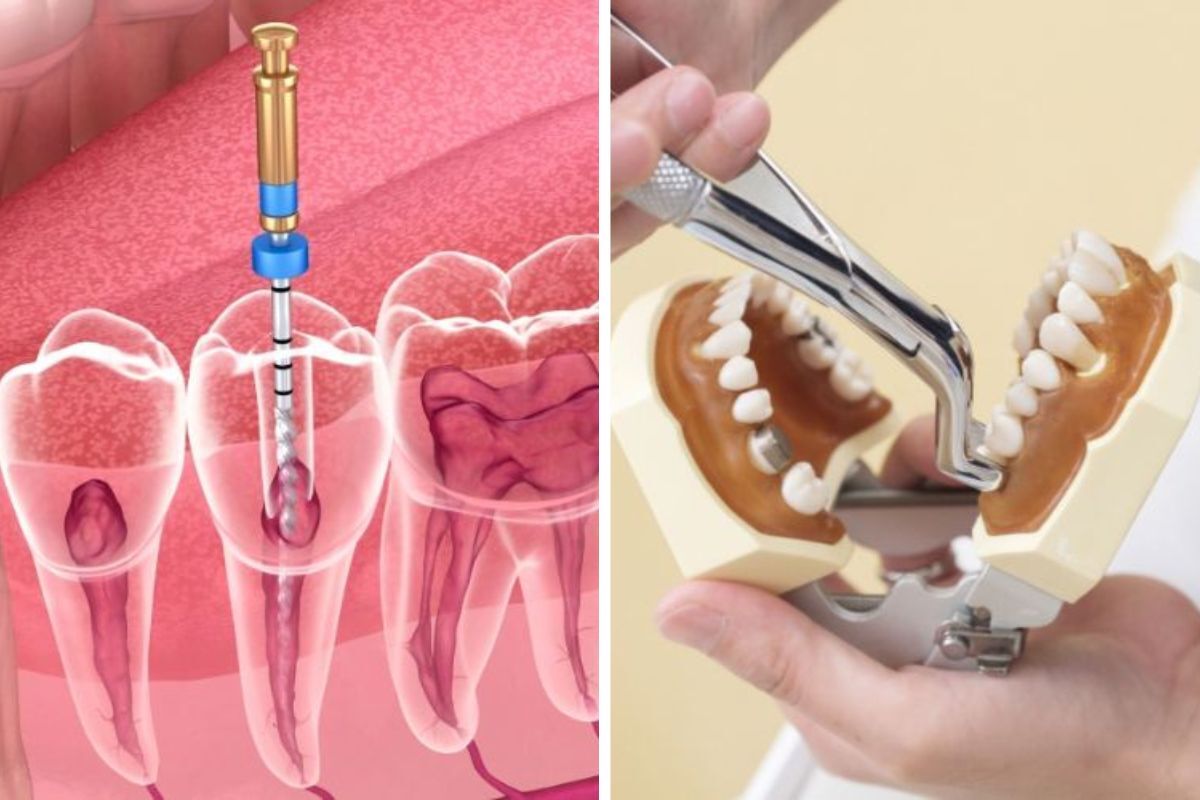
A damaged tooth rarely creates a simple decision. One day, it may feel like mild sensitivity when drinking coffee. A few weeks later, it can become persistent discomfort that affects meals, sleep, and daily routines. At that point, many people hear two possible recommendations: save the tooth or remove it.
What makes this choice challenging is that the consequences often extend far beyond immediate pain relief. The decision can affect chewing ability, bite balance, long-term oral health, and future dental needs. Many patients naturally wonder whether removing the tooth is the fastest path forward. Others want to know if preserving the natural tooth is truly worth the effort.
The answer depends on several factors, but one fact remains consistent. Natural teeth play an important role in overall oral health. For patients considering root canal therapy in Gilbert, understanding the benefits and limitations of both options can help make the best decision for their smile today and years from now.
Why Do Dentists Usually Try to Save a Natural Tooth First?
Modern dentistry is built around preserving healthy tooth structure whenever possible.
Natural teeth are uniquely designed to handle chewing forces, maintain alignment, and support overall function. Even the most advanced dental restorations cannot fully replicate every characteristic of a natural tooth.
When a damaged tooth can be preserved, it often provides several advantages:
- Better chewing efficiency
- Natural bite function
- Preservation of jawbone stimulation
- Reduced risk of neighboring teeth shifting
- Greater long-term stability
Saving a tooth is not simply about avoiding removal. It is about maintaining the natural foundation of a healthy smile whenever conditions allow.
What Actually Happens During a Root Canal Procedure?
Many patients associate this treatment with outdated stories that no longer reflect modern dentistry.
In reality, the goal is straightforward. The infected tissue inside the tooth is removed while preserving the outer structure. The interior is then cleaned, disinfected, and sealed to prevent future bacterial contamination.
This approach allows the tooth to remain in place rather than being removed.
Key benefits often include:
- Saving a natural tooth
- Tooth infection treatment
- Dental pain relief
- Protection of surrounding teeth
- Preservation of normal chewing function
Most patients are surprised to learn that the procedure is often performed to relieve discomfort rather than create it.
Could Removing a Tooth Solve the Problem Faster?
In some situations, yes. Removing a severely damaged tooth immediately eliminates the source of infection or discomfort. For teeth with extensive fractures or advanced structural damage, removal may be the most predictable solution.
However, solving the immediate problem does not necessarily mean the oral health journey ends there.
Once a tooth is removed, the mouth begins adapting to the empty space. Neighboring teeth may gradually shift, chewing forces can change, and future restorative decisions often become necessary.
This is why dentists look beyond the immediate issue when recommending treatment options.
When Is Tooth Removal Actually the Better Choice?
There are situations where preservation is no longer practical.
A dentist may recommend removal when:
The Tooth Has Severe Structural Damage
If too much healthy tooth structure has been lost, restoration may not provide predictable long-term results.
A Fracture Extends Below the Gumline
Certain cracks compromise stability and make preservation difficult.
Significant Bone Support Has Been Lost
Healthy support structures are essential for maintaining long term function.
Infection Has Caused Extensive Damage
Advanced cases sometimes leave limited options for restoration.
The goal is always to choose the solution that provides the healthiest long-term outcome.
Could Losing One Tooth Affect More Than That Single Area?
Absolutely! Every tooth plays a role within a larger system. When one tooth is removed, the surrounding teeth often begin to adapt to the new space.
Potential consequences may include:
- Bone loss
- Changes in bite alignment
- Uneven chewing forces
- Increased wear on neighboring teeth
- Difficulty chewing certain foods
These changes may develop gradually, making them easy to overlook initially.
This is one reason dentists often recommend preserving natural teeth whenever possible.
How Does Each Option Affect Long-Term Oral Health?
This question often becomes the deciding factor.
A preserved tooth continues to stimulate the surrounding bone and maintain its natural function. It helps support balance throughout the mouth and reduces the likelihood of neighboring teeth shifting.
Removing a tooth successfully eliminates the immediate problem, but it may create additional decisions regarding future replacement and long-term maintenance.
For many patients evaluating root canal therapy in Gilbert, preserving the natural tooth offers advantages that extend well beyond the original treatment itself.
That does not mean removal is the wrong choice. It simply means that both short-term and long-term effects deserve careful consideration.
Why Does Jawbone Health Matter More Than Most People Realize?
Many patients focus on the visible portion of the tooth. The jawbone beneath it is equally important. Natural tooth roots stimulate the surrounding bone during chewing. This stimulation helps maintain bone density and structural support over time. When a tooth is removed, that stimulation decreases. Over the years, the area may experience gradual changes that affect overall oral health. Preserving a healthy tooth helps maintain this important relationship between the tooth and the supporting bone.
What Role Does Lifestyle Play in the Decision?
Lifestyle influences oral health more than many people expect.
Families in Gilbert often maintain active schedules filled with youth sports, community events, outdoor activities, and weekends spent enjoying places such as the Riparian Preserve at Water Ranch or Downtown Gilbert.
People with active lifestyles typically value solutions that support long term reliability and function.
When evaluating treatment options, dentists often consider:
- Current oral health
- Daily habits
- Long term goals
- Bite function
- Future oral health needs
The best solution is not always the quickest solution. Often, it is the one that supports years of comfortable function.
Could Waiting Too Long Limit Your Treatment Options?
Yes, and this is an important consideration.
A damaged tooth often becomes more difficult to preserve as time passes. Infection can spread, structural damage can worsen, and healthy tissue may continue to deteriorate.
Many teeth that could have been saved earlier become significantly more challenging to restore after months of delay.
Seeking evaluation promptly provides more opportunities to preserve healthy structures and maintain future options.
This principle applies whether the concern involves pain, infection, sensitivity, or visible damage.
Which Option Usually Feels More Natural Years Later?
The answer is often the preserved natural tooth. Natural teeth contain specialized structures that help regulate biting pressure and chewing forces. These structures contribute to comfort and function throughout daily life.
When preservation is possible, many patients appreciate the ability to continue using their original tooth without significant changes to chewing habits or bite patterns.
While modern restorative dentistry offers excellent solutions, maintaining a healthy natural tooth remains a valuable advantage whenever feasible.
What Questions Should Be Asked Before Making a Decision?
Before choosing between preservation and removal, several questions should be considered:
Is the Tooth Restorable?
The amount of healthy remaining structure matters significantly.
What is the long-term prognosis?
The goal should be lasting oral health, not temporary relief.
How Will This Affect Neighboring Teeth?
Changes in spacing and bite alignment should be evaluated.
What Supports Overall Oral Health Best?
Every case is unique and requires individualized assessment.
A comprehensive examination provides the information needed to make a confident decision.
Protect Your Smile With a Decision Built for the Future
Choosing between saving a tooth and removing it is about more than addressing today’s symptoms. It is about protecting the health, function, and stability of your smile for years to come.
At Ironwood Dental Care, we believe every patient deserves a clear understanding of their options before making an important decision. Our team carefully evaluates each situation, explains the benefits and limitations of every approach, and focuses on solutions that support long-term oral health. We are committed to helping patients make informed choices with confidence.
If you are facing a decision about whether to preserve a damaged tooth or have it removed, we encourage you to visit our dental office in Gilbert for a comprehensive evaluation. Through root canal therapy in Gilbert, many patients can maintain their natural teeth, preserve healthy oral function, and avoid challenges associated with tooth loss. Our team is here to help guide you toward the solution that best supports your smile and your future oral health.
Frequently Asked Questions (FAQs)
1. Can a dead tooth stay in the mouth without causing problems?
A tooth with damaged internal tissue may remain symptom-free for a period of time. However, bacteria can still develop within the tooth and increase the risk of infection or damage to surrounding tissue.
2. Does removing a tooth affect facial structure over time?
Missing teeth can contribute to gradual changes in the supporting jawbone. As bone volume decreases, subtle changes in facial appearance and oral function may occur over the years.
3. How long can a treated tooth last after a root canal?
A properly restored tooth can remain functional for many years with consistent oral hygiene and regular dental care. Long-term success often depends on the amount of healthy remaining tooth structure.
4. Can an infected tooth cause headaches or jaw pain?
Dental infections and inflammation may create pressure that radiates beyond the affected tooth. Some individuals experience discomfort in the jaw, face, ear, or surrounding muscles.
5. Is preserving a natural tooth generally better than replacing one?
Natural teeth provide unique sensory feedback and help maintain normal chewing patterns. Whenever preservation is possible and predictable, maintaining natural tooth structure is often beneficial for long-term oral health.
