
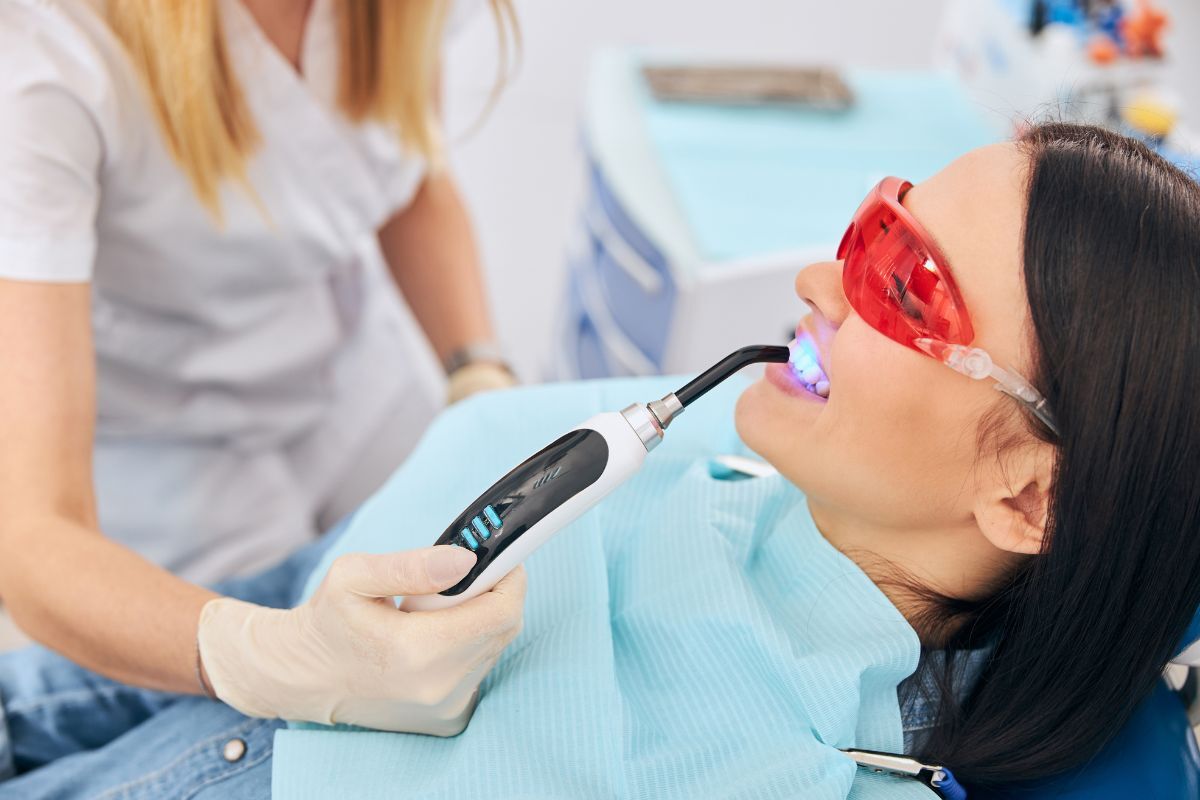
A bright, radiant smile can dramatically elevate your confidence, transform your appearance, and leave a lasting first impression. Whether you are preparing for a major life event or simply seeking to refresh your everyday look, professional whitening treatments remain one of the most effective, safe, and high-impact cosmetic dental procedures available today. However, before investing in a brighter smile, almost every patient asks one central question: How long does professional teeth whitening last?
On average, professional whitening results last anywhere from one to three years. Unlike over-the-counter whitening strips or abrasive toothpaste that only scrub away mild surface stains, clinical-grade whitening treatments penetrate beneath the enamel to break down deeply embedded discoloration. However, the exact lifespan of your brightened smile depends significantly on your lifestyle habits, dietary choices, oral hygiene routines, and natural enamel composition.
At Ironwood Dental Care – Cooley Station, our experienced team, led by Dr. Brent Stanley, Dr. Dominic Tam, and Dr. Jade Gottschalk, provides customized clinical treatments designed to give our patients vibrant, long-lasting aesthetic results. In this comprehensive guide, our dental team breaks down everything you need to know about whitening longevity, what causes fading, and how to maintain your glowing smile for years to come.
Understanding the Lifespan: How Long Do Results Realistically Last?
When considering teeth whitening in Gilbert, it is essential to understand that no whitening treatment, whether performed in a dental clinic or bought in a retail store, is permanently stain-proof. Your natural teeth are porous, meaning they continually interact with the foods, beverages, and environmental factors you expose them to daily.
Under optimal conditions, professional teeth whitening typically lasts between 12 and 36 months.
- In-Office Professional Treatments: Clinical-grade in-office whitening procedures yield immediate and dramatic results, often lightening teeth by 4 to 8 shades in a single hour. Because these treatments utilize higher concentrations of active peroxide gel activated by specialized light technology, results generally last 1 to 3 years with proper maintenance.
- Custom Professional Take-Home Kits: Custom-fitted whitening trays provided by a dentist allow for gradual, even whitening using professional gels. When used as directed, take-home tray results typically last 1 to 2 years, especially when saved for periodic touch-ups.
- Over-the-Counter (OTC) Products: Commercial whitening strips, whitening pens, and charcoal toothpastes typically yield results that last only 1 to 6 months. Because OTC products use low-strength peroxide formulas, they primarily remove extrinsic surface stains rather than deep intrinsic discoloration.
Why Professional Teeth Whitening Outlasts Over-the-Counter Alternatives
Many patients wonder why professional care lasts so much longer than over-the-counter solutions. The difference lies in chemical formulation, application precision, and overall enamel safety.
Higher Concentration of Active Ingredients
Over-the-counter products are regulated for general consumer use without clinical supervision. Consequently, they contain relatively low concentrations of hydrogen peroxide or carbamide peroxide (usually 3% to 10%). In contrast, professional treatments utilize clinical-grade bleaching agents with concentrations ranging from 25% to 40%. This allows our team to lift tough, deep-set intrinsic stains caused by aging, coffee, or former medication use.
Custom Fit vs. One-Size-Fits-All
Generic whitening strips and pre-filled trays rarely fit an individual’s unique dental arch perfectly. This leads to uneven gel distribution, missed spots, and saliva contamination that weakens the bleaching gel. Custom-designed professional trays seal tightly around every tooth contour, keeping the powerful whitening agent in direct contact with your enamel while protecting your delicate gums from irritation.
Comprehensive Oral Health Evaluation
Before administering any whitening treatment, a dentist evaluates your enamel health, existing restorations, and gum condition. Applying whitening agents over active cavities, cracked teeth, or gum recession can cause severe pain and uneven bleaching. By ensuring your mouth is completely healthy prior to treatment, your whitening results develop evenly and endure far longer.
Primary Factors That Influence How Long Your Teeth Stay White
No two smiles respond to whitening in the exact same way. How long your bright smile lasts depends on a combination of biological factors and daily personal habits:
Dietary Choices
What you eat and drink plays the single largest role in determining how quickly discoloration returns. Pigmented foods and beverages contain compounds called chromogens and tannins, which bind to tooth enamel and dull its luster over time.
- Major Culprits: Dark coffee, black tea, red wine, dark sodas, soy sauce, tomato-based sauces, curry, and dark berries (such as blueberries and blackberries).
- Acidic Content: Citrus fruits, sports drinks, and vinegar-based dressings weaken enamel temporarily, making it easier for staining pigments to penetrate deeper into the tooth structure.
Tobacco and Nicotine Use
Smoking, chewing tobacco, or vaping liquids containing nicotine significantly shortens the lifespan of your whitening treatment. Tar creates dark brown or black deposits on teeth, while nicotine mixes with oxygen to form stubborn yellowish stains that rapidly diminish your whitening investment.
Oral Hygiene Habits
Bacterial plaque constantly forms on the surfaces of your teeth. If plaque is allowed to accumulate through inconsistent brushing and flossing, it absorbs stains from your food and hardens into yellow or brown tartar (calculus). Brushing twice daily with a fluoride toothpaste and flossing every night is vital for sweeping away surface pigments before they settle into enamel pores.
Enamel Porosity and Age
As we grow older, the outer layer of enamel naturally thins due to wear, revealing the naturally yellowish dentin layer underneath. Additionally, individuals naturally possess varying degrees of enamel porosity. Patients with higher enamel porosity absorb pigments faster, necessitating more frequent touch-ups.
Practical Ways to Extend Your Whitening Results
You don’t have to give up all your favorite foods and drinks to keep a brilliant smile. By following a few dentist-recommended post-care habits, you can protect your investment and maintain a luminous smile for years.
- Follow the “White Diet” for 48 Hours: Immediately after a professional whitening treatment, your tooth pores remain open and highly susceptible to staining. For the first two days, stick strictly to clear or light-colored foods such as chicken, white fish, rice, pasta with white sauce, cauliflower, milk, and water.
- Sip Dark Liquids Through a Straw: When enjoying iced coffee, tea, or dark sodas, use a straw to minimize contact between dark liquids and your front teeth.
- Rinse with Water Immediately: If you indulge in coffee, red wine, or berries, swish vigorously with water right afterward to flush away staining pigments before they adhere to your enamel.
- Schedule Regular Dental Cleanings: Visiting your hygienist every six months ensures that tough surface stains, surface plaque, and tartar build-up are professionally polished away, keeping your smile bright.
- Utilize Custom Touch-Up Trays: Keep your custom-fitted trays and dentist-provided gel on hand. Performing a short touch-up session every 6 to 12 months will refresh your shade seamlessly without over-bleaching.
Professional Whitening at Ironwood Dental Care – Cooley Station
At Ironwood Dental Care – Cooley Station, we believe that every patient deserves a healthy, radiant smile that reflects their inner vitality. Serving our vibrant local community, our practice combines cutting-edge dental technology with a compassionate, patient-centered approach.
If you are exploring your options for teeth whitening in Gilbert, our practitioners offer customized whitening solutions tailored specifically to your aesthetic goals, schedule, and sensitivity levels. Whether you prefer the dramatic, fast results of an in-office treatment before a major celebration or the convenience of a professional take-home kit, our team provides safe, reliable care that prioritizes your long-term oral health. To learn more about our comprehensive cosmetic and family dental offerings, visit the official Ironwood Dental Care website.
Whether you are looking to reverse years of coffee stains or simply want to elevate your smile’s natural brilliance, booking a personalized consultation with our team is the best place to start. We thoroughly examine your teeth and gums, discuss your whitening goals, and select the precise treatment formulation to ensure comfortable, beautiful, and long-lasting results.
Frequently Asked Questions (FAQs)
Does professional teeth whitening damage tooth enamel?
No, professional teeth whitening performed under dental supervision does not damage tooth enamel. Clinical-grade peroxides safely penetrate the enamel’s microscopic pores to dissolve deep pigments without stripping or weakening the natural mineral tooth structure.
How often should I get a teeth whitening touch-up?
Most patients benefit from a professional whitening touch-up every 6 to 12 months. Using custom-fitted trays with dentist-supplied gel for a few days easily restores brilliance and reverses newly accumulated daily surface stains.
Can teeth whitening remove stains from crowns or veneers?
No, professional whitening agents are formulated specifically for natural tooth enamel. Synthetic materials like porcelain crowns, composite fillings, and veneers do not respond to bleaching gels, maintaining their original shade throughout the treatment.
What should I do if I experience tooth sensitivity after whitening?
Mild, temporary tooth sensitivity is common for 24 to 48 hours post-treatment. Using a desensitizing toothpaste containing potassium nitrate, avoiding extremely hot or cold beverages, and applying fluoride gel helps alleviate discomfort quickly.
Why are my teeth turning yellow again after whitening?
Teeth naturally yellow over time due to chromogens in foods, dark beverages, tobacco use, inadequate brushing, and aging. Daily consumption of coffee, wine, or tea gradually introduces new pigments into enamel pores.
Is in-office whitening better than custom take-home whitening kits?
Both options yield excellent results. In-office whitening offers immediate, dramatic results in just one appointment, while custom take-home kits achieve identical brightness gradually over one to two weeks in the comfort of your home.
Can I drink coffee after receiving professional teeth whitening treatment?
You should completely avoid coffee for at least 48 hours post-treatment while enamel pores close. Afterward, you may drink coffee moderately, ideally using a straw and rinsing with water immediately to prevent restaining.
