
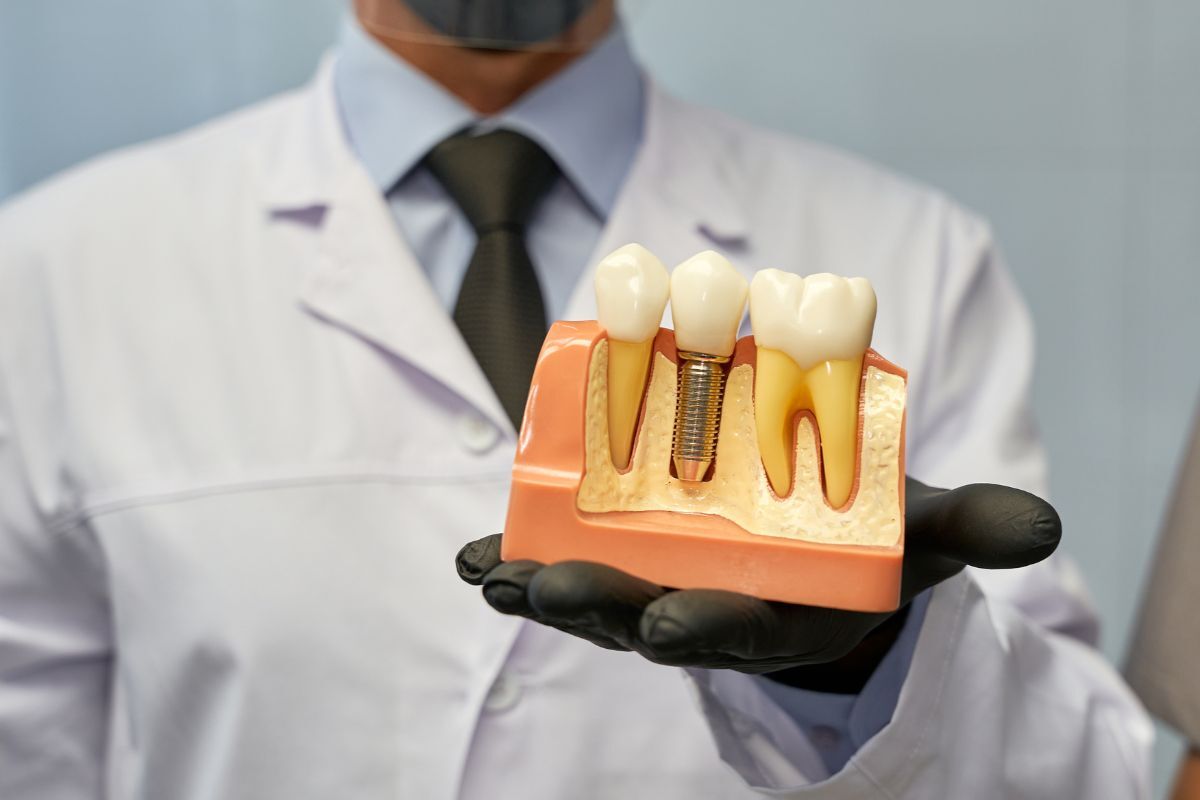
Losing a tooth can affect much more than the way your smile looks. It can make everyday activities like eating, speaking, and smiling feel uncomfortable or frustrating. If you smoke, you may wonder whether tooth implants are still an option or if tobacco use automatically disqualifies you from treatment.
The reality is that smoking does not always prevent you from receiving implants. However, it does increase the likelihood of complications during healing, making careful planning and ongoing care especially important. Understanding these risks before treatment allows you to make informed decisions and improve your chances of long-term success.
At Ironwood Dental Care, every patient receives a thorough evaluation based on their oral health, medical history, and treatment goals. If you are considering dental implants in Queen Creek, learning how smoking affects the process can help you prepare for a healthier recovery and a more predictable outcome.
How Tobacco Use Influences Implant Healing
Dental implants rely on your body’s natural healing ability. After an implant is placed, the surrounding bone must gradually bond with the titanium post, creating a secure foundation for the replacement tooth. This biological process depends on healthy blood flow and strong tissue repair.
Nicotine and other chemicals found in tobacco products narrow blood vessels, limiting the amount of oxygen and nutrients that reach healing tissues. As a result, recovery often takes longer, and the body may struggle to build the stable support an implant requires.
Some of the most common effects of smoking include:
- Reduced circulation within the gums
- Slower healing following surgery
- Increased risk of infection
- Greater inflammation around the implant site
- Less predictable bone healing
Although these factors increase treatment risks, they do not automatically mean implants are impossible. Proper treatment planning and patient cooperation play a significant role in improving outcomes.
Are Dental Implants an Option for People Who Smoke?
Many smokers successfully receive dental implants each year. Rather than focusing only on tobacco use, your dentist considers several aspects of your overall health before recommending treatment.
A comprehensive examination typically includes an assessment of:
- Bone volume and strength
- Gum health
- Signs of periodontal disease
- Daily tobacco use
- Medical conditions that may slow healing
- Current oral hygiene habits
Every patient presents a different clinical picture. Someone who smokes occasionally but maintains healthy gums may have different treatment considerations than someone with advanced gum disease or significant bone loss.
This individualized approach helps determine whether implant treatment is appropriate and whether additional care should be completed beforehand.
Why Bone Integration Is So Important
One of the most critical phases of implant treatment occurs after surgery, when the implant begins integrating with the jawbone. This process, known as osseointegration, creates the stable support needed for long-term function.
Because smoking reduces blood circulation, this healing stage may progress more slowly than normal. Limited oxygen delivery can interfere with bone regeneration, increasing the possibility that the implant will not become fully secure.
For this reason, many dentists encourage patients to stop or significantly reduce smoking before surgery and throughout the initial recovery period. Even temporary changes during healing may create a healthier environment for successful integration.
Following every postoperative instruction is equally important during these first several weeks.
Potential Risks Smokers Should Understand
Every dental procedure carries some level of risk. Smoking simply adds additional challenges that patients should understand before making treatment decisions.
Delayed Soft Tissue Recovery
Healthy gums play an important role in protecting tooth implants. Tobacco chemicals slow the repair of these tissues, meaning surgical sites often require additional time to heal completely.
Longer healing periods may also require additional follow-up appointments so your dentist can monitor recovery.
Increased Possibility of Implant Failure
Studies continue to show higher implant failure rates among smokers compared to nonsmokers. This does not guarantee failure, but it does highlight the importance of reducing controllable risk factors before treatment begins.
Patients who carefully follow professional recommendations often improve their chances of successful healing.
Greater Risk of Inflammation Around the Implant
Bacteria can collect around implants just as they do around natural teeth. Smoking makes it easier for inflammation to develop and harder for the body’s immune system to control infection.
Without timely treatment, this inflammation may gradually affect the surrounding bone and compromise implant stability.
Progressive Bone Loss
Long-term tobacco use may contribute to ongoing bone deterioration around the implant over time. Regular maintenance appointments allow your dental team to identify early changes before they become more serious.
Practical Ways to Improve Implant Success
Although smoking increases the complexity of treatment, there are several steps patients can take to support healing and protect their investment.
Helpful habits include:
- Stop or reduce smoking before implant surgery whenever possible.
- Avoid tobacco products during the early healing period.
- Brush and floss consistently every day.
- Attend all scheduled follow-up appointments.
- Eat a balanced diet that supports tissue repair.
- Contact your dental office if swelling or discomfort worsens.
- Take prescribed medications exactly as directed.
These simple actions encourage healthier healing conditions and can reduce the likelihood of complications throughout recovery.
Does Quitting Before Surgery Really Make a Difference?
Yes, even if quitting permanently is not immediately possible, reducing tobacco use before and after surgery can positively affect healing.
Improved blood circulation allows oxygen and nutrients to reach the surgical area more efficiently, helping the body repair tissue and strengthen the surrounding bone.
Dr. Stanley often discusses practical smoking reduction strategies with patients during treatment planning. Even modest lifestyle changes before surgery may improve recovery and contribute to a more successful implant outcome.
Recovery Habits That Help Protect Your Investment
The procedure itself is only one part of successful implant treatment. Healing continues for several months after surgery as the jawbone adapts to the implant and builds a stable foundation.
For smokers, following postoperative instructions closely is especially important because tobacco can slow the body’s natural recovery process. Staying committed to healthy habits during this period can make a noticeable difference in long-term results.
To support proper healing:
- Keep the surgical site clean using the techniques recommended by your dentist.
- Brush and floss carefully without disturbing the healing tissues.
- Choose softer foods until your dental team advises otherwise.
- Drink plenty of water throughout recovery.
- Avoid cigarettes and other nicotine products whenever possible.
- Attend every scheduled follow-up visit so healing can be monitored.
Patients who actively participate in their recovery are often better positioned for stable, long-lasting implant results.
What Kind of Outcome Can Smokers Expect?
Many smokers are surprised to learn that they can still achieve functional, natural-looking smiles with dental implants. While smoking increases treatment risks, it does not automatically prevent successful outcomes.
Long-term success depends on several factors working together, including:
- Consistent oral hygiene
- Healthy bone and gum tissues
- Routine professional dental care
- Following postoperative instructions
- Reducing tobacco use whenever possible
Modern implants are designed to restore both function and appearance. When properly maintained, they can help patients enjoy:
- Comfortable chewing
- Improved speech
- Better facial support
- Greater confidence while smiling
- Long-term stability
If you have been considering dental implants in Queen Creek, scheduling an evaluation is the first step toward understanding your current oral health and identifying any preparations that may improve treatment success.
Everyday Habits That Can Put Implant Healing at Risk
One aspect of implant recovery that often receives less attention is patient behavior after surgery. Certain everyday habits may interfere with healing and increase the chance of complications.
To protect your implant, avoid:
- Smoking immediately after surgery
- Missing scheduled follow-up appointments
- Ignoring persistent swelling or bleeding
- Inconsistent brushing and flossing
- Delaying treatment for gum disease
- Waiting too long to report unusual discomfort
Recognizing potential problems early allows your dental team to address them before they develop into more serious concerns.
Why Every Treatment Plan Should Be Personalized
No two patients have the same oral health, medical history, or lifestyle. While smoking is an important consideration, it is only one part of the overall evaluation.
Your dentist will carefully examine several factors before recommending treatment, including:
- Overall gum health
- Jawbone quality and volume
- Existing dental conditions
- Medical history
- Tobacco use patterns
- Long-term oral health goals
Some patients may benefit from treating gum disease before implant placement, while others may require procedures such as bone grafting to strengthen the implant site.
At Ironwood Dental Care, Dr. Stanley develops treatment recommendations based on each patient’s individual needs rather than applying the same approach to everyone. A comprehensive evaluation allows patients to fully understand their oral condition, discuss potential risks, and choose the treatment option that offers the greatest opportunity for long-term success.
Personalized Care for Your Implant Journey
Smoking presents additional challenges during implant treatment, but it does not automatically eliminate the possibility of replacing missing teeth successfully. Careful planning, healthy daily habits, and consistent professional care can significantly improve healing and help support lasting results.
At our dental practice in Queen Creek, every patient receives a comprehensive examination designed to identify the safest and most predictable treatment approach. Whether you currently smoke or are working toward reducing tobacco use, understanding your options is the first step toward restoring your smile.
If you are interested in learning whether dental implants in Queen Creek are right for you, schedule a consultation with our team today. We proudly serve patients throughout Queen Creek and the surrounding communities with honest guidance and personalized care at every stage of treatment.
Frequently Asked Questions
- Does smoking automatically prevent me from getting dental implants?
No, smoking alone does not automatically disqualify you from implant treatment. Your dentist will evaluate your gum health, bone quality, medical history, and other risk factors before determining whether implants are an appropriate solution for your smile.
- Why is smoking considered a risk during implant treatment?
Tobacco reduces blood circulation and limits the oxygen reaching healing tissues. This can slow recovery, interfere with bone attachment around the implant, and increase the likelihood of infection or inflammation during the healing process.
- Is it beneficial to stop smoking before my implant procedure?
Yes, even reducing tobacco use before surgery may improve your body’s healing response. Better circulation helps deliver nutrients and oxygen to the surgical area, creating more favorable conditions for bone and gum healing.
- How can I protect my dental implant after surgery if I smoke?
Following your dentist’s instructions is essential. Maintaining excellent oral hygiene, avoiding tobacco during recovery whenever possible, eating nutritious foods, and attending follow-up visits all help support healthy healing and long-term implant stability.
- Can vaping interfere with implant recovery?
Yes, most vaping products contain nicotine, which affects blood flow in much the same way as traditional tobacco products. Patients should discuss all nicotine use with their dentist before beginning implant treatment.
- What is the first step in finding out if I’m a candidate for dental implants?
The first step is scheduling a comprehensive consultation. Your dentist will perform a detailed examination, review your medical and dental history, evaluate digital images, and determine whether any preparatory treatment is needed before implant placement.
