
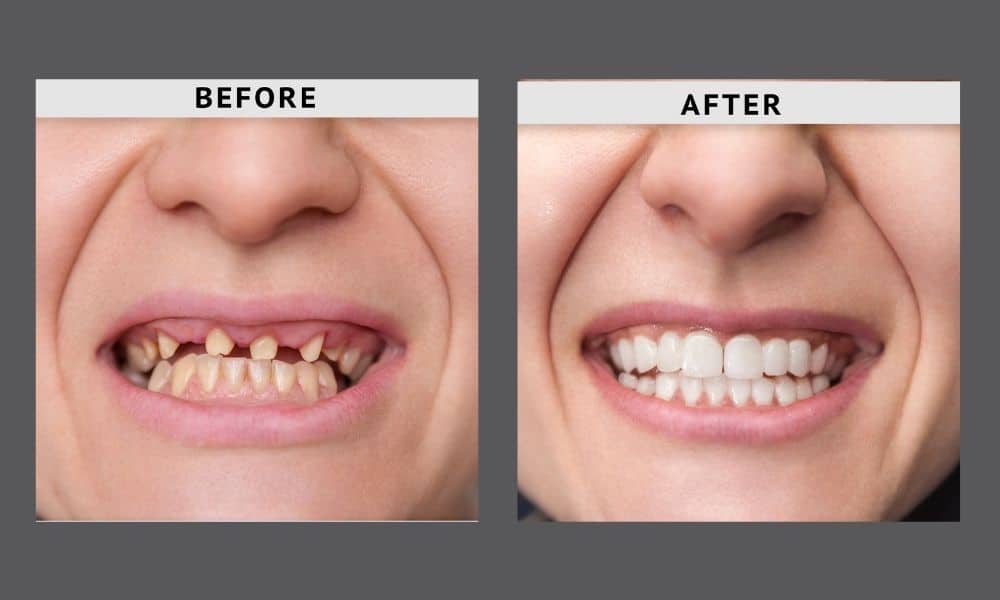
All-on-X dental implants are a revolutionary solution for patients who need a full arch of teeth replaced. This treatment provides a permanent, stable, and natural-looking alternative to traditional dentures, offering a significant improvement in both functionality and aesthetics. If you’re considering all-on-X dental implants, understanding what to expect before and after the procedure can help you make an informed decision and prepare for the journey ahead.
What Are All-on-X Dental Implants?
All-on-X refers to a dental implant procedure where “X” denotes the number of implants used to support a full arch of replacement teeth. Typically, four to six implants are strategically placed in the jawbone to support a full set of upper or lower teeth. This approach maximizes the use of available bone and provides a strong foundation for a permanent prosthesis.
Before the All-on-X Procedure
- Initial Consultation and Assessment
- The first step is a comprehensive dental evaluation. Your dentist or oral surgeon will examine your mouth, take X-rays, and may use 3D imaging to assess your jawbone’s density and structure. This evaluation helps determine if you’re a good candidate for All-on-X implants and allows for precise planning of the implant placement.
- Treatment Planning
- Based on your assessment, your dentist will create a customized treatment plan. This plan includes the number of implants needed, the placement strategy, and the type of prosthetic teeth that will be used. Your dentist will also discuss sedation options and the overall timeline for the procedure.
- Pre-Surgery Preparations
- Depending on your oral health, you may need preparatory treatments before the implant surgery. This could include tooth extractions, bone grafting (if necessary), or treatment for any existing dental conditions like gum disease. Your dentist will guide you through these steps to ensure your mouth is ready for the implants.
- Understanding the Procedure
- It’s essential to understand the All-on-X procedure itself. Typically, the surgery involves placing the implants in the jawbone, followed by attaching a temporary set of teeth. These temporary teeth allow you to function normally while the implants integrate with the bone, a process called osseointegration. After a healing period of a few months, your final prosthetic teeth will be attached to the implants.
The All-on-X Procedure
- Day of Surgery
- On the day of the surgery, you will be sedated to ensure comfort throughout the procedure. The surgeon will place the implants into your jawbone, positioning them at angles that maximize bone contact and stability. If you’re receiving All-on-4 implants, typically two implants will be placed at the front of the jaw, and two will be placed at the back, angled for optimal support.
- Temporary Prosthesis Placement
- After the implants are placed, a temporary prosthetic arch will be attached. This temporary set of teeth is functional and esthetic, allowing you to eat and speak while your gums and jawbone heal.
- Immediate Aftercare
- Post-surgery, you may experience some swelling, discomfort, or bruising. Your dentist will prescribe pain relievers and provide instructions for care, including how to manage swelling, what foods to eat, and how to maintain oral hygiene. It’s important to follow these guidelines closely to ensure a smooth recovery.
After the All-on-X Procedure
- Healing and Recovery
- The initial healing period lasts a few days to a week, during which you should rest and follow a soft food diet. Osseointegration, where the implants fuse with your jawbone, takes several months. During this time, your temporary teeth will allow you to function normally, but you should avoid hard or crunchy foods that could disturb the implants.
- Final Prosthetic Placement
- Once the implants have fully integrated with the jawbone, you will return to your dentist to have your final prosthetic teeth placed. These are custom-made to match your natural teeth in color, shape, and size, ensuring a natural-looking and comfortable fit.
- Long-Term Care and Maintenance
- Caring for your All-on-X implants is similar to caring for natural teeth. Regular brushing, flossing, and dental check-ups are essential to maintaining the health of your gums and the longevity of your implants. Your dentist will provide specific care instructions and may recommend additional tools, like water flossers or interdental brushes, to help you clean around the implants effectively.
The Transformative Results: Before and After
- Before: Patients who opt for All-on-X dental implants often struggle with missing, damaged, or failing teeth. This can lead to difficulties in eating, speaking, and socializing, as well as a loss of confidence. Traditional dentures, while a common solution, may not provide the comfort, stability, or natural appearance that many desire.
- After: After receiving All-on-X implants, patients typically experience a significant improvement in their quality of life. The permanent prosthetic teeth are securely anchored, offering the feel and function of natural teeth. You’ll be able to eat a wider variety of foods, speak clearly, and smile confidently without worrying about your teeth shifting or falling out. Aesthetic improvements are also profound, with the final prosthesis designed to complement your facial structure and restore your smile.
Is All-on-X Right for You?
All-on-X dental implants are an excellent option for individuals who have lost most or all of their teeth, or who are looking for a more stable alternative to traditional dentures. Ideal candidates are those with sufficient bone density, good overall health, and a commitment to maintaining their oral hygiene.
The transformation from before to after All-on-X dental implants can be life-changing. This procedure offers a durable, aesthetically pleasing, and functional solution for those in need of full arch replacement. By understanding what to expect throughout the process, you can approach your All-on-X journey with confidence and look forward to enjoying a restored smile that feels as good as it looks.
