
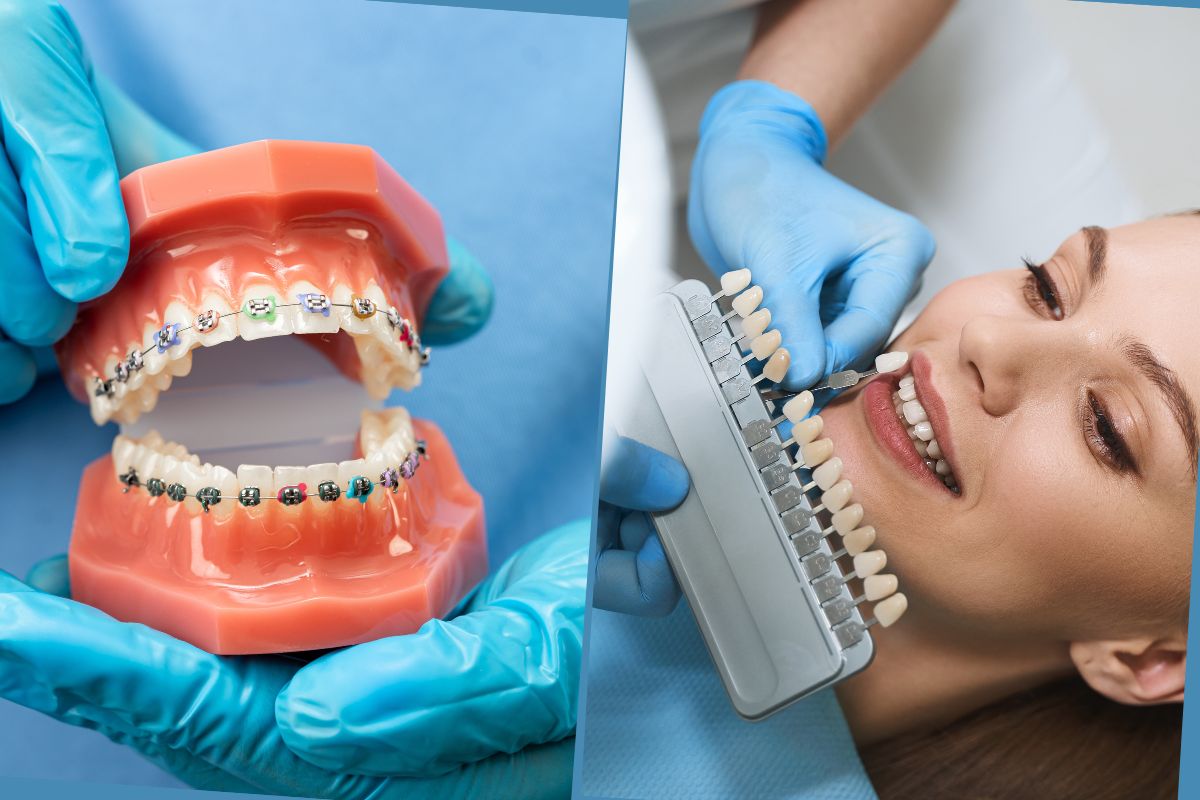
A healthy smile does more than improve appearance. It affects speech, comfort, confidence, and long-term oral health. Many people notice stained teeth, crowding, uneven spacing, or worn enamel and wonder which treatment actually solves the issue.
Cosmetic treatment and orthodontic care often overlap, but they serve different goals. Many residents want smile improvements before weddings, graduations, and seasonal community events. That often raises an important question about whether appearance concerns need cosmetic changes or alignment correction.
Some treatments improve the appearance of teeth. Others correct how teeth fit together. Understanding the difference helps patients choose the right care from the start. After the first consultation, many patients realize they need a combination of treatments instead of only whitening or straightening. A cosmetic dentist in Gilbert can help determine what creates the healthiest and most natural result based on your smile goals.
Ironwood Dental Care offers cosmetic, restorative, and Invisalign services designed to improve both appearance and function. Our team focuses on treatment planning that supports comfort, confidence, and long-term oral health.
Cosmetic Dentistry Focuses on Appearance Improvements
Learn how cosmetic treatment in Gilbert changes the visual appearance of teeth and smiles:
Teeth Whitening Improves Surface Stains
Coffee, tea, wine, and aging often darken enamel over time. Professional whitening targets discoloration and brightens teeth more evenly than store-bought products. Dental practices offer professional teeth whitening for patients who want a cleaner and brighter appearance.
Veneers Change Shape and Symmetry
Veneers cover the front surface of teeth. They improve chips, discoloration, uneven edges, and minor gaps. Many patients choose veneers when they want a more balanced smile without extensive procedures.
Cosmetic Treatment Usually Works Faster
Many cosmetic procedures deliver visible changes quickly. Whitening may show improvement within days. Veneers also provide immediate visual enhancement after placement. According to the American Academy of Cosmetic Dentistry, nearly 99 percent of adults believe a smile affects social confidence.
What Makes Orthodontic Treatment Different?
Find out how orthodontic care improves tooth position and bite function instead of only appearance:
Invisalign Moves Teeth Into Better Alignment
Invisalign uses clear aligners to gradually shift teeth into healthier positions. It addresses spacing, crowding, and bite concerns without traditional brackets. Many dental offices provide Invisalign for patients seeking a more discreet orthodontic option.
Bite Alignment Affects Daily Function
Crooked teeth create more than cosmetic concerns. Misalignment may contribute to uneven wear, jaw strain, speech issues, and cleaning difficulties. Orthodontic correction improves how upper and lower teeth fit together during chewing and speaking.
Straight Teeth Support Better Oral Hygiene
Crowded teeth trap plaque and food debris more easily. Straightening creates better access during brushing and flossing. The Centers for Disease Control and Prevention reports that untreated oral issues remain common among adults in the United States. Better alignment often supports preventive dental care.
Orthodontic Care Requires Patience
Unlike whitening or veneers, orthodontic movement takes time. Treatment length depends on spacing, crowding, and bite complexity. Many Invisalign patients wear aligners for several months before completing treatment. During hot summers, many people appreciate Invisalign because the removable aligners fit comfortably into active lifestyles that include outdoor dining and community sports events.
How Do You Know Which Treatment You Need?
Find out which smile concerns usually need cosmetic care, orthodontic care, or both:
Cosmetic Treatment Works Best for Surface Concerns
Patients often benefit from cosmetic procedures when they have:
- Tooth discoloration
- Small chips
- Minor shape differences
- Worn enamel
- Slight spacing concerns
These concerns mainly affect appearance rather than bite function.
Orthodontic Treatment Helps Structural Problems
Alignment care may work better for:
- Crowded teeth
- Bite imbalance
- Overlapping teeth
- Jaw discomfort from positioning
- Significant spacing
Straightening improves long-term stability and oral function.
Some Patients Need Combined Treatment
Many smiles benefit from both approaches. A patient may first complete Invisalign treatment and later improve shape or color with whitening or veneers. This sequence often creates more balanced and natural-looking results.
Age Does Not Limit Smile Improvements
Adults now pursue orthodontic treatment more frequently than before. Clear aligners have increased interest among working professionals and parents. The American Association of Orthodontists reports that millions of adults currently receive orthodontic care in the United States.
Why Treatment Planning Matters More Than Trends?
Learn why personalized evaluations matter more than social media smile trends:
Internet Advice Cannot Diagnose Bite Problems
Online smile trends often focus only on appearance. Real dental planning evaluates gum health, bite stability, enamel condition, and jaw support. Ignoring those factors may create future complications.
Smile Goals Differ Between Patients
One person may want brighter teeth before engagement photos. Another may struggle with crowding that affects flossing. Every treatment plan should match the patient’s goals and oral health condition.
Digital Imaging Helps Patients Understand Options
Modern dental technology improves treatment planning and communication. Dental offices use digital imaging and intraoral photos during comprehensive exams. That visual guidance helps patients understand the reasoning behind recommendations.
Long-Term Stability Matters
Quick cosmetic changes without correcting alignment issues sometimes lead to uneven wear or restoration damage later. Planning treatment in the correct order protects long-term results.
Patients visiting restaurants or attending community events often want smiles that look natural in photos while still feeling comfortable during daily life. Long-term function matters just as much as appearance.
A Healthier Smile Often Starts With the Right Evaluation
Cosmetic treatment improves how teeth look. Orthodontic treatment improves how teeth fit and function. Both approaches support confidence when planned correctly. The best option depends on your oral health, smile goals, and bite condition. Some patients only need whitening or veneers. Others benefit more from Invisalign before cosmetic improvements begin. A personalized evaluation provides clarity before making treatment decisions. Working with our cosmetic dentist in Gilbert helps patients understand which procedures support both aesthetics and long-term oral health.
Ironwood Dental Care in Gilbert offers cosmetic dentistry, Invisalign, veneers, and comprehensive dental care in a welcoming environment designed for families and adults alike. Our team helps patients create smiles that feel healthy, functional, and natural.
FAQs
1. Can clear aligners improve speech issues?
Certain alignment problems affect tongue positioning and speech clarity. Straightening treatment may improve pronunciation in some cases. Results vary depending on the bite condition and severity of crowding.
2. Do cosmetic procedures change bite alignment?
Most cosmetic treatments focus on appearance rather than tooth movement. Veneers and whitening improve visual concerns, but they do not reposition teeth as orthodontic care does.
3. Is whitening recommended before veneers?
Many providers recommend whitening first because veneers match the selected tooth shade. Whitening beforehand helps create a more consistent final appearance across natural teeth and restorations.
4. Can uneven teeth cause enamel wear?
Yes. Misaligned teeth sometimes create pressure points that wear enamel faster. Correcting alignment may help reduce uneven force during chewing and daily function.
5. Are clear aligners removable during meals?
Yes. Patients remove aligners before eating and drinking anything besides water. This flexibility allows for easier meals and simpler brushing routines throughout treatment.
6. Can adults still straighten their teeth later in life?
Yes. Many adults pursue alignment treatment for crowding, spacing, or bite concerns. Modern options make orthodontic care more comfortable and discreet than in previous generations.
