
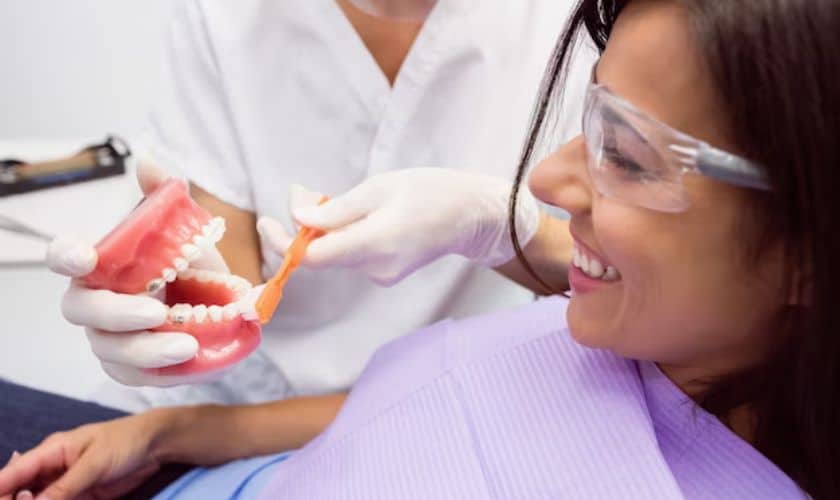
Are you considering a dental bone graft procedure? If so, you may have questions about what to expect during the recovery process. One of the most common concerns is how long the pain will last after a dental bone graft. Don’t worry – we’ve got you covered! In this blog post, we’ll explore everything you need to know about the duration of pain following a dental bone graft and provide helpful tips for managing discomfort along the way. So grab your toothbrush and let’s dive in!
Types of Dental Bone Grafts
When it comes to dental bone grafts, several different types can be used depending on the individual’s specific needs. The most common types include autogenous grafts, allografts, xenografts, and alloplastic grafts. Autogenous grafts involve using bone taken from another part of the patient’s body, such as the hip or chin. This type of graft is often considered the gold standard because it provides excellent results and has a high success rate.
Allografts utilize donated human bone from tissue banks. These graft materials are thoroughly processed and sterilized before being transplanted into the patient’s jawbone. Allografts offer a good alternative for patients who do not want to undergo additional surgery to harvest their bone.
Xenografts use animal-derived materials, typically bovine (cow) or porcine (pig) sources. These biocompatible materials provide a scaffold for new bone growth over time.
Alloplastic grafting involves using synthetic materials like ceramics or hydroxyapatite-based products. While these options may not promote as much natural bone growth as other types of grafting material, they can still be effective in certain cases.
It is important to note that each type of dental bone graft has its advantages and limitations. Your dentist will evaluate your specific situation and recommend the best option for you based on factors such as cost, recovery time, and overall treatment goals.
The Recovery Process
The recovery process after a dental bone graft is an important stage in the overall success of the procedure. It plays a crucial role in allowing new bone to form and integrate with the existing jawbone.
During the first few days following surgery, it is normal to experience some discomfort and swelling. Your dentist may prescribe pain medication or recommend over-the-counter options to help manage any pain you may be feeling. Applying ice packs to your face can also help reduce swelling.
For proper healing to occur, it is essential to follow post-operative instructions provided by your dentist. This may include avoiding certain foods that could potentially disrupt the surgical site, practicing good oral hygiene habits, and attending all scheduled follow-up appointments.
As each person’s body heals at its own pace, it is difficult to determine exactly how long the recovery process will take. However, most individuals begin feeling better within a week or two after surgery.
It’s important to note that everyone’s experience with recovery will differ based on factors such as their overall health and the extent of their procedure. Therefore, if you have any concerns during your recovery period, don’t hesitate to reach out to your dentist for guidance and support. Remember: patience is key when it comes to healing from a dental bone graft!
Pain Management
Pain management is an important aspect of the dental bone graft recovery process. While some discomfort and pain are to be expected after the procedure, there are steps you can take to minimize it.
One effective method of managing pain after a dental bone graft is by taking over-the-counter pain medications such as ibuprofen or acetaminophen. These can help alleviate mild to moderate pain and reduce any swelling that may occur.
Applying ice packs to the affected area for short intervals can also help numb the area, reduce inflammation, and provide temporary relief. Just make sure not to apply ice directly on the skin; always wrap it in a cloth or towel before applying.
It’s crucial to follow any post-operative instructions given by your dentist or oral surgeon regarding medication dosage and frequency. They may prescribe stronger pain medications if necessary.
Additionally, maintaining good oral hygiene during the recovery period can aid in minimizing discomfort. Gently rinsing with warm saltwater multiple times a day helps keep the surgical site clean and promotes healing.
Avoiding certain foods that require excessive chewing or putting pressure on the graft site can prevent unnecessary pain. Stick to softer foods like soups, smoothies, mashed potatoes, and yogurt until you have fully recovered.
Remember that everyone’s experience with pain varies based on individual factors such as tolerance levels and overall health. If you have concerns about your level of discomfort or if your pain persists beyond what is considered normal for a dental bone graft procedure, don’t hesitate to reach out to your dentist for further guidance.
Risks And Complications
Risks and complications are always a possibility when undergoing any medical procedure, and dental bone grafts are no exception. It’s important to be aware of these potential risks so that you can make an informed decision about whether or not a bone graft is the right option for you.
One possible risk of a dental bone graft is infection. Anytime the skin or tissue is opened up, there is a risk of bacteria entering the wound and causing an infection. However, your dentist will take precautions to minimize this risk by prescribing antibiotics before and after the procedure.
Another potential complication is a rejection of the graft material. While uncommon, your body can reject the donor bone or synthetic material used in the graft. This can lead to pain, swelling, and even failure of the graft itself.
In some cases, nerve damage can occur during a dental bone graft. This can result in numbness or tingling in the mouth or surrounding areas. Fortunately, this type of complication is rare but should still be considered when weighing the benefits versus risks.
It’s also important to note that everyone heals differently from surgery, so individual experiences may vary. Some individuals may experience prolonged pain or discomfort following a dental bone graft while others may have minimal discomfort.
While there are risks and complications associated with dental bone grafts like any surgical procedure carries its own set of risks), they are generally safe procedures with high success rates when performed by skilled professionals.
When To See A Dentist
While the recovery process after a dental bone graft can vary from person to person, it is important to know when you should consult your dentist. Here are some signs that indicate it’s time to seek professional help:
1. Persistent or Increasing Pain: It is normal to experience some discomfort or pain after the procedure, but if the pain persists for an extended period or becomes more intense, it could be a sign of infection or other complications.
2. Swelling and Redness: If you notice excessive swelling or redness around the surgical site, this may indicate an infection. It’s crucial to have your dentist evaluate these symptoms promptly.
3. Difficulty Eating or Speaking: If you find it challenging to eat certain foods or speak even several days after the surgery, it could be indicative of an issue with the healing process.
4. Bleeding: While mild bleeding immediately after the procedure is expected and should subside within a few hours, persistent bleeding beyond that timeframe requires immediate attention.
5. Loose Graft Material: If you notice any pieces of graft material coming out from the surgical area, contact your dentist right away as this could compromise the success of your bone graft.
Remember that everyone’s healing process is unique; however, if you experience any concerning symptoms following your dental bone graft surgery, don’t hesitate to reach out to your dentist for guidance and support. Early intervention can prevent potential complications and ensure optimal healing.
The pain from a dental bone graft can vary depending on several factors such as the type of graft performed and an individual’s pain tolerance. It is normal to experience some discomfort and swelling in the days following the procedure, but typically this subsides within a week or two.
Remember that everyone’s healing process is unique, so it’s important to follow your dentist’s instructions for post-operative care and pain management. Taking prescribed medications as directed and practicing good oral hygiene can help alleviate any lingering discomfort.
Dental bone grafts may come with dangers and consequences, notwithstanding their rarity. You must call Ironwood Dental Care right away if you suffer severe or escalating pain, extensive bleeding or swelling, or any other unsettling signs.
While the recovery period may involve some temporary discomfort, undergoing a dental bone graft is often necessary for long-term oral health benefits. By understanding what to expect during the recovery process and properly managing any post-operative pain, you can ensure a smooth healing journey toward restoring your smile.
Remember to consult with your dentist if you have any questions or concerns about undergoing a dental bone graft procedure. They will be able to provide personalized guidance based on your specific needs.
So don’t let fear of pain hold you back from seeking necessary treatment – trust in the expertise of your dental professional and take proactive steps towards improving your oral health through a dental bone graft if recommended by your dentist!
