
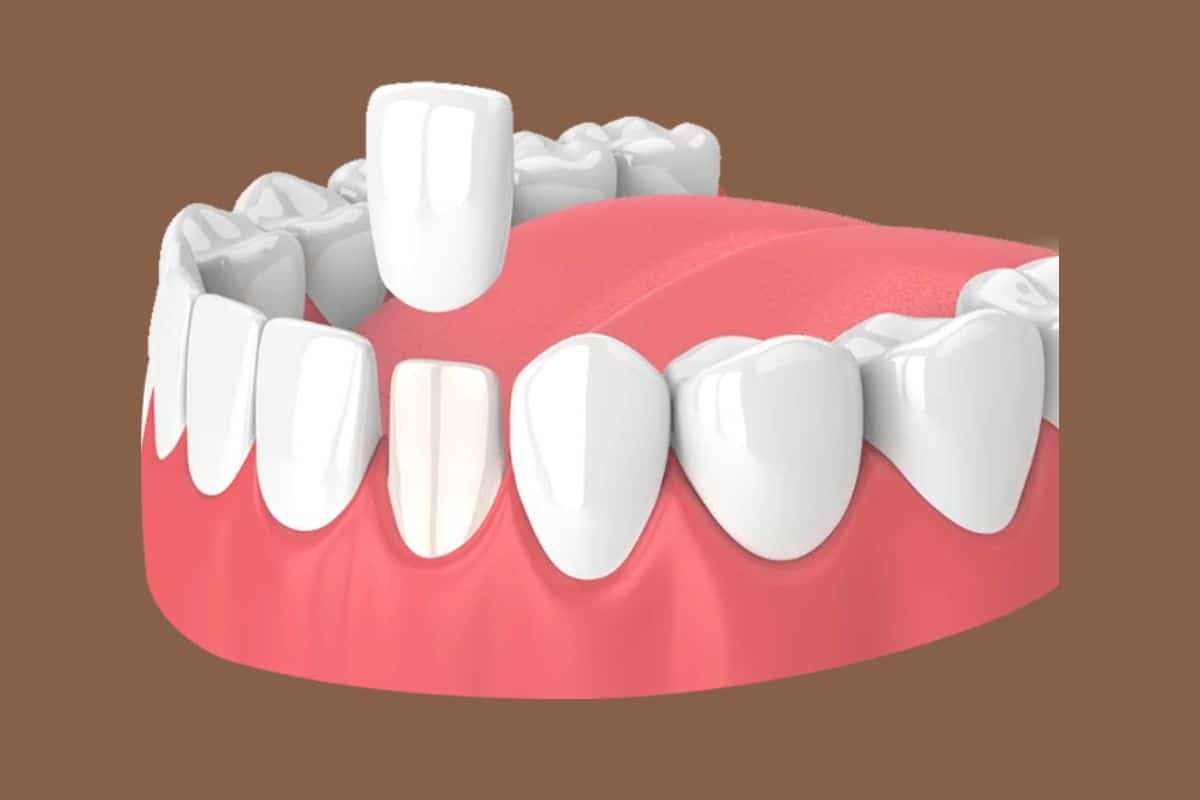
For those looking to improve their smile, veneers can be a transformative solution. These thin, custom-made shells are bonded to the front of the teeth, offering an effective way to mask a range of cosmetic issues. Here’s a closer look at five common dental problems that veneers can help resolve, providing a more radiant, uniform, and confident smile.
1. Stained or Discolored Teeth
Over time, teeth can become stained or discolored due to various factors, including diet, smoking, medications, and even genetics. Some stains are resistant to teeth whitening treatments, especially discoloration caused by certain medications or natural wear. This is where veneers come in: they provide a lasting solution for covering deep stains, leaving teeth looking consistently bright and white.
Veneers are crafted to match the natural shade of your teeth or can be customized to a specific shade you desire. Since porcelain veneers are highly resistant to staining, they can maintain their color for years, giving you a whiter smile without the need for frequent whitening treatments.
2. Chipped or Worn Teeth
Accidents, teeth grinding, or natural wear and tear can lead to chipped or worn-down teeth. These imperfections not only affect the appearance of your smile but may also compromise the strength of the teeth. Veneers can effectively cover and protect chipped or worn areas, restoring a more even look to the tooth’s surface.
In addition to improving aesthetics, veneers also add a layer of strength to the treated teeth, reducing the risk of further damage. This can be particularly beneficial for people who have worn down their teeth due to habits like grinding or clenching.
3. Minor Misalignments and Crooked Teeth
While severe misalignment or crowding may require orthodontic treatment, veneers can be a great option for minor alignment issues. If you have slightly crooked teeth or uneven spacing, veneers can create the appearance of straighter teeth without the need for braces.
By customizing each veneer, dentists can adjust the size and angle of the veneers to cover small imperfections, giving you the look of a perfectly aligned smile. This approach is sometimes referred to as “instant orthodontics” because it can create the appearance of a straighter smile in just a couple of appointments.
4. Gaps Between Teeth
Small gaps between teeth, also known as diastemas, can occur for various reasons, including genetics, gum recession, or missing teeth. While gaps are a common dental issue, they can make some people feel self-conscious about their smiles. Veneers are an effective solution for closing these gaps without the need for braces or other orthodontic treatments.
By designing each veneer to slightly extend over the space between two teeth, dentists can create a seamless look that makes the gaps disappear. This is a quick, non-invasive way to achieve a more uniform smile, especially if only one or two gaps are present.
5. Irregularly Shaped or Uneven Teeth
Not all teeth grow in the same size, shape, or alignment, and some people naturally have teeth that look out of proportion with the rest of their smiles. Teeth can appear too small, too pointed, or irregularly shaped, which can disrupt the balance of the smile. Veneers offer a solution to these aesthetic issues by creating a more harmonious, symmetrical appearance.
By customizing the shape, size, and length of each veneer, dentists can create a natural and balanced look, adjusting teeth to complement each other. This can be particularly beneficial for people with naturally short or narrow teeth, as veneers add a bit of volume and length for a fuller, more even smile.
Are Veneers Right for You?
While veneers are a versatile and effective solution for many cosmetic dental issues, they aren’t the right option for everyone. To be a good candidate for veneers, you’ll need to have healthy teeth and gums, as well as enough enamel for the veneers to bond securely. If you have issues such as decay, gum disease, or significant misalignment, it may be best to address these first before considering veneers.
The Veneer Process: What to Expect
If veneers sound like a promising solution for your smile, here’s a quick overview of what the process involves:
- Consultation: During your first appointment, your dentist will assess your oral health and discuss your cosmetic goals.
- Preparation: For porcelain veneers, a small amount of enamel is typically removed to allow space for the veneer. Impressions of your teeth are taken to create custom veneers.
- Bonding: Once the veneers are ready, they’ll be bonded to your teeth using a strong dental adhesive, followed by adjustments to ensure a comfortable, natural fit.
Dental veneers offer a customizable, lasting solution to common smile imperfections, from stains to small gaps and uneven teeth. With proper care, veneers can last a decade or longer, providing a durable enhancement that can significantly boost your confidence and self-esteem. If you’re considering veneers, consult a trusted cosmetic dentist who can help determine whether veneers are the best option for your unique smile transformation.
