
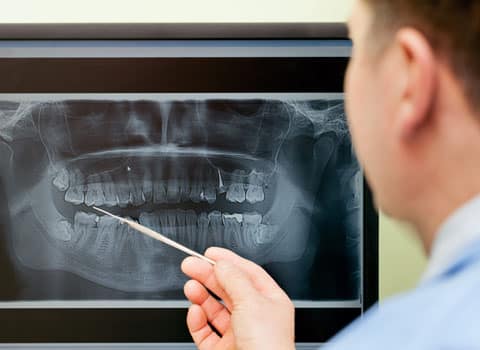
Dental bone grafting is a common and highly effective procedure used to rebuild jawbone structure and support future treatments like dental implants. If your dentist has recommended a bone graft, it’s natural to wonder how much pain you might experience and how long recovery will take. Understanding the healing process can help you feel more confident, prepared, and comfortable as you move forward with treatment.
Bone grafting involves placing bone material—either from your own body, a donor source, or a synthetic substitute—into areas of the jaw where bone loss has occurred. While the procedure itself is typically well-managed with local anesthesia or sedation, some discomfort afterward is expected. The good news is that pain is usually temporary and follows a predictable recovery timeline.
In practices offering bone grafting in Queen Creek, patient education and post-operative care play a major role in minimizing discomfort and promoting faster healing. Knowing what to expect day by day can make recovery far less stressful.
Pain and Recovery Timeline After a Dental Bone Graft
First 24–48 Hours: Initial Discomfort
The first two days after a bone graft are usually when patients experience the most discomfort. Swelling, tenderness, and mild to moderate pain around the surgical site are common. This pain is typically manageable with prescribed or over-the-counter pain medications, along with ice packs to reduce swelling. Slight bleeding or oozing may also occur but should gradually subside.
Days 3–7: Gradual Improvement
By the third day, most patients notice a significant reduction in pain. Swelling often peaks around day two or three and then begins to decrease. During this phase, soreness may still be present, especially when chewing or speaking, but it should feel more manageable each day. Sticking to soft foods and following oral hygiene instructions is essential during this stage.
Weeks 2–4: Minimal Discomfort
After the first week, pain is usually minimal or completely gone. Some patients report occasional sensitivity or mild pressure in the grafted area, but this is a normal part of the healing process. At this stage, the gum tissue continues to heal, and daily activities can typically be resumed without issue.
Months 3–6: Bone Integration
While pain is no longer a concern during this phase, healing is still happening beneath the surface. The bone graft gradually integrates with your natural jawbone in a process called osseointegration. This step is critical for creating a strong foundation for dental implants or other restorative procedures. You may not feel anything during this time, but follow-up visits are important to monitor progress.
What Factors Affect Pain Duration?
Several factors influence how long pain lasts after a dental bone graft, including:
- Size and location of the graft
- Type of graft material used
- Your overall health and immune response
- Adherence to post-operative instructions
Patients who smoke, have certain medical conditions, or skip aftercare guidelines may experience longer healing times or increased discomfort.
Tips to Minimize Pain and Speed Healing
To ensure a smoother recovery, dentists often recommend:
- Taking medications exactly as prescribed
- Applying ice packs during the first 24 hours
- Avoiding strenuous activity for several days
- Eating soft, nutrient-rich foods
- Keeping the surgical site clean without disturbing it
- Avoiding smoking and alcohol during healing
Following these steps can significantly reduce pain and help prevent complications.
When Should You Call Your Dentist?
While mild to moderate pain is normal, severe or worsening pain after the first week is not. Contact your dentist if you experience persistent swelling, fever, foul taste, or sharp pain, as these may be signs of infection or graft failure. Early intervention can prevent more serious issues.
Pain after a dental bone graft is usually temporary and manageable, with most discomfort resolving within a few days to a week. Complete healing takes several months, but this process is essential for restoring jaw strength and supporting long-term dental health. With proper care and professional guidance, most patients recover smoothly and go on to enjoy successful restorative outcomes.
If you’ve been told you need a bone graft or are preparing for dental implants, book an appointment today to learn more about your options. Visit us at 35 W Combs Rd #102, Queen Creek, AZ 85140, and take the first step toward a healthier, stronger smile.
FAQs
1. Is dental bone graft pain worse than a tooth extraction?
In most cases, pain from a bone graft is similar to or slightly more than that of a tooth extraction, but it is usually well-controlled with medication.
2. How long should I avoid chewing near the graft site?
Dentists typically recommend avoiding chewing on the grafted area for at least one to two weeks, depending on the size and location of the graft.
3. Can I return to work after a dental bone graft?
Many patients return to work within one to two days, especially if their job is not physically demanding. Your dentist will provide personalized guidance.
