
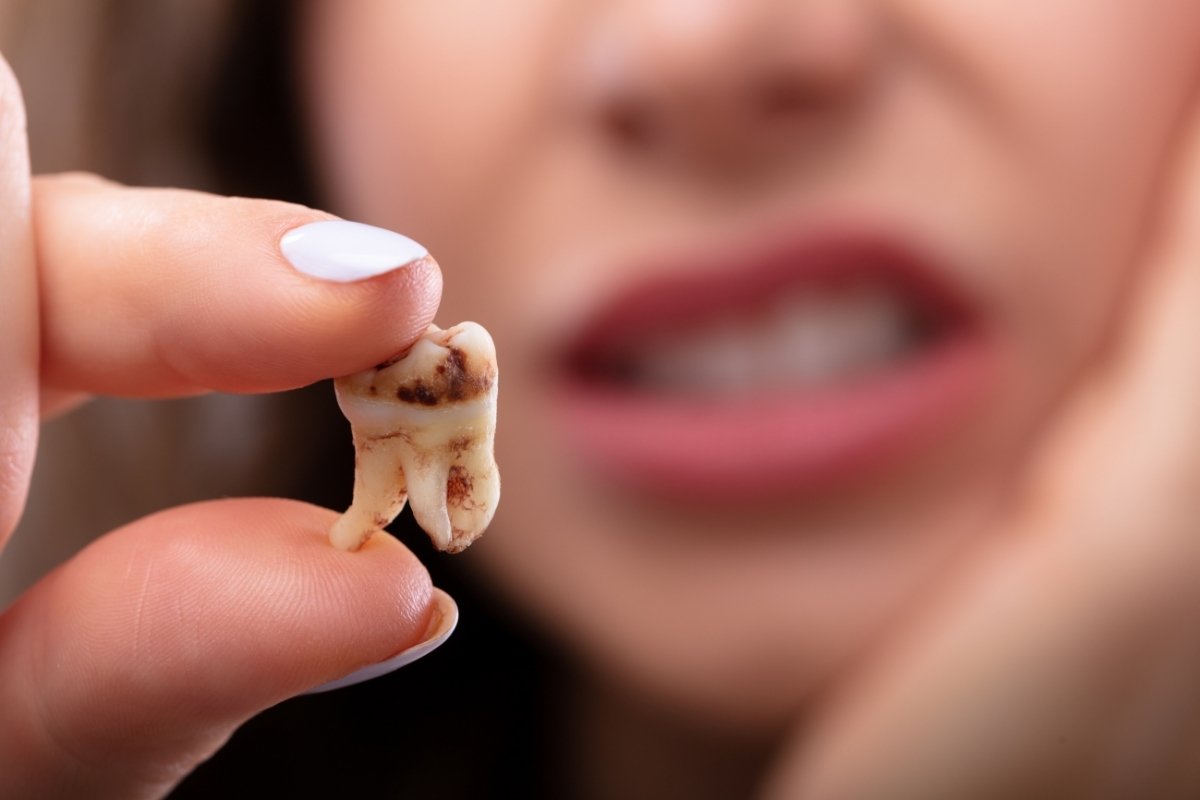
Wisdom teeth, also known as third molars, often need to be removed when they cause pain, overcrowding, or risk of infection. If your dentist recommends a non-surgical wisdom tooth extraction, you may be wondering how long the recovery process takes. The good news is that non-surgical extractions tend to have a shorter and less complicated healing period compared to surgical extractions.
Understanding Non-Surgical Wisdom Tooth Extraction
A non-surgical extraction is performed when the wisdom tooth has fully erupted above the gum line and can be removed without cutting into the gums or bone. The procedure involves loosening the tooth with dental instruments and extracting it using forceps. Since no incisions or sutures are required, the healing time is typically quicker than a surgical extraction.
Recovery Timeline: What to Expect
The recovery process varies from person to person, but most individuals can expect the following timeline:
First 24 Hours
- Some minor bleeding is normal for the first few hours after the extraction. Your dentist will provide gauze to help control it.
- You may experience mild to moderate discomfort, which can be managed with over-the-counter pain relievers like ibuprofen or acetaminophen.
- Swelling and slight bruising around the extraction site may occur but should be minimal compared to a surgical extraction.
- It’s crucial to avoid strenuous activities, smoking, drinking through a straw, and rinsing forcefully to prevent dislodging the blood clot.
Day 2 to 3
- Pain and swelling should begin to subside.
- You can start rinsing your mouth gently with warm salt water to promote healing and prevent infection.
- Eating soft foods like yogurt, mashed potatoes, and soup is recommended.
- Continue avoiding alcohol, smoking, and excessive physical activity.
Day 4 to 7
- Most of the discomfort should significantly improve.
- The extraction site will begin forming new tissue.
- Normal eating habits can gradually resume, but it’s still best to avoid hard or crunchy foods that could irritate the area.
- Brushing and flossing should continue with care around the extraction site.
One Week and Beyond
- The gum tissue should be mostly healed by the end of the first week.
- Any residual sensitivity should continue to diminish.
- You can return to your normal routine, but if you experience persistent pain, swelling, or signs of infection (such as fever or pus), contact your dentist immediately.
Factors Affecting Recovery Time
Several factors can influence how quickly you recover from a non-surgical wisdom tooth extraction, including:
- Age and Health: Younger individuals tend to heal faster than older adults. Overall health and immune system strength also play a role.
- Oral hygiene: keeping your mouth clean helps prevent infections and speeds up healing.
- Diet: Eating soft, nutritious foods and staying hydrated can aid recovery.
- Aftercare Compliance: Following post-extraction instructions from your dentist is crucial for a smooth recovery.
- Pre-existing Conditions: Conditions like diabetes or immune system disorders may slow healing.
Tips for a Smooth Recovery
- Follow Post-Extraction Instructions: Your dentist will provide specific guidelines to ensure proper healing.
- Apply Ice Packs: Using ice packs on your cheek in the first 24 hours can help minimize swelling.
- Eat Soft Foods: Stick to easy-to-chew foods for a few days to avoid irritation.
- Avoid Straws and Smoking: These actions can dislodge the blood clot and lead to a dry socket, a painful condition.
- Maintain good oral hygiene: Gently brush your teeth and rinse your mouth with salt water after the first 24 hours.
When to Contact Your Dentist
While most people recover smoothly, complications can occur. Seek immediate dental care if you experience:
- Severe pain that worsens after a few days
- Excessive bleeding beyond 24 hours
- Signs of infection such as fever, pus, or foul-smelling discharge
- Persistent swelling or difficulty opening your mouth
Recovering from a non-surgical wisdom tooth extraction is generally quick and uncomplicated, with most people returning to normal activities within a few days. By following proper aftercare guidelines and monitoring your healing progress, you can ensure a smooth and speedy recovery. If you have any concerns or prolonged discomfort, don’t hesitate to reach out to your dentist for further guidance.
