
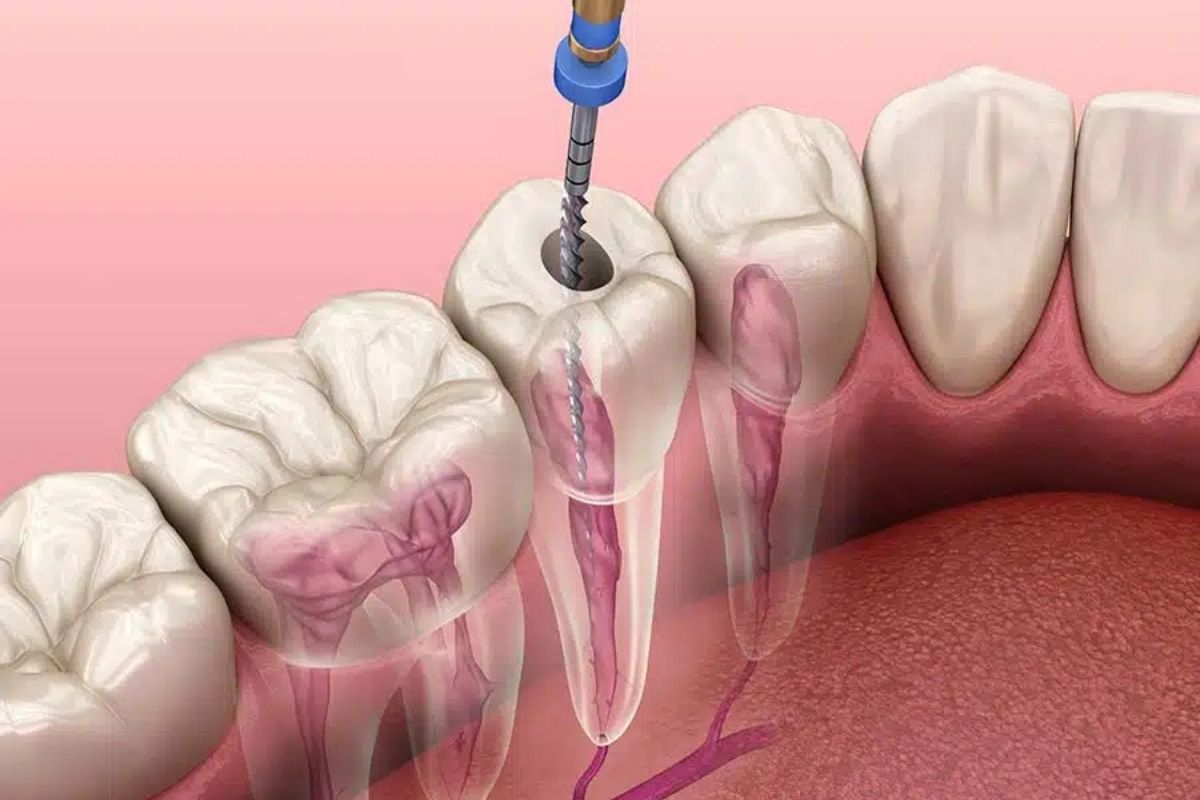
When most people hear the term “root canal,” they often imagine a painful dental procedure. However, modern root canal therapy is nothing like the intimidating myths that surround it. Thanks to advances in dental technology and gentle techniques, this treatment is now a comfortable and highly effective way to save a severely infected or damaged tooth — and prevent the need for extraction.
If you’ve been told you may need a root canal, understanding the process and its benefits can help you feel more confident about your dental care. Let’s take a closer look at what root canal therapy involves, why it’s necessary, and how it can restore your oral health and comfort.
What Is Root Canal Therapy?
Root canal therapy is a specialized dental procedure designed to treat infection or inflammation inside the tooth’s pulp — the soft inner tissue that contains nerves, blood vessels, and connective tissues. When this pulp becomes infected due to deep decay, cracks, or trauma, it can cause severe pain and swelling.
During a root canal procedure, your dentist or endodontist carefully removes the infected pulp, disinfects the inner chamber, and seals the tooth to prevent further infection. The goal is to save your natural tooth structure and maintain your normal bite, rather than resorting to extraction.
Why a Root Canal May Be Needed
Tooth infections often start small but can progress quickly if left untreated. Here are some of the most common reasons a root canal might be necessary:
- Deep Tooth Decay: When a cavity extends beyond the enamel and dentin, bacteria can reach the pulp and cause infection.
- Cracked or Chipped Teeth: A fracture can expose the pulp to harmful bacteria, leading to inflammation or abscess formation.
- Repeated Dental Procedures: Multiple restorations on the same tooth can irritate the pulp over time, increasing the risk of infection.
- Trauma or Injury: Even without visible cracks, a hard impact can damage the pulp and eventually cause it to die.
Ignoring these problems can lead to abscesses, bone loss, or even systemic infections, making early treatment essential.
Signs You May Need a Root Canal
Recognizing the symptoms of a pulp infection early can make all the difference in saving your tooth. Schedule an appointment with your dentist if you notice any of the following:
- Persistent tooth pain, especially when chewing or applying pressure
- Sensitivity to heat or cold that lingers after the source is removed
- Darkening or discoloration of a tooth
- Swollen or tender gums near the affected tooth
- A recurring pimple-like bump on the gums (abscess)
- A foul taste or odor in your mouth
These symptoms may not always indicate the need for a root canal, but they’re clear signs that your tooth requires immediate attention.
What to Expect During a Root Canal Procedure
One of the biggest misconceptions about root canals is that they are painful. In truth, modern root canal therapy is a relatively comfortable procedure, typically no more uncomfortable than getting a filling. Here’s what to expect:
-
Diagnosis and Numbing:
Your dentist will take digital X-rays to locate the infection and determine the extent of the damage. Local anesthesia is then administered to ensure your complete comfort. -
Removing the Infected Pulp:
A small opening is made in the tooth to access the pulp chamber. The infected or dead tissue is removed, and the inner canals are carefully cleaned and disinfected. -
Filling and Sealing:
Once cleaned, the tooth canals are filled with a biocompatible material called gutta-percha, which seals the space and prevents bacteria from re-entering. -
Restoration:
After the root canal, your dentist will usually recommend placing a dental crown to protect the tooth from future damage and restore its strength and appearance.
The entire process is usually completed in one or two visits, depending on the tooth’s condition.
Benefits of Root Canal Therapy
Root canal therapy offers numerous advantages that go beyond simply relieving pain. Here are a few of the most important benefits:
- Saves Your Natural Tooth: Preserving your real tooth helps maintain your bite alignment and jawbone integrity.
- Eliminates Pain and Infection: Once the infection is removed, you’ll experience relief from persistent discomfort.
- Prevents Further Damage: A restored tooth is protected from future decay and fractures.
- Improves Oral Health: Treating infection early prevents it from spreading to other teeth or the jawbone.
- Cost-Effective: Saving a tooth with a root canal is generally more affordable than extracting it and replacing it with an implant or bridge.
Aftercare and Recovery
After your root canal, mild tenderness or sensitivity is normal for a few days. Over-the-counter pain relievers can help manage discomfort. Your dentist will recommend avoiding chewing on the treated tooth until your permanent crown is placed.
Good oral hygiene practices — brushing twice a day, flossing daily, and attending regular dental checkups — are crucial to keeping your restored tooth and gums healthy.
Myths vs. Facts About Root Canal Therapy
Myth 1: Root canals are painful.
Fact: With local anesthesia and advanced techniques, root canal therapy is virtually painless.
Myth 2: Extraction is better than a root canal.
Fact: Saving your natural tooth is always preferable when possible, as extractions can lead to bone loss and alignment issues.
Myth 3: Root canals cause illness.
Fact: This outdated myth has been scientifically disproven. Root canal therapy is safe and effective.
Protecting Your Smile with Timely Treatment
Delaying treatment for an infected or decayed tooth can lead to more severe complications, including abscesses and bone loss. Root canal therapy not only eliminates infection but also preserves your natural smile and oral function.
If you’re experiencing tooth pain or sensitivity, don’t wait for it to worsen — prompt care can make all the difference.
Schedule Your Appointment Now
Don’t let tooth pain or infection affect your daily comfort or confidence. Our skilled dental team provides gentle, precise root canal treatments using advanced technology to ensure your comfort and long-term oral health.
Schedule your appointment now and take the first step toward restoring your smile and protecting your natural teeth for years to come.
FAQs
1. How do I know if I need a root canal?
You may need a root canal if you experience persistent tooth pain, swelling, sensitivity to hot or cold, or signs of infection. Our dentist will examine your tooth and take X-rays to determine the best treatment.
2. Is root canal treatment painful?
Thanks to modern anesthesia and advanced techniques, most patients report little to no discomfort during the procedure. Post-treatment, any mild soreness can usually be managed with over-the-counter pain relievers.
3. How long does it take to recover from a root canal?
Recovery is typically quick. Most patients return to normal activities the same day or within a few days. Maintaining good oral hygiene and following your dentist’s instructions helps ensure lasting results.
