
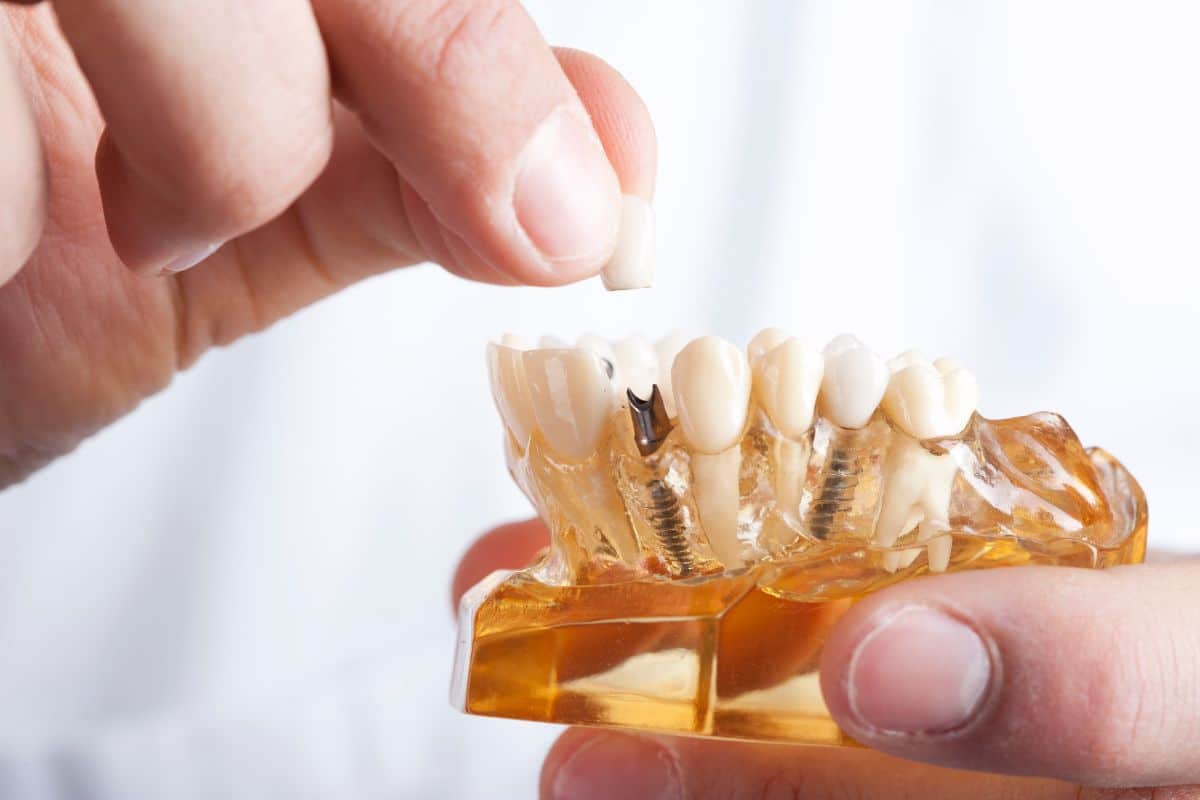
Dental implants are often considered the gold standard for replacing missing teeth due to their durability and natural appearance. However, they may not be suitable for everyone due to cost, bone density, or personal preferences. If you’re looking for alternatives, here are ten effective options to consider:
1. Dental Bridges
A dental bridge is a prosthetic device that fills the gap left by one or more missing teeth. It consists of crowns on either side of the gap, anchoring the false tooth or teeth in between. Bridges are a good option if you have healthy teeth on either side of the missing tooth, providing a stable base for the bridge.
Pros:
- Less invasive than implants
- Quicker process
- Can last 10-15 years with proper care
Cons:
- Requires alteration of adjacent teeth
- It can put stress on the supporting teeth
2. Partial Dentures
Partial dentures are removable appliances that replace multiple missing teeth in the upper or lower jaw. They are typically made of a combination of metal and acrylic and are designed to fit snugly around your remaining natural teeth.
Pros:
- Non-invasive
- Cost-effective
- Easy to adjust and replace
Cons:
- Can be uncomfortable
- It may affect speech and eating
- Require regular maintenance
3. Complete Dentures
Complete dentures replace all the teeth in the upper or lower jaw. They are custom-made to fit your mouth and can restore both function and aesthetics.
Pros:
- Effective for replacing all teeth
- Non-invasive
- Relatively affordable
Cons:
- May feel bulky
- Can slip or move
- Require regular adjustments and replacements
4. Resin-Bonded Bridges
Also known as Maryland bridges, these are a conservative alternative to traditional bridges. They consist of a false tooth with metal or porcelain wings on either side that bond to the back of the adjacent teeth.
Pros:
- Minimal alteration to adjacent teeth
- Cost-effective
- Good for front teeth
Cons:
- Less durable than traditional bridges
- May not be suitable for back teeth
5. Removable Dental Appliances (Flippers)
Flippers are temporary, removable dentures that replace one or more missing teeth. They are often used as a temporary solution while waiting for a more permanent option.
Pros:
- Quick and easy to make
- Affordable
- Non-invasive
Cons:
- Not as durable
- Can be uncomfortable
- Aesthetic may not be as natural
6. Orthodontic Solutions
In some cases, orthodontic treatments such as braces or aligners can be used to close gaps left by missing teeth. This is particularly effective for smaller gaps or when the remaining teeth can be shifted to fill the space.
Pros:
- Non-invasive
- Permanent solution
- Can improve overall dental alignment
Cons:
- Longer treatment time
- Requires commitment to wearing braces or aligners
- May not be suitable for larger gaps
7. Dental Bonding
Dental bonding involves applying a tooth-colored resin to the adjacent teeth to fill small gaps. This can be a quick and minimally invasive option for cosmetic improvements.
Pros:
- Quick and painless
- Cost-effective
- Aesthetic improvement
Cons:
- Not as durable as other options
- May require touch-ups over time
8. Gum Lifts and Reshaping
For minor gaps or aesthetic concerns, gum lifts or reshaping can be performed to improve the appearance of your smile. This involves removing or reshaping gum tissue to create a more balanced look.
Pros:
- Minimally invasive
- Quick recovery
- Can improve smile aesthetics
Cons:
- Limited to aesthetic improvements
- Not suitable for large gaps
9. Stem Cell Dental Implants
Although still in experimental stages, stem cell dental implants show promise as a future alternative. This involves regenerating tooth structures using stem cells, potentially providing a natural and permanent solution.
Pros:
Potential for a natural solution
Could be a permanent fix
Cons:
Currently not widely available
Expensive and experimental
10. Mini Dental Implants
Mini dental implants are smaller than traditional implants and can be used in cases where there is insufficient bone density for standard implants. They are less invasive and require a shorter healing time.
Pros:
- Less invasive
- Quicker healing time
- Suitable for those with lower bone density
Cons:
- May not be as durable as traditional implants
- Limited application
Conclusion
Choosing the right alternative to dental implants depends on your individual needs, budget, and dental health. Consulting with a dental implant professional can help you make an informed decision and find the best solution to restore your smile and functionality.
