
A sudden toothache, lingering sensitivity, or swelling in the gums can quickly turn an ordinary day into a painful experience. While some dental discomfort may be temporary, certain symptoms can indicate a deeper problem inside the tooth. In many cases, these warning signs may mean you need root canal treatment.
A root canal is a common restorative dental procedure that saves a severely infected or damaged tooth. When the inner pulp becomes infected due to deep decay, trauma, or cracks, the infection can spread and cause intense pain or even tooth loss if left untreated.
At Ironwood Dental Care—Cooley Station, Dr. Brent Stanley and the dental team help patients relieve pain and preserve their natural teeth with advanced root canal therapy. If you’re experiencing unusual dental symptoms, here are eight warning signs that may indicate you need a root canal—and when you should see a dentist immediately.
What Is a Root Canal?
Before discussing the warning signs, it helps to understand what a root canal involves.
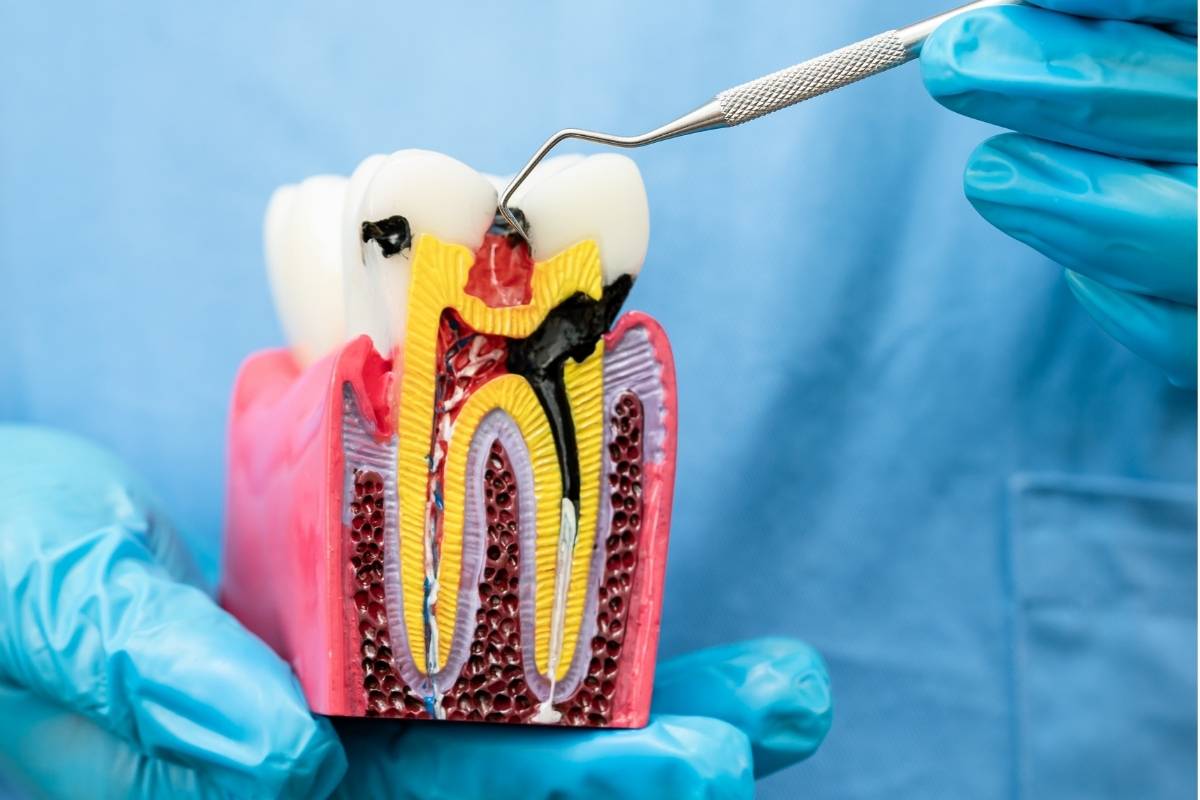
Inside each tooth is a soft tissue called pulp, which contains nerves and blood vessels. When bacteria enter the pulp through deep cavities, cracks, or trauma, it can lead to infection and inflammation. A root canal procedure removes the infected pulp, disinfects the inner tooth, and seals it to prevent further damage.
Modern root canal therapy is highly effective and often no more uncomfortable than getting a dental filling. In fact, the treatment typically relieves pain rather than causing it.
1. Persistent Tooth Pain
One of the most common signs that you may need a root canal is persistent or severe tooth pain.
This pain may:
- Occur while chewing or biting
- Feel constant or throbbing pain.
- Spread to the jaw, ear, or nearby teeth
If the pain doesn’t go away after a few days or becomes worse over time, it could indicate an infected pulp.
When to see a dentist:
Seek professional care as soon as possible if the pain is severe or interferes with daily activities like eating or sleeping.
2. Lingering Sensitivity to Hot or Cold
Do you feel a sharp or lingering pain when drinking hot coffee or eating ice cream?
Temporary sensitivity can happen occasionally, but long-lasting sensitivity to temperature changes may indicate nerve damage inside the tooth.
Typical signs include the following:
- Pain that lasts several seconds or minutes after exposure
- Increased sensitivity over time
- Discomfort even after the hot or cold item is removed
This symptom often suggests inflammation or infection within the pulp.
3. Swollen or Tender Gums
Inflamed gums around a specific tooth can be another warning sign.
Symptoms may include:
- Puffy or swollen gum tissue
- Tenderness or soreness
- A small bump or pimple-like swelling on the gums
This bump may be a dental abscess, which occurs when infection spreads beyond the tooth root.
If left untreated, abscesses can cause serious complications and require urgent dental care.
4. Tooth Discoloration
A tooth that suddenly turns dark yellow, gray, or brown may signal internal damage.
Unlike surface stains caused by coffee or wine, internal discoloration often occurs when:
- The tooth pulp becomes infected
- The blood supply inside the tooth is compromised
- Trauma damages internal structures
A root canal can remove the infected tissue and restore the tooth’s health. After treatment, cosmetic options like whitening or crowns can improve the tooth’s appearance.
5. Pain When Chewing or Touching the Tooth
If you experience pain when applying pressure to a specific tooth, the root may be inflamed or infected.
This pain can occur when:
- Chewing food
- Clenching your teeth
- Touching the tooth with your tongue
Infection inside the pulp can irritate the surrounding ligaments and bone, making even gentle pressure painful.
6. A Cracked or Chipped Tooth
Cracks or chips can expose the inner pulp to bacteria. This damage may happen from:
- Biting hard foods
- Sports injuries
- Teeth grinding
- Accidents or trauma
Even a small crack can allow bacteria to enter and cause infection. If you notice a chipped or fractured tooth accompanied by pain or sensitivity, a root canal may be necessary to save the tooth.
7. A Pimple or Bump on the Gums
A small bump on the gums near a painful tooth may be a dental fistula or abscess.
You may notice:
- A recurring pimple-like bump
- A bad taste in your mouth
- Drainage of pus
This occurs when infection from the tooth spreads into the surrounding tissue.
Because abscesses can spread infection to other areas of the body, this symptom requires immediate dental attention.
8. Prolonged Tooth Sensitivity or Numbness
Sometimes, nerve damage inside the tooth can cause unusual sensations such as:
- Lingering dull pain
- Numbness around the tooth
- A feeling of pressure inside the tooth
These symptoms may indicate that the pulp is severely inflamed or dying.
Early diagnosis can often save the tooth and prevent more complex treatment later.
When to See a Dentist Immediately
While some dental discomfort can wait a day or two, certain symptoms require urgent dental care.
Seek immediate attention if you experience:
- Severe or worsening tooth pain
- Facial or gum swelling
- Fever or signs of infection
- Difficulty swallowing or breathing
- Pus or drainage from the gums
Prompt treatment can prevent the infection from spreading and reduce the risk of tooth loss.
At Ironwood Dental Care—Cooley Station, Dr. Brent Stanley uses modern diagnostic tools to identify the cause of tooth pain and recommend the best treatment for long-term oral health.
What Happens During Root Canal Treatment?
Many patients feel anxious about root canals, but the procedure is routine and highly successful.
The process typically includes:
- Examination and X-rays to identify infection.
- Local anesthesia to numb the tooth and the surrounding area.
- Removal of infected pulp from inside the tooth.
- Cleaning and disinfecting the root canals.
- Sealing the tooth to prevent reinfection.
- Placing a dental crown is necessary to strengthen the tooth.
After treatment, most patients experience relief from pain and can return to normal activities quickly.
Benefits of Root Canal Treatment
Root canal therapy offers several important benefits:
- Relieves severe tooth pain
- Stops infection from spreading
- Preserves your natural tooth
- Restores chewing and biting function
- Prevents the need for tooth extraction
Saving your natural tooth is often the best option for maintaining long-term oral health and avoiding more complex procedures like dental implants or bridges.
How to Prevent Root Canal Problems
While not every root canal can be prevented, good oral hygiene can significantly reduce the risk.
Healthy habits include:
- Brushing twice daily with fluoride toothpaste
- Flossing daily
- Scheduling routine dental exams and cleanings
- Wearing a mouthguard during sports
- Avoiding chewing ice or very hard foods
Regular dental visits allow dentists to detect cavities and cracks early—before they develop into serious infections.
Schedule Your Dental Appointment
Tooth pain is your body’s way of signaling that something isn’t right. Ignoring symptoms can allow infections to worsen and lead to more extensive dental procedures.
If you’re experiencing persistent tooth pain, swelling, or sensitivity, professional care can help diagnose the issue and provide relief. Schedule your appointment today and visit our dental office at 3875 E Williams Field Rd #102, Gilbert, AZ 85295.
Connect With Us
Stay informed about dental health tips, patient updates, and smile transformations by connecting with Ironwood Dental Care—Cooley Station on social media:
Following the practice online can help you stay up to date with oral health advice and special announcements.
FAQs
1. How do I know if I really need a root canal?
A dentist can determine if you need a root canal through an exam and X-rays. Persistent tooth pain, swelling, sensitivity to temperature, or discoloration are common signs of pulp infection.
2. Is a root canal painful?
Modern root canal procedures are performed with local anesthesia, making the treatment similar to getting a dental filling. Most patients experience pain relief after the procedure.
3. How long does a root canal take?
A root canal typically takes 60 to 90 minutes, depending on the complexity of the infection and the number of roots in the tooth.
4. Can a root canal save my tooth permanently?
Yes. With proper care and a dental crown when needed, a tooth treated with a root canal can last many years or even a lifetime.
5. What happens if I delay root canal treatment?
Delaying treatment can allow infection to spread, potentially leading to severe pain, bone loss, abscess formation, or even tooth extraction.
