

A routine dental checkup does more than keep your teeth clean. It helps identify early signs of cavities, gum disease, enamel damage, and other oral health concerns before they become more serious. However, many patients are unsure about what actually happens during an appointment. Understanding each step can make your visit more comfortable and help you take an active role in your oral health.
At Ironwood Dental Care, Dr. Stanley and the dental team believe preventive care should be a regular part of every family’s health routine. Through family dentistry in Queen Creek, patients can receive routine examinations, professional cleanings, and guidance to maintain healthy teeth and gums. Learn more about our professional dental cleanings and preventive services to understand how regular dental care helps maintain healthy teeth and gums. Whether you are visiting for the first time or returning for your six-month appointment, knowing what to expect can help you feel more prepared.
Why Routine Dental Checkups Matter
Brushing and flossing at home help remove food particles and plaque. However, these habits cannot always reach every area of your mouth. Plaque can harden into tartar, which requires professional removal. Bacteria can also collect around the gumline and between teeth, increasing the risk of cavities and gum inflammation.
Routine dental visits help identify these concerns early. They also allow the dental team to monitor changes in your oral health over time.
Some important benefits include:
- Early cavity detection: Identifies tooth decay before it causes significant damage.
- Gum disease prevention: Helps detect inflammation, bleeding, and early periodontal concerns.
- Professional plaque removal: Removes hardened deposits that regular brushing cannot eliminate.
- Oral cancer screening: Helps identify unusual changes in your mouth’s soft tissues.
- Ongoing dental monitoring: Tracks existing restorations and changes in your teeth and gums.
- Personalized oral hygiene guidance: Helps you improve your brushing and flossing habits.
For families in Queen Creek, regular checkups also help children develop healthy dental habits from an early age.
What Happens During a Dental Checkup
A routine dental examination usually includes several steps. Your appointment may take 30 to 60 minutes, depending on your oral health, cleaning needs, and whether additional assessments are necessary.
Here is what you can generally expect during your visit.
Step 1: Share Your Dental History
Your appointment often begins with a review of your dental and medical history. This information helps the dental team understand your current health and identify factors that may affect your treatment.
You may be asked about:
- Existing medical conditions and medications.
- Previous dental procedures and restorations.
- Tooth sensitivity or discomfort.
- Bleeding gums or persistent bad breath.
- Changes in your bite or chewing habits.
- Your daily brushing and flossing routine.
If you are a returning patient, the team may also review changes since your previous appointment.
Be open about any concerns, even if they seem minor. Occasional sensitivity, jaw discomfort, or bleeding while brushing may indicate an issue that needs attention.
Step 2: Examine Your Teeth and Gums
Next, the dental team performs a comprehensive oral examination. The dental team checks your teeth, gums, and surrounding structures for visible signs of dental problems.
During this assessment, they may look for:
- Cavities and early enamel damage.
- Cracks, chips, or worn tooth surfaces.
- Plaque and tartar buildup.
- Redness, swelling, or gum recession.
- Loose teeth or changes in tooth position.
- Problems with existing fillings and crowns.
The examination may also include checking your bite and jaw movement. These observations help identify potential problems with chewing or jaw function.
Finding these concerns early can help prevent more extensive treatment later.
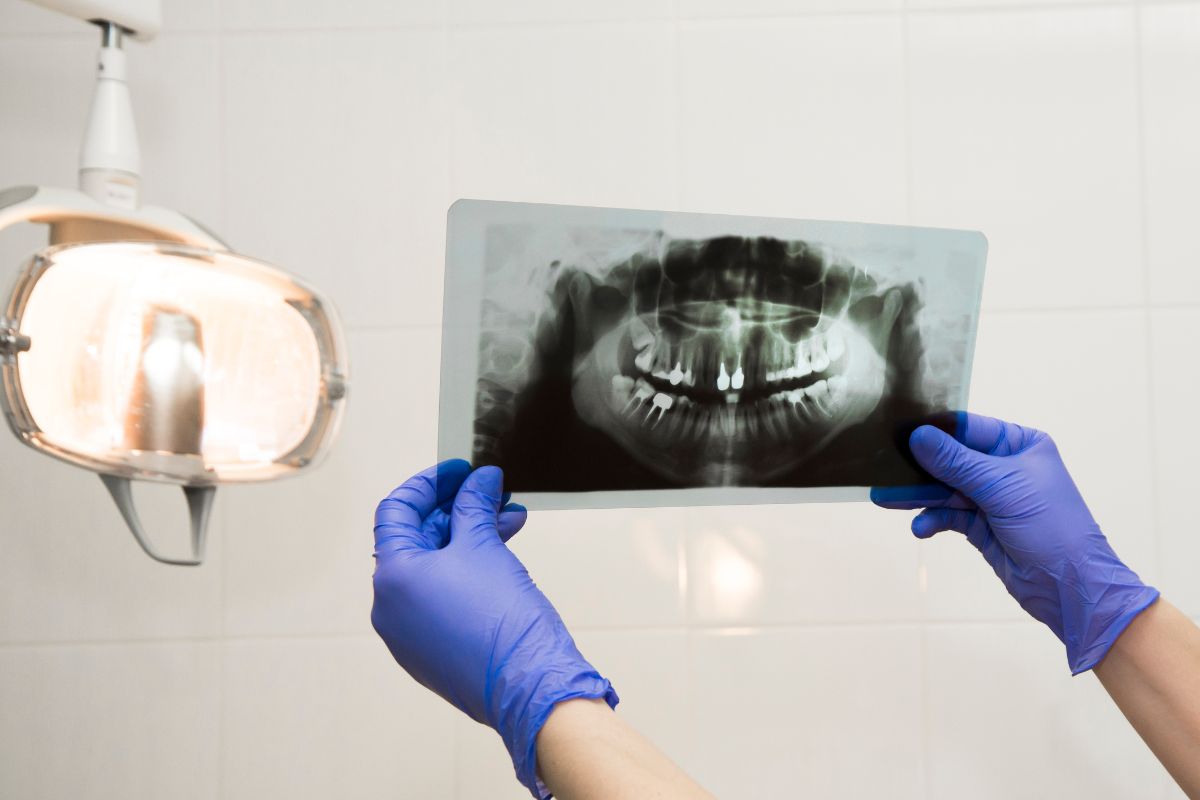
Step 3: Take Dental X-Rays If Needed
Not every routine appointment requires dental X-rays. However, imaging may be recommended when the dental team needs to examine areas that are not visible during a regular oral examination.
Dental X-rays can help identify:
- Cavities between teeth.
- Decay beneath existing fillings.
- Changes in the supporting bone.
- Problems around tooth roots.
- Impacted or developing teeth.
- Infections that may not cause noticeable symptoms.
The type and frequency of imaging depend on your dental history, age, symptoms, and risk of oral disease.
Digital X-rays provide detailed images while using less radiation than traditional film-based systems. Ironwood Dental Care also uses digital imaging technology as part of its approach to comprehensive dental care.
Step 4: Check Your Gum Health
Healthy gums provide support for your teeth. Therefore, evaluating your gum health is an important part of every routine examination.
The dental team may examine your gums for swelling, bleeding, tenderness, and recession. They may also use a periodontal probe to measure the spaces between your teeth and gums.
These measurements are called periodontal pocket depths. Healthy gums generally have shallow pockets, while deeper pockets may indicate periodontal disease.
Your gum assessment helps identify:
- Gingivitis, which is an early form of gum disease.
- Periodontitis, which can damage supporting bone and tissues.
- Gum recession that exposes sensitive tooth roots.
- Areas where plaque and tartar collect frequently.
If the examination reveals signs of gum disease, the team can discuss appropriate treatment and follow-up care.
Step 5: Receive a Professional Dental Cleaning
After the examination, your appointment may include a professional dental cleaning. This process removes plaque, tartar, and surface stains that regular brushing cannot fully eliminate.
A typical cleaning includes several stages.
Scaling: The hygienist uses dental instruments to remove plaque and hardened tartar from tooth surfaces and around the gumline.
Polishing: A polishing tool and dental paste help remove surface stains and leave your teeth feeling smooth.
Flossing: The hygienist cleans between your teeth to remove remaining debris and check for areas that may need additional attention.
Rinsing: You rinse your mouth to clear away loosened deposits and cleaning residue.
Some patients may need additional periodontal cleaning if they have gum disease. The dental team will explain whether routine cleaning is appropriate or whether deeper treatment is necessary.
Step 6: Complete an Oral Cancer Screening
An oral cancer screening is another important part of preventive dental care. It involves checking the soft tissues of your mouth for unusual changes.
During this screening, the dental team may examine your:
- Tongue and the underside of your tongue.
- Inner cheeks and lips.
- Roof and floor of your mouth.
- Gums and surrounding tissues.
- Throat and other accessible oral structures.
They may look for unusual sores, lumps, red or white patches, or areas that do not heal.
An oral screening does not diagnose cancer. However, it can help identify suspicious changes that require further evaluation.
Step 7: Discuss Your Dental Findings
After the examination and cleaning, the dental team will explain their findings. This is your opportunity to understand your current oral health and ask questions about any concerns.
If they identify a dental problem, they may explain:
- What the issue involves.
- Whether treatment is necessary.
- Which treatment options are available.
- What may happen if the problem remains untreated.
- When you should schedule follow-up care.
For example, a small cavity may need a filling, while significant tooth damage may require a crown. Gum inflammation may call for improved home care or periodontal treatment.
The goal is to help you understand your options and make informed decisions about your dental health.
How Often Should You Schedule Checkups
Most patients should schedule a routine dental checkup every six months. However, this recommendation may vary depending on individual oral health needs.
Some patients may need more frequent visits because of:
- A history of cavities or frequent tooth decay.
- Existing gum disease or periodontal concerns.
- Dental restorations that require regular monitoring.
- Dry mouth or other conditions that increase cavity risk.
- Difficulty maintaining daily oral hygiene.
Children, teenagers, adults, and older patients all benefit from regular dental monitoring. Your family dentist can recommend an appointment schedule based on your current oral health.
If you have tooth pain, swelling, persistent bleeding, or a broken restoration, do not wait until your next routine appointment. Contact our dental office for an assessment.
How to Prepare for Your Appointment
Preparing for a checkup doesn’t take much effort. A few simple steps can help make your visit more productive.
Before your appointment:
- Brush and floss your teeth: Clean your mouth as you normally would before visiting.
- Prepare your medical history: Bring information about current medications, health conditions, and recent medical changes.
- List your concerns: Write down any sensitivity, discomfort, bleeding, or changes you have noticed.
- Share previous dental records: If you are visiting a new office, provide relevant dental history and previous X-rays when available.
- Arrive a little early: Allow enough time to complete paperwork and discuss your concerns.
You should also mention dental anxiety if you feel nervous about examinations or cleanings. The team can explain each step and discuss ways to make your appointment more comfortable.
Choosing the Right Family Dentist
Routine checkups become easier when your family has a dental office they can visit regularly. Having one dental home also helps maintain consistent records and monitor changes in oral health over time.
When selecting a family dentist in Queen Creek, consider these factors:
- Comprehensive services: Look for an office that provides preventive, general, and restorative dental care.
- Modern dental technology: Digital imaging and intraoral cameras can support thorough examinations.
- Patient communication: The team should explain findings and treatment recommendations clearly.
- Care for different age groups: Children, adults, and older patients may have different preventive needs.
- Convenient appointment scheduling: Accessible office hours can make it easier to maintain regular visits.
A consistent relationship with our dental care team can also help children feel more comfortable during appointments. Parents can address their own oral health needs while helping younger family members establish healthy habits.
Maintain Healthy Smiles With Regular Care
A routine dental checkup is an important step toward protecting your teeth and gums. From reviewing your medical history to examining your mouth, removing tartar, and discussing treatment recommendations, every stage serves a purpose.
At Ironwood Dental Care, patients receive comprehensive general and preventive dental services in a welcoming environment. The practice offers routine dental cleanings, examinations, oral cancer screenings, and restorative services for patients of different ages. Digital X-rays and intraoral cameras also support detailed assessments.
Whether you need your next six-month cleaning or want to establish a regular dental care routine, a family dentist can help you stay informed about your oral health.
Take the next step toward a healthier smile. Contact Ironwood Dental Care at +14809441622 to schedule your routine dental checkup at its Queen Creek office, located at 35 West Combs Road, Suite 102, Queen Creek, AZ 85140.
Frequently Asked Questions
1. How long does a routine dental checkup take?
A routine dental checkup generally takes 30 to 60 minutes. The duration depends on your cleaning needs, oral health, and whether additional examinations are needed. The dentist can explain the expected appointment time when you schedule your visit.
2. Are dental X-rays necessary during every checkup?
No, dental X-rays are not required at every appointment. Their frequency depends on your dental history, symptoms, age, and risk of developing oral health problems. The dental team will recommend imaging when it is clinically appropriate.
3. Does a routine dental checkup include teeth cleaning?
Yes, most routine checkup appointments include professional teeth cleaning. The hygienist removes plaque and tartar, polishes your teeth, and cleans between them. This helps reduce your risk of cavities and gum disease.
4. Can a routine checkup detect cavities?
Yes, routine examinations can identify visible signs of tooth decay. Dental X-rays may also reveal cavities between teeth or beneath existing restorations. Early detection allows the dental team to discuss treatment before the damage becomes more extensive.
5. Should I visit the dentist if my teeth do not hurt?
Yes, dental problems often don’t cause pain in the early stages. Regular checkups help identify cavities, gum inflammation, and other concerns before symptoms become noticeable. Preventive visits help you maintain your oral health.
6. How often should my family schedule dental checkups?
Most patients benefit from dental examinations and cleanings every six months. However, some people may need more frequent appointments based on their oral health. Our family dentist can recommend suitable visit intervals for each family member.
