
When faced with a severely damaged or infected tooth, finding the right treatment option is essential for preserving oral health and restoring function. Two common procedures used to address such issues are root canal therapy and dental crowns. In this blog, we’ll compare root canals and dental crowns to help you understand their differences, benefits, and when each option may be preferable.
Understanding Root Canal Therapy
Root canal therapy, often simply referred to as a root canal, is a dental procedure designed to treat an infected or damaged tooth’s interior. During a root canal, the dentist or endodontist removes the infected or inflamed pulp tissue from the tooth’s root canal system. The canal is then cleaned, disinfected, and sealed to prevent further infection. Root canal therapy aims to save the natural tooth and alleviate pain caused by infection.
Exploring Dental Crowns
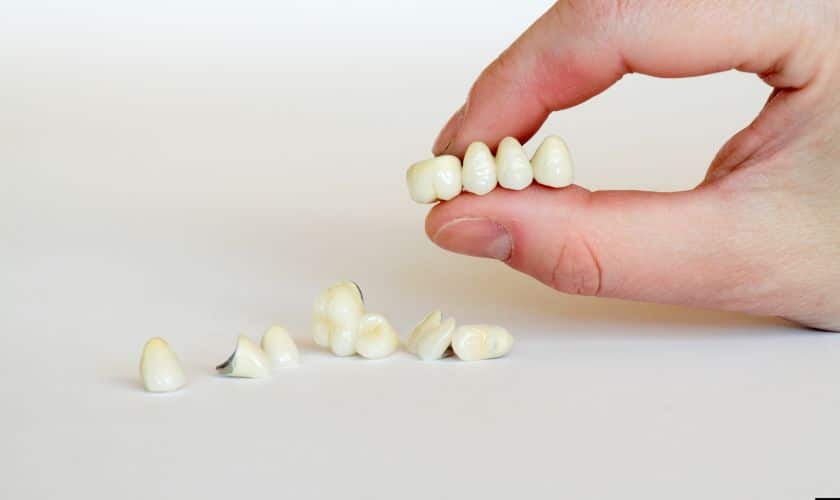
A dental crown, also known as a cap, is a tooth-shaped restoration that fits over a damaged or weakened tooth, covering it entirely above the gumline. Dental crowns are custom-made to match the size, shape, and color of the patient’s natural teeth. They provide strength, protection, and aesthetic improvement to the treated tooth, restoring its function and appearance.
Comparing Root Canal Therapy and Dental Crowns
While root canal therapy and dental crowns are both used to restore damaged teeth, they serve different purposes and are often used in conjunction with each other. Here’s a comparison of these two treatment options:
1. Purpose:
- Root Canal Therapy: Root canals are performed to treat infection or inflammation within the tooth’s pulp, preserving the natural tooth structure and preventing the need for extraction.
- Dental Crowns: Dental crowns are used to restore and strengthen a tooth that has been weakened or damaged by decay, trauma, or previous dental procedures. They provide protection and support for the underlying tooth structure.
2. Procedure:
- Root Canal Therapy: The root canal procedure involves removing infected or damaged tissue from the tooth’s interior, disinfecting the root canal system, and sealing it to prevent further infection.
- Dental Crowns: Dental crown placement typically requires two dental visits. During the first visit, the tooth is prepared by removing a small amount of enamel to make room for the crown. Impressions are then taken, and a temporary crown is placed. On the second visit, the permanent crown is cemented into place.
3. Benefits:
- Root Canal Therapy: Root canals save natural teeth from extraction, alleviate pain and discomfort associated with infection, and restore oral health and function.
- Dental Crowns: Dental crowns provide strength, protection, and aesthetic improvement to damaged teeth, enhancing their appearance and durability.
4. Longevity:
- Root Canal Therapy: With proper oral hygiene and regular dental care, a tooth treated with a root canal can last a lifetime.
- Dental Crowns: The lifespan of a dental crown depends on various factors, including oral hygiene practices, biting forces, and the materials used. On average, dental crowns can last between 5 and 15 years or longer with proper care.
Conclusion
Both root canal therapy and dental crowns are valuable treatment options for restoring damaged or infected teeth. While root canal therapy addresses issues within the tooth’s interior, dental crowns provide external protection and support. In many cases, these two procedures are used together to effectively save and strengthen a compromised tooth. If you’re unsure which option is best for your dental needs, consult with your dentist or endodontist to discuss your treatment options and develop a personalized plan for restoring your oral health and smile.
