
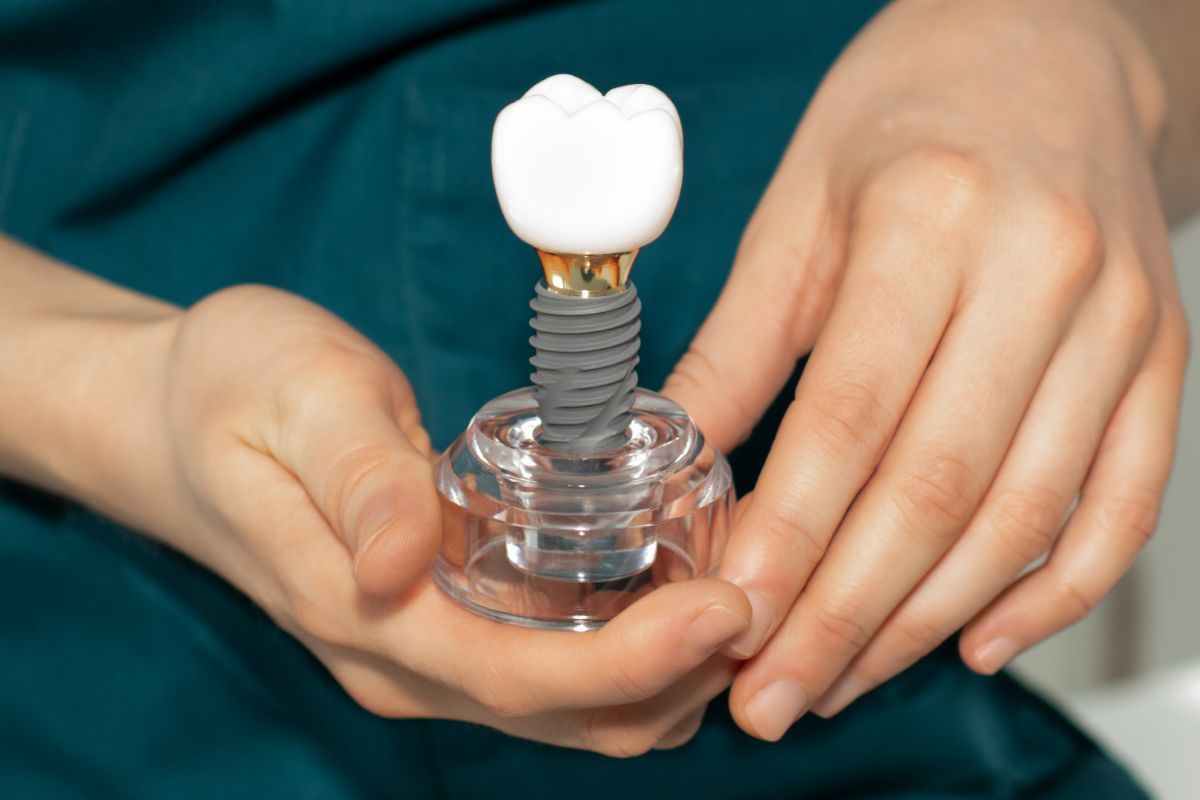
Dental implants are widely celebrated as the gold standard for permanent tooth replacement. Boasting success rates between 95% and 98%, they offer unmatched stability, natural aesthetics, and long-term durability. However, while modern implantology is exceptionally reliable, no surgical or medical intervention is completely immune to complications. When a dental implant encounters issues, understanding the underlying reasons and recognizing early red flags can make the difference between saving the restoration and experiencing permanent failure.
At Ironwood Dental Care, our highly proficient team, including Dr. Brent Stanley, Dr. Dominic Tam, and Dr. Jade Gottschalk, is dedicated to providing precise, compassionate restorative solutions using state-of-the-art diagnostic imaging and surgical protocols. Whether you are considering replacing missing teeth or already suspect issues with an existing restoration, our experienced practitioners ensure every patient receives customized, high-quality care designed to maintain lifelong oral health.
Early vs. Late Dental Implant Failure
To understand why dental implants fail, clinicians categorize complications into two distinct timeframes: early failure and late failure.
- Early Failure: Occurs within the first few weeks or months following surgical placement, prior to or during the healing process. This typically stems from inadequate bone integration, surgical trauma, infection, or lack of primary stability.
- Late Failure: Takes place months or even years after the implant has successfully integrated and has been fitted with a functional prosthetic crown or bridge. Late failure is primarily driven by progressive gum disease around the post, excessive biomechanical force, or long-term systemic health shifts.
Choosing a skilled provider for a dental implant in Queen Creek consultation allows patients to receive comprehensive pre-surgical evaluations that significantly reduce risks in both early and late phases.
The Primary Causes of Dental Implant Failure
Peri-Implantitis (Bacterial Infection)
Peri-Implantitis is the single leading cause of late implant failure. Similar to advanced periodontitis (gum disease) around natural teeth, peri-implantitis is an inflammatory condition triggered by bacterial plaque accumulating at the gumline.
When plaque remains around the implant abutment, bacteria invade the surrounding soft tissues, initiating inflammation (peri-implant mucositis). If left untreated, the condition advances into peri-implantitis, destroying the supporting jawbone structure. As bone density degrades around the titanium post, the implant loses its structural foundation and becomes unstable.
Failed Osseointegration
Osseointegration is the biological process where living jawbone tissue fuses directly with the biocompatible titanium post, creating a solid root foundation. If this fusion fails, the implant cannot support bite forces.
Common triggers for failed osseointegration include:
- Insufficient Bone Density: If the jawbone lacks adequate volume or height to anchor the post, integration is compromised.
- Premature Loading: Subjecting the implant post to heavy chewing forces before it has fully fused with the surrounding bone.
- Impaired Healing Conditions: Micro-movements during the initial months that disrupt fragile cellular bonding.
Chronic Medical Conditions and Lifestyle Factors
Systemic health directly impacts bone healing and immune defense:
- Uncontrolled Diabetes: Elevated blood sugar levels impede blood flow and impair cellular repair, slowing healing and raising infection risks.
- Tobacco Use and Smoking: Nicotine constricts blood vessels in the oral mucosa, drastically reducing oxygen and essential nutrient delivery to healing bone. Smokers face significantly higher rates of early implant failure compared to non-smokers.
- Autoimmune Disorders & Osteoporosis: Conditions that affect tissue regeneration or bone mineral density can prevent robust anchoring of the post.
- Specific Medications: Certain bone-density drugs (such as oral or intravenous bisphosphonates) and immunosuppressive therapies can interfere with bone turnover and post-surgical healing.
Excessive Biomechanical Force (Bruxism)
Uncontrolled teeth grinding or clenching (bruxism) places extreme, repeated pressure on dental restorations. Unlike natural teeth, which are suspended by a flexible periodontal ligament that absorbs heavy forces, dental implants fuse directly into the bone. Persistent grinding can lead to micro-fractures in the surrounding bone tissue, loosening of the internal retaining screw, or structural failure of the prosthetic crown.
Medical History and Radiation Therapy
Patients who have undergone radiation therapy to the head or neck for cancer treatment may suffer from compromised vascularization in the jawbone (osteoradionecrosis risk). Reduced vascular flow severely impairs the body’s natural ability to integrate titanium implants.
Surgical Inexperience and Suboptimal Placement
Precise anatomical mapping is vital. Placing an implant too close to adjacent tooth roots, inside nerve pathways, or into areas with poor bone architecture compromises survival rates. Partnering with experienced professionals who utilize advanced 3D CBCT digital imaging ensures accurate surgical execution and long-term durability.
Warning Signs of a Failing Dental Implant
Early detection is essential for saving a compromised restoration. Contact your dentist immediately if you observe any of the following symptoms:
- Mobility or Movement: A healthy implant feels completely stationary, just like a natural tooth. If you notice any micro-movement, shifting, or looseness when touching or biting down, the underlying support is compromised.
- Persistent Pain or Discomfort: Minor soreness is expected immediately after surgery. However, sharp pain, throbbing, or continuous discomfort months after placement signals underlying infection or failure.
- Swollen, Red, or Bleeding Gums: Healthy gum tissue surrounding an implant should appear firm and pink. Persistent redness, swelling, or bleeding during brushing suggests peri-implant inflammation.
- Receding Gumline: If the gum tissue around the post pulls back, exposing the metallic abutment or implant threads, it indicates localized tissue breakdown and bone loss.
- Pus or Secretions: Suppuration (pus drainage) from around the gumline is an undeniable sign of active bacterial infection that demands urgent intervention.
- Difficulty Chewing or Biting: Pain, awkward pressure, or sudden instability while eating indicates structural distress within the bone-implant interface.
How to Prevent Dental Implant Failure
Protecting your investment requires diligent oral hygiene and routine maintenance:
- Maintain Impeccable Oral Hygiene: Brush twice daily with a soft-bristled toothbrush and clean around implant posts using low-abrasive toothpaste, interdental brushes, or specialized water flossers.
- Commit to Regular Dental Checkups: Schedule routine preventive cleanings and clinical exams every six months. Digital diagnostic X-rays allow your clinician to monitor subterranean bone levels around the post long before physical symptoms appear.
- Wear a Custom Nightguard: If you grind or clench your teeth during sleep, a custom-fitted nightguard cushions bite force and shields both natural teeth and implant crowns from mechanical stress.
- Avoid Tobacco Products: Quitting smoking or vaping dramatically improves tissue vascularity, lowers infection rates, and supports long-term bone preservation.
- Protect Your Teeth: Avoid chewing on hard objects such as ice, hard candies, or pen caps, and never use your teeth as tools to open packaging.
If you have questions regarding your current restorations or wish to schedule a consultation for a dental implant in Queen Creek evaluation, contact our friendly team at Ironwood Dental Care today.
Frequently Asked Questions
What is the primary cause of late dental implant failure?
The main cause of late failure is peri-implantitis, an inflammatory bacterial infection affecting the gums and jawbone surrounding the post. Untreated plaque accumulation leads to progressive bone loss and eventual implant loss.
Can a failing dental implant be saved if caught early?
Yes, early intervention can save a failing implant. Deep antimicrobial cleanses, localized antibiotic treatments, peri-implantitis therapy, and surgical bone grafting can halt bone loss and restore stability if treated promptly.
How do I know if my dental implant is infected?
Key symptoms of infection include red or swollen gums around the post, persistent pain, bleeding when brushing, pus release, foul taste, receding gum tissue, or noticeable looseness of the prosthetic crown.
Does smoking increase the risk of dental implant failure?
Yes, smoking significantly increases failure rates. Nicotine restricts mucosal blood supply, impairs immune response, hampers bone integration during initial healing, and escalates the long-term risk of developing peri-implantitis infections.
Is it normal for a dental implant to feel loose?
No, a healthy dental implant should never feel loose. If you notice movement, it may indicate a loosened prosthetic screw, a damaged crown, or severe underlying bone loss requiring immediate professional evaluation.
How long after placement can a dental implant fail?
Implant failure can occur early (within the first 3 to 6 months due to poor healing or non-integration) or late (years down the road due to infection, heavy grinding, or trauma).
What happens if an implant fails completely and must be removed?
If an implant fails completely, it is surgically removed, and the area is cleaned. Following a healing period, often combined with bone grafting, a new implant can frequently be placed successfully.
Restoring Your Smile with Confidence
While dental implant failure is relatively uncommon, being proactive about your oral health is the single best way to protect your restoration. Recognizing early warning signs, such as localized swelling, discomfort, or minor mobility, gives your dental team the opportunity to intervene promptly and preserve your investment. With proper oral hygiene, routine professional cleanings, and regular monitoring, your dental implants can successfully last a lifetime.
At Ironwood Dental Care, Dr. Brent Stanley, Dr. Dominic Tam, and Dr. Jade Gottschalk are committed to guiding you through every step of your implant journey, from initial candidacy evaluations to long-term preventive care.
If you are experiencing concerning symptoms with an existing restoration or are interested in scheduling a dental implant consultation, contact Ironwood Dental Care today.
